The tradition & historical record
6 min read · 2 sourcesAnansi or Ananse ( ə-NAHN-see; literally translates to spider) is a character in Akan religion and folklore associated with stories, wisdom, knowledge, wit, mischievousness, cunning, and trickery, most commonly depicted as a spider. Anansi is a character who reflects the culture that he originates from. The Akan people are a close-knit people from present-day southern Ghana who rely on social order, which translates through the stories that come out of their culture. In many ways, Anansi is a paradoxical character whose actions defy this social order, but in incorporating rebellion and doubt into faith, his folkloric presence strengthens it. Taking the role of a trickster, he is also one of the most important characters of West African, African-American and Caribbean folklore. These spider tales were spread to the Americas via the Atlantic slave trade. Anansi is best known for his ability to outsmart and triumph over more powerful opponents through his use of cunning, creativity and wit. Despite taking on a trickster role, Anansi often takes centre stage in stories and is commonly portrayed as both the protagonist and antagonist. 1
Origin
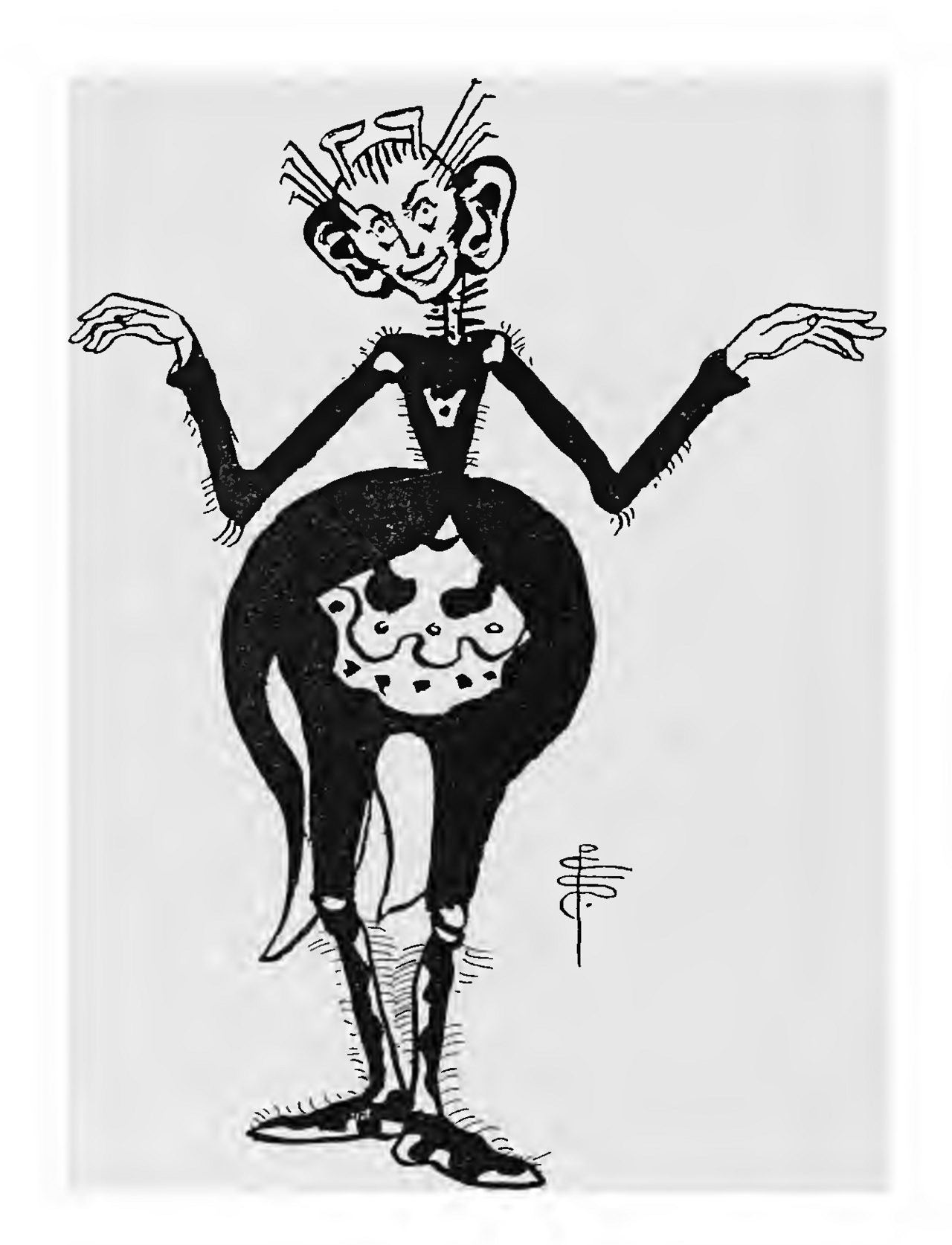
Spider tales are found extensively throughout West Africa, but the Anansi tales from Ghana are seen to be the origin of these stories and are among the best-known, as Anansi's name comes from the word in the Akan language for "spider". They later spread to the West Indies, Suriname, Sierra Leone (where they were introduced by Jamaican Maroons) and the Netherlands Antilles; also Curaçao, Aruba, and Bonaire. Anansi is depicted in many different ways and with different names, from "Ananse", "Kwaku Ananse", and "Anancy", to his New World iterations, such as "Ba Anansi", "Kompa Nanzi" and/or "Nanzi", "Nancy", "Aunt Nancy", and "Sis' Nancy", even though he is always depicted as a male in his stories. While often depicted as an animal, Anansi has many representations, which include an anthropomorphic spider with a human face, or conversely, a human with spider-like features, such as eight legs. Anansi also has a family in several folktales involving him, consisting of his long-suffering wife Okonore Yaa – known in other regions as Aso, Crooky, or Shi Maria; Ntikuma, his firstborn son; Tikelenkelen, his big-headed son; Nankonhwea, his son with a spindly neck and spindly legs; finally, Afudohwedohwe, his pot-bellied son. Anansi also has a beautiful daughter named Anansewa in other tales, like those introduced in the work of Efua Sutherland: in Efua's tale, he embarks on a mission to ensure that Anansewa can have an appropriate suitor. It is said that Odomankoma (¿) is also known as Ananse Kokuroko (meaning Great Spider), who might be Ananse. But this could actually be chalked up to the two being relatives. 1
Oral Tradition
Anansi stories were part of an exclusively oral tradition, and Anansi himself was seen as synonymous with skill and wisdom in speech. “The wisdom of the spider is greater than that of all the world together”. Stories of Anansi became such a prominent and familiar part of Ashanti oral culture that they eventually encompassed many kinds of fables, evidenced by the work of R.S. Rattray, who recorded many of these tales in both the English and Twi languages, as well as the work of scholar Peggy Appiah: "So well known is he that he has given his name to the whole rich tradition of tales on which so many Ghanaian children are brought up – anansesem – or spider tales." In similar fashion, oral tradition is what introduced Anansi tales to the rest of the world, especially the Caribbean, via the people that were enslaved during the Atlantic slave trade. As a result, the importance of Anansi socially did not diminish when slaves were brought to the New World. 1
Resistance
Anansi was often celebrated as a symbol of slave resistance and survival, because Anansi is able to turn the tables on his powerful oppressors by using his cunning and trickery, a model of behaviour used by slaves to gain the upper hand within the confines of the plantation power structure. Anansi is also believed to have played a multifunctional role in the slaves' lives; as well as inspiring strategies of resistance, the tales enabled enslaved Africans to establish a sense of continuity with their African past and offered them the means to transform and assert their identity within the boundaries of captivity. As historian Lawrence W. Levine argues in Black Culture and Consciousness, enslaved Africans in the New World devoted "the structure and message of their tales to the compulsions and needs of their present situation" (1977, 90). 1
Teaching Narratives
The Jamaican versions of these stories are some of the best-preserved because Jamaica had the largest concentration of enslaved Ashanti in the Americas. Akin to their Ashanti origins, each of these stories carries its own proverb at the end. At the end of the story "Anansi and Brah Dead", there is a proverb that suggests that even in times of slavery, Anansi was referred to by his Akan original name: "Kwaku Anansi" or simply as "Kwaku" interchangeably with Anansi. The proverb is: "If yuh cyaan ketch Kwaku, yuh ketch him shut", which refers to when Brah Dead (brother death or drybones), a personification of Death, was chasing Anansi to kill him; its meaning: The target of revenge and destruction, even killing, will be anyone very close to the intended, such as loved ones and family members. However, like Anansi's penchant for ingenuity, Anansi's quintessential presence in the Diaspora saw the trickster figure reinvented through a multi-ethnic exchange that transcended its Akan-Ashanti origins, typified in the diversity of names attributed to these Anansi stories, from the "Anansi-tori" to the "Kuenta di Nanzi". Even the character "Ti Bouki", the buffoon constantly harassed by "Ti Malice" or "Uncle Mischief", a Haitian trickster associated with Anansi, references this exchange: "Bouki" itself is a word descending from the Wolof language that also references a particular folk animal (the hyena) indigenous to them. The same applies to Anansi's role in the lives of Africans beyond the era of slavery; New World Anansi tales entertain just as much as they instruct, highlight his avarice and other flaws alongside his cleverness, and feature the mundane just as much as they do the subversive. 1
Popular Anansi stories
Among many stories attached to Anansi and collected in literature, one explains how he became known as the owner of all stories in the world. It is so popular that it has been studied and republished alongside other stories many times, including as children's books, like the Caldecott Medal-winning A Story a Story by Gail E. Haley, which follows Akan oral tradition by beginning the tale with: "We do not really mean, we do not really mean that what we are about to say is true. A story, a story; let it come, let it go". Haley's story later continues it by concluding: "This is my story that I have related. 1
The text above is adapted from the Wikipedia article “Anansi”, available under the Creative Commons Attribution-ShareAlike 4.0 licence. 1
Ananse is Akan folktale character, according to the structured record cited below. This entry was generated automatically from that record and has not yet been reviewed by a person familiar with the tradition. 2
The source record links this tradition to 19 external registers, which can be verified through the citation. 2