The tradition & historical record
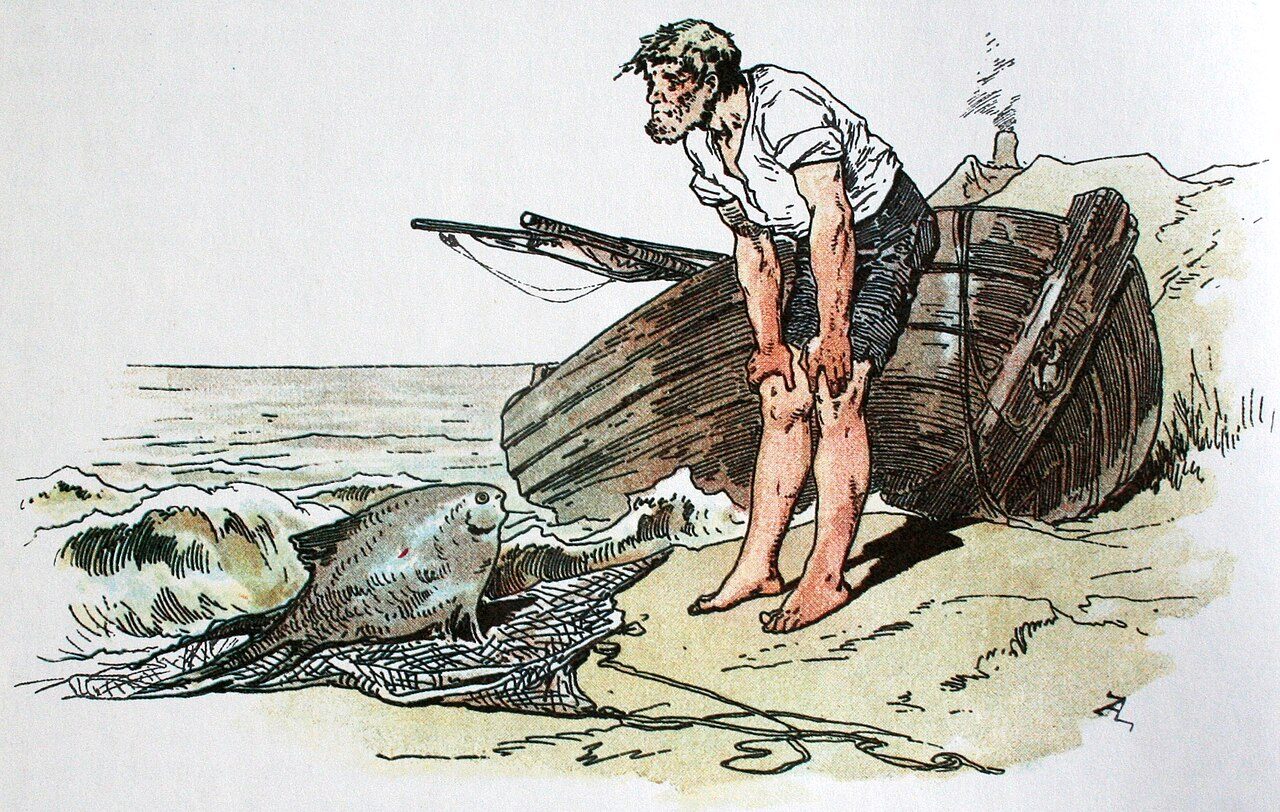
1 min read · 2 sourcesAn anti-fairy tale, also called anti-tale, is a fairy tale which, unlike an ordinary one, has a tragic, rather than a happy ending, with the antagonists winning and the protagonists losing at the end of the story. Whereas fairy tales paint a magical, utopian world, anti-fairy tales paint a dark world of nastiness and cruelty. Such stories incorporate horror, black comedy, mean-spirited practical jokes on innocent characters, sudden and often cruel plot twists, and biting satire. The term (German: Antimärchen) was introduced by André Jolles in his Einfache Formen (1930). Examples of anti-fairy tales include "The Fisherman and His Wife", and "The Swineherd". A recent example is Fabien Vehlmann's graphic novel Beautiful Darkness. The term is also used to refer to remakes of traditional "happy" fairy tales into "unhappy" ones. 1
The text above is adapted from the Wikipedia article “Anti-fairy tale”, available under the Creative Commons Attribution-ShareAlike 4.0 licence. 1
anti-fairy tale is fairy tale which has a tragic ending, rather than a happy one, according to the structured record cited below. This entry was generated automatically from that record and has not yet been reviewed by a person familiar with the tradition. 2
The source record links this tradition to 1 external register, which can be verified through the citation. 2