The tradition & historical record
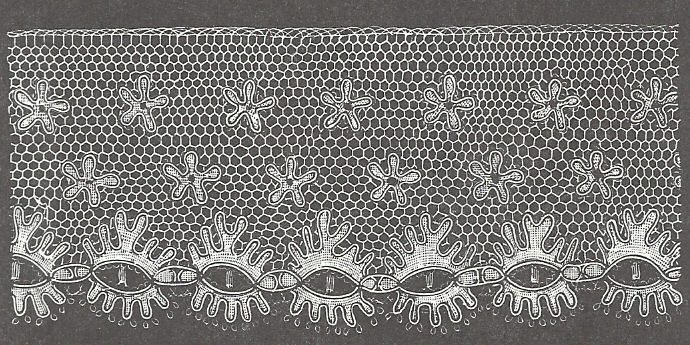
1 min read · 2 sourcesArras lace refers to a form of pure white bobbin lace that was made at Arras, France, from the 17th to 19th centuries. It is similar to, but stronger than Lille lace. Arras also produced gold lace and a lightweight lace called mignonette. Orris is another term for gold or silver bobbin lace, derived from the word Arras. The lace of Arras reached its peak during 1804 to 1812 and then declined. In 1851, there were 8,000 lace-makers in a radius of eight miles round the city. By 1881, only one house was making a speciality of the old patterns. 1
The text above is adapted from the Wikipedia article “Arras lace”, available under the Creative Commons Attribution-ShareAlike 4.0 licence. 1
Arras lace is type of bobbin lace, according to the structured record cited below. This entry was generated automatically from that record and has not yet been reviewed by a person familiar with the tradition. 2
The source record links this tradition to 2 external registers, which can be verified through the citation. 2