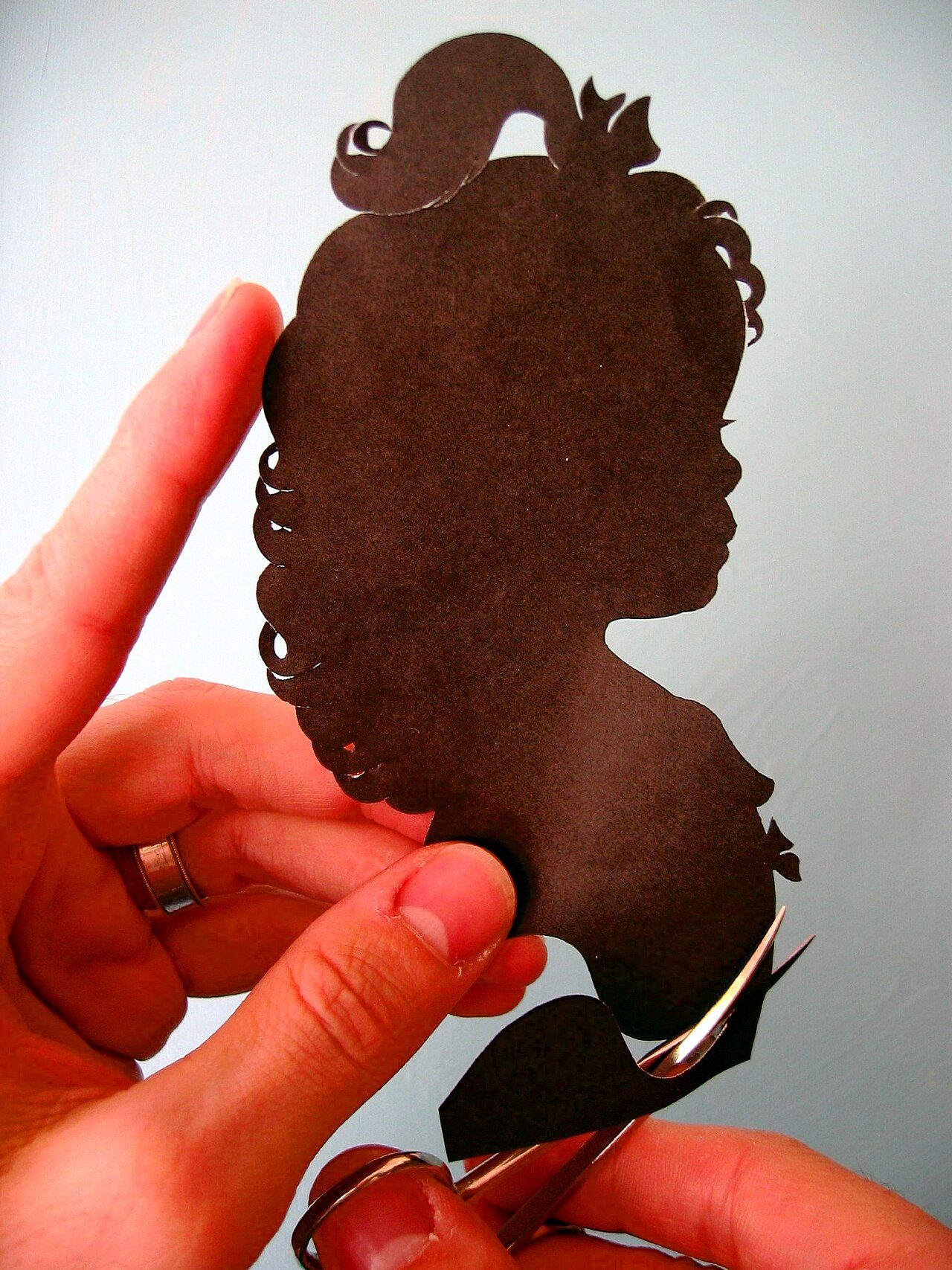
The tradition & historical record
4 min read · 2 sourcesPapercutting or paper cutting is the art of paper designs that has evolved all over the world to adapt to different cultural styles. One traditional distinction most styles share is that the designs are cut from a single sheet of paper as opposed to multiple adjoining sheets as in collage. 1
History
Paper-cut art appeared during the Jin dynasty in 4th century AD, after the Chinese official Cai Lun invented paper in 105 AD. The oldest surviving paper cutout is a symmetrical circle from the 6th-century Six Dynasties period, found in Xinjiang, China. Papercutting continued to be practiced during the Song and Tang dynasties as a popular form of decorative art. By the eighth or ninth century papercutting appeared in West Asia, in Europe it appeared after the 13th century – even as late as the 16th century (with Swiss and German scherenschnitte; see also Silhouette) – and it appeared in Turkey in the 16th century as well. 1
Chinese
Jianzhi (Chinese: 剪紙, pinyin: jiǎnzhǐ) is a traditional style of papercutting in China, and it originated from cutting patterns for rich Chinese embroideries and later developed into a folk art in itself. Jianzhi has been practised in China since at least the 6th century AD. Jianzhi has a number of distinct uses in Chinese culture, almost all of which are for health, prosperity or decorative purposes. Red is the most commonly used colour. Jianzhi cuttings often have a heavy emphasis on Chinese characters symbolizing the Chinese zodiac animals. It is included in the UNESCO Intangible Cultural Heritage Lists, which was created in 2009. The Chinese papercutting was recognized and listed because it has a history of more than 1500 years, and it represents cultural values of the people throughout China. Modern paper cutting has developed into a commercial industry. Papercutting remains popular in contemporary China, especially during special events like the Chinese New Year or weddings. 1
Japanese
Japanese paper cutting is known as kirikami (紙切り; lit. 'paper cutting'), with the resulting cut-paper image known as kirie (切り絵; lit. 'cut picture') or kirigami (切り紙; lit. 'cut paper'). It is said to have developed after 610 AD when tesuki washi paper, invented in China, was brought to Japan by Doncho, a Buddhist monk from Korea. The Japanese commercialised paper-making by hand, and by 800 AD their skills were renowned. The abundance of Japanese washi meant paper cutting and offshoots such as kirikami (performance papercutting in Edo Japan) developed at a very fast pace. The washi paper used most predominantly across the world today for paper cutting, bookbinding, tapes and multiple other uses is not tesuki washi but actually Japanese Sekishu washi, a paper developed around 800 AD in the Sekishu region (modern-day Iwami in Japan) and designated a UNESCO Intangible Cultural asset in 2009. Paper cutting continues today in Japan in contemporary forms such as framed art, installations and paper cut sculpture. 1
Filipino
Several Philippine crafts employ paper cutting. During Filipino Christmas, the parol (a traditional star-shaped lantern) is embellished with coloured paper cut into various forms such as floral designs on the faces, pom-pons and "tails" on the points of the star. There is also the art of pabalát (wrapper), where coloured paper is meticulously cut with small scissors and used to sheathe pastillas de leche (carabao milk candy) and other traditional sweets. Paper cutting is also involved in the creation of banderitas (bunting) that feature prominently in fiesta décor; these may be elaborate or plain-cut paper squares and triangles strung over streets. 1
Jewish
Papercutting has been a common Jewish art form since the Middle Ages, connected with various customs and ceremonies, and associated with holidays and family life. Paper cuts often decorated ketubot (marriage contracts), mizrahs, and for ornaments on festive occasions. A story tells of Rabbi Shem-Tov ben Yitzhak ben Ardutiel, finding that his ink had frozen, continued to write the manuscript by cutting the letters into the paper. By about the 17th century, papercutting had become a popular form for small religious artifacts such as mizrachs and Shavuot decorations. In the 20th century, the art of Jewish papercutting was revived in Israel. Today it is most commonly used for mizrachs and ketubot. 1
The text above is adapted from the Wikipedia article “Papercutting”, available under the Creative Commons Attribution-ShareAlike 4.0 licence. 1
art of paper cutting is craft where shapes are cut out of paper, according to the structured record cited below. This entry was generated automatically from that record and has not yet been reviewed by a person familiar with the tradition. 2
The source record links this tradition to 12 external registers, which can be verified through the citation. 2