The tradition & historical record
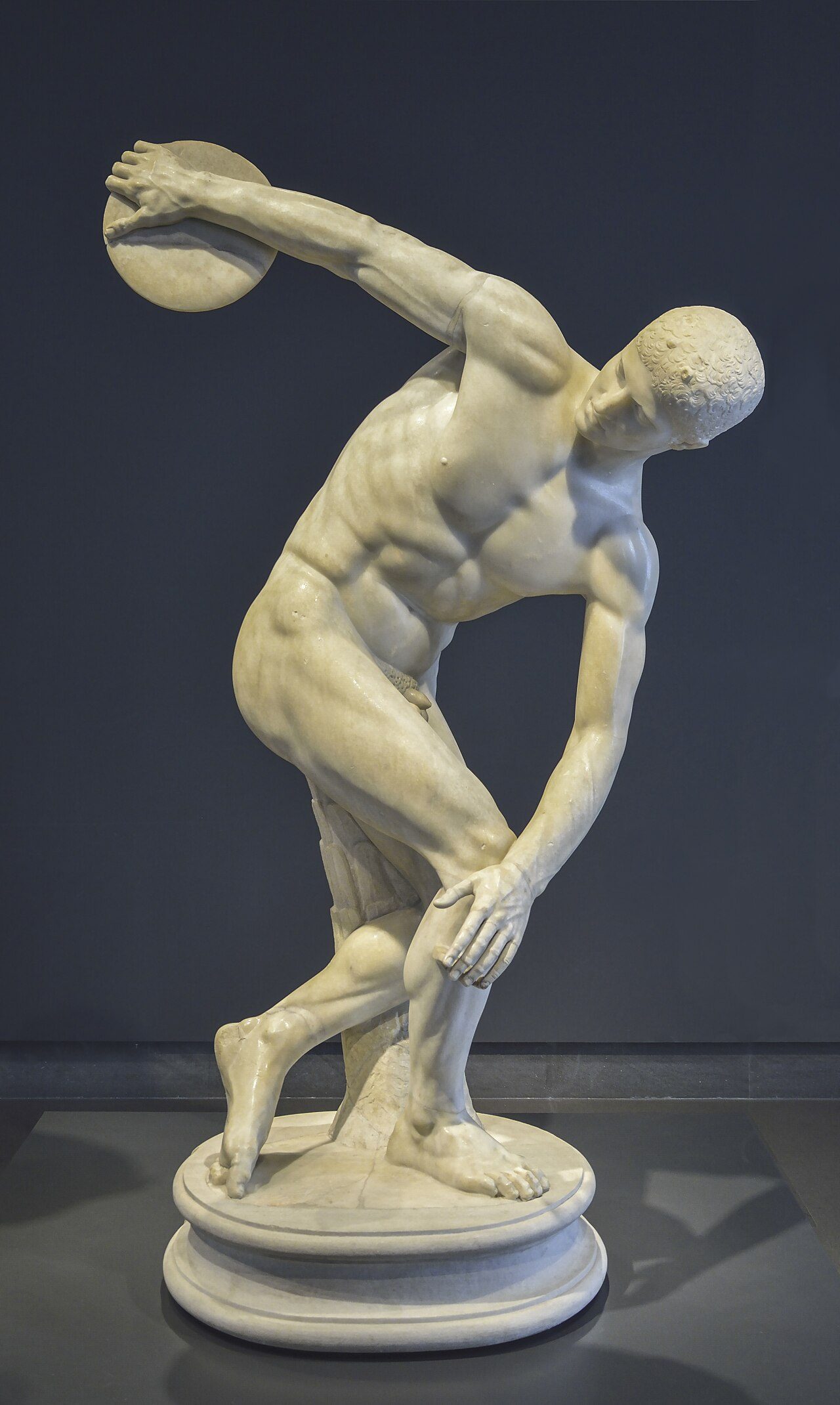
6 min read · 2 sourcesSculpture is the branch of the visual arts that operates in three dimensions. Sculpture is the three-dimensional artwork which is physically presented in the dimensions of height, width and depth. It is one of the plastic arts. Durable sculptural processes originally used carving (the removal of material) and modelling (the addition of material, as clay), in stone, metal, ceramics, wood and other materials but, since Modernism, there has been almost complete freedom of materials and process. A wide variety of materials may be worked by removal such as carving, assembled by welding or modelling, or moulded or cast. Sculpture in stone survives far more frequently than sculpture made from perishable materials (such as wood) and often represents the majority of the surviving works (other than pottery) from ancient cultures, with sculpture from said perishable materials almost never surviving. In addition, most ancient sculpture was painted, of which most has either been lost or is unable to be seen with the naked eye. Sculpture has been central in religious devotion in many cultures, and until recent centuries, large sculptures, too expensive for private individuals to create, were usually an expression of religion or politics. 1
Types
A distinction exists between sculpture "in the round"—free-standing sculpture such as statues, not attached, except possibly at the base, to any other surface—and the various types of relief, which are at least partly attached to a background surface. Relief is often classified by the degree of projection from the wall into low or bas-relief, high relief, and sometimes an intermediate mid-relief. Sunk-relief is a technique restricted to ancient Egypt. Relief is the usual sculptural medium for large-figure groups and narrative subjects, which are difficult to accomplish in the round, and is the typical technique used both for architectural sculpture, which is attached to buildings, and for small-scale sculpture decorating other objects, as in much pottery, metalwork, and jewellery. Relief sculpture may also decorate steles—upright slabs, usually of stone, often also containing inscriptions. Another basic distinction is between subtractive carving techniques, which remove material from an existing block or lump—such as stone or wood—and modelling techniques that shape or build up the work from the material. Techniques such as casting, stamping, and moulding use an intermediate matrix containing the design to produce the work; many of these allow the production of several copies. The term "sculpture" is often used mainly to describe large works, which are sometimes called monumental sculpture, meaning either or both sculpture that is large or that is attached to a building. However, the term properly covers many types of small works in three dimensions using the same techniques, including coins and medals, and hardstone carvings, a term for small carvings in stone that can take detailed work. 1
Purposes and subjects
One of the most common purposes of sculpture is in some form of association with religion. Cult images are common in many cultures, though they are often not the colossal statues of deities which characterized ancient Greek art, like the Statue of Zeus at Olympia. The actual cult images in the innermost sanctuaries of Egyptian temples, of which none have survived, were evidently rather small, even in the largest temples. The same is often true in Hinduism, where the very simple and ancient form of the lingam is the most common. Buddhism brought the sculpture of religious figures to East Asia, where there seems to have been no earlier equivalent tradition, though again simple shapes like the bi and cong probably had religious significance. Small sculptures as personal possessions go back to the earliest prehistoric art, and the use of very large sculpture as public art, especially to impress the viewer with the power of a ruler, goes back at least to the Great Sphinx of some 4,500 years ago. In archaeology and art history the appearance, and sometimes disappearance, of large or monumental sculpture in a culture is regarded as of great significance, though tracing the emergence is often complicated by the presumed existence of sculpture in wood and other perishable materials of which no record remains; The totem pole is an example of a tradition of monumental sculpture in wood that would leave no traces for archaeology. The ability to summon the resources to create monumental sculpture, by transporting usually very heavy materials and arranging for the payment of what are usually regarded as full-time sculptors, is considered a mark of a relatively advanced culture in terms of social organization. 1
Materials and techniques
The materials used in sculpture are diverse, changing throughout history. The classic materials, with outstanding durability, are metal, especially bronze, stone and pottery, with wood, bone and antler as less durable but cheaper options. Precious materials such as gold, silver, jade, and ivory are often used for small luxury works, and sometimes in larger ones, as in chryselephantine statues. More common and less expensive materials were used for sculpture for wider consumption, including hardwoods (such as oak, box/boxwood, and lime/linden); terracotta and other ceramics, wax (a very common material for models for casting, and receiving the impressions of cylinder seals and engraved gems), and cast metals such as pewter and zinc (spelter). But a vast number of other materials have been used as part of sculptures, in ethnographic and ancient works as much as modern ones. Sculptures are often painted, but commonly lose their paint to time, or restorers. Many different painting techniques have been used in making sculpture, including tempera, oil painting, gilding, house paint, aerosol, enamel and sandblasting. Many sculptors seek new ways and materials to make art. One of Pablo Picasso's most famous sculptures included bicycle parts. Alexander Calder and other modernists made spectacular use of painted steel. Since the 1960s, acrylics and other plastics have been used as well. Andy Goldsworthy makes his unusually ephemeral sculptures from almost entirely natural materials in natural settings. Some sculpture, such as ice sculpture, sand sculpture, and gas sculpture, is deliberately short-lived. Recent sculptors have used stained glass, tools, machine parts, hardware and consumer packaging to fashion their works. 1
Stone
Stone sculpture is an ancient activity where pieces of rough natural stone are shaped by the controlled removal of stone. Owing to the permanence of the material, evidence can be found that even the earliest societies indulged in some form of stone work, though not all areas of the world have such abundance of good stone for carving as Egypt, Greece, India and most of Europe. Petroglyphs (also called rock engravings) are perhaps the earliest form: images created by removing part of a rock surface which remains in situ, by incising, pecking, carving, and abrading. 1
Metal
Br… 1
The text above is adapted from the Wikipedia article “Sculpture”, available under the Creative Commons Attribution-ShareAlike 4.0 licence. 1
art of sculpture is branch of the visual arts that operates in three dimensions, according to the structured record cited below. This entry was generated automatically from that record and has not yet been reviewed by a person familiar with the tradition. 2
The source record links this tradition to 72 external registers, which can be verified through the citation. 2