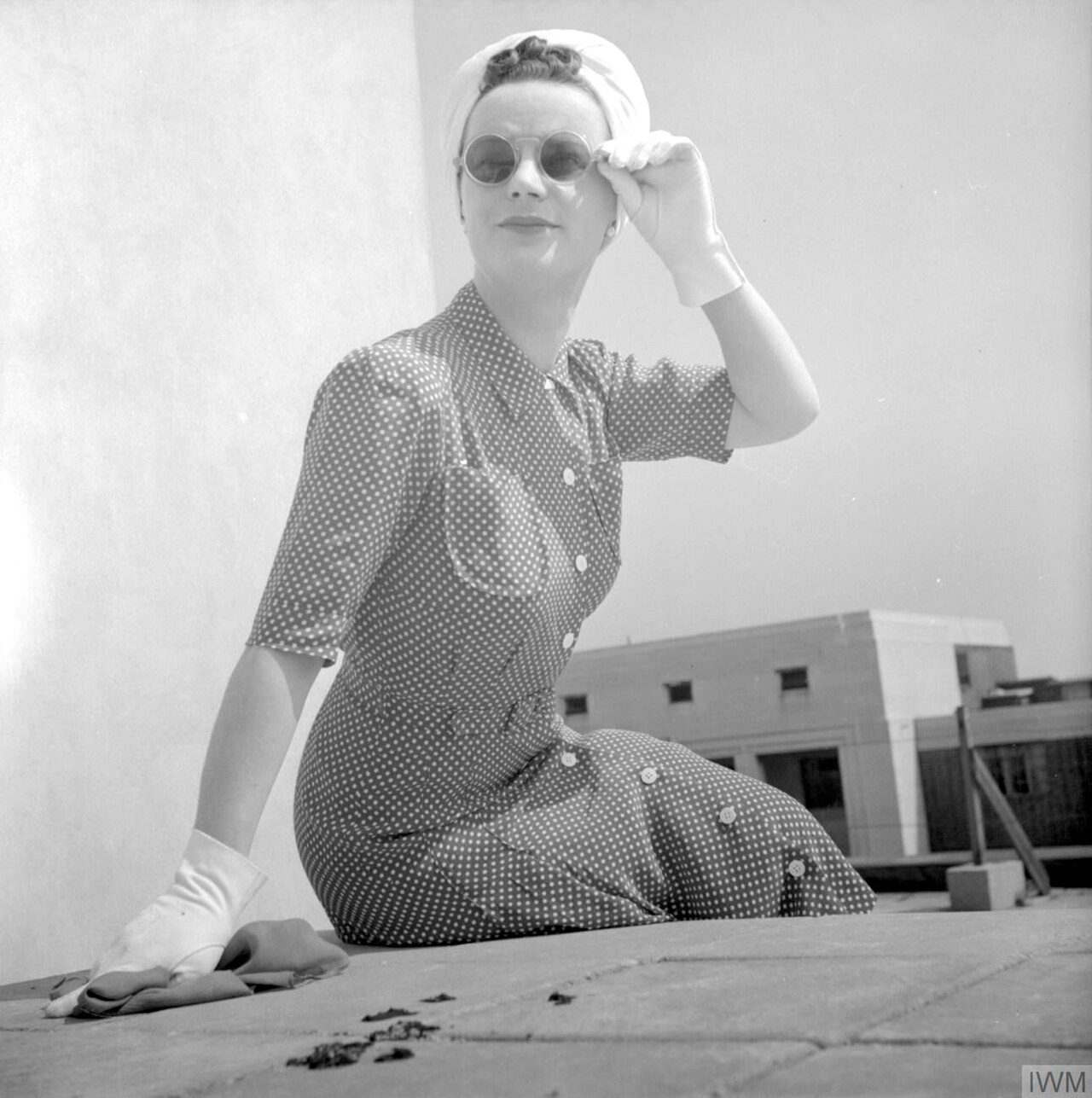
The tradition & historical record
2 min read · 2 sourcesArtificial silk or art silk is any synthetic fiber which resembles silk, but typically costs less to produce. Frequently, the term artificial silk is just a synonym for rayon. 1
The first successful artificial silks were developed in the 1890s of cellulose fiber and marketed as art silk or viscose, a trade name for a specific manufacturer. In the 1910s and 1920s, several manufacturers of viscose competed in Europe and the United States to produce what was frequently called artificial silk. In 1924, the name of the fiber was officially changed in the U.S. to Rayon, although the term viscose continued to be used in Europe. The material is commonly referred to in the industry as viscose rayon. In 1931, Henry Ford hired chemists Robert Boyer and Frank Calvert to produce artificial silk made with soybean fibers. They succeeded in making a textile fiber of spun soy protein fibers, hardened or tanned in a formaldehyde bath, which was given the name Azlon. It was usable for making suits, felt hats, and overcoats. Though pilot production of Azlon reached 5,000 pounds (2,300 kg) per day in 1940, it never reached the commercial market; DuPont's nylon became the most important artificial silk. Although not sold under the name art silk initially, nylon, the first synthetic fiber, was developed in the United States in the late 1930s and was used as a replacement for Japanese silk during World War II. 1
The text above is adapted from the Wikipedia article “Artificial silk”, available under the Creative Commons Attribution-ShareAlike 4.0 licence. 1
artificial silk is any synthetic fiber which resembles silk, according to the structured record cited below. This entry was generated automatically from that record and has not yet been reviewed by a person familiar with the tradition. 2
The source record links this tradition to 8 external registers, which can be verified through the citation. 2