The tradition & historical record
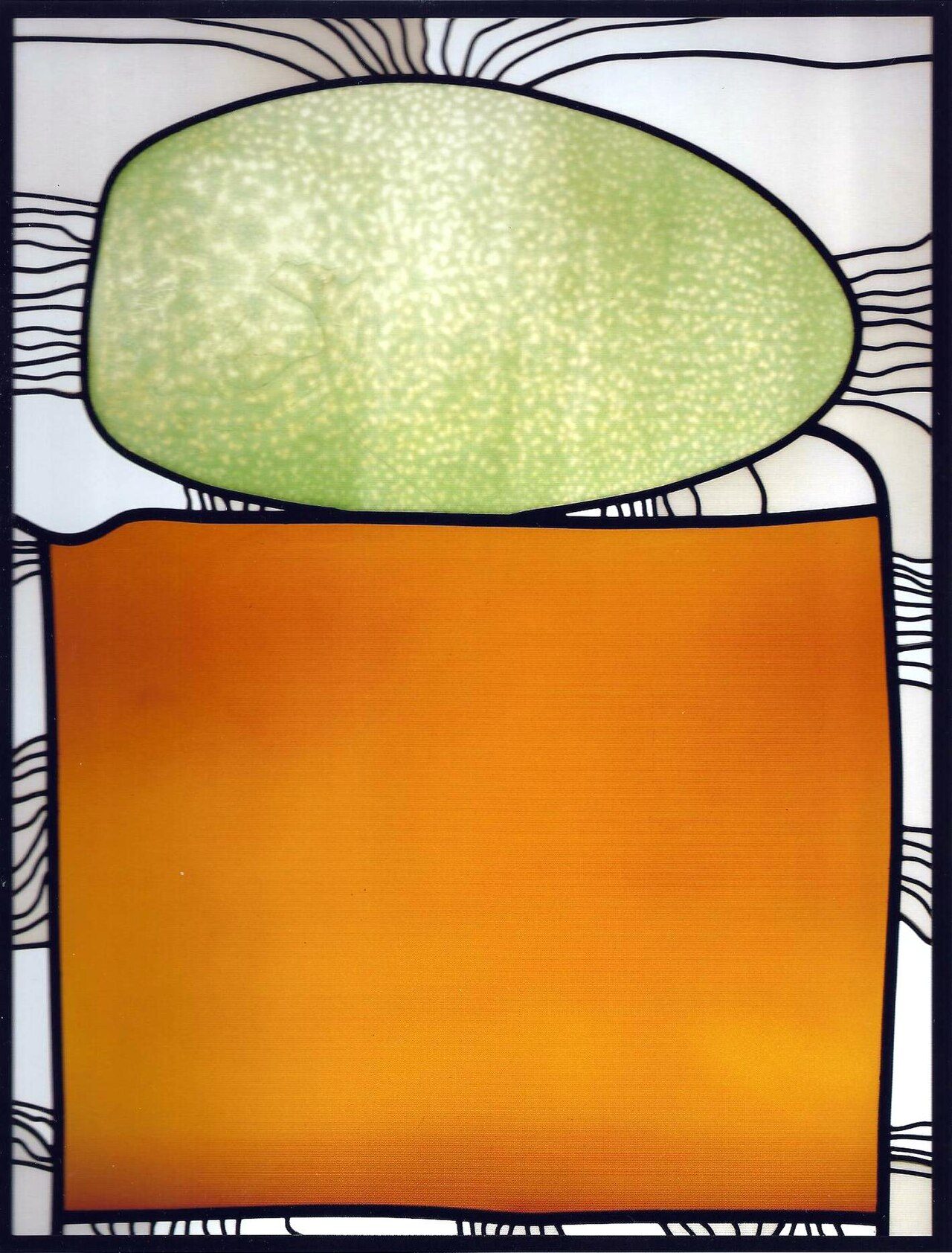
2 min read · 2 sourcesThe term "autonomous" as applied to stained glass refers to works which are designed independent of architecture. Autonomous works are not designed to glaze windows. The term "stained glass" commonly precedes "window" and is thus linked to architecture both linguistically and conceptually. The autonomous work is more like a painting than a stained glass window, and is a non-traditional use of the medium. One critic somewhat pejoratively calls non-architectural stained glass "uncommissioned panels." Another traditionalist claims: "Stained glass can never be really satisfactory when considered as a bibelot to be hung up in the window or when sold in galleries like paintings for room decoration." From the Renaissance (Uccello, Ghiberti, Ghirlandaio), through the 18th and 19th centuries (Sir Joshua Reynolds, Delacroix), into the 20th century (Rouault, Chagall), artists have made windows in the style of their paintings. These windows look like paintings but they are windows that respond, to a greater or lesser degree, to the form, purpose, and mood of a building. Over time there have been scattered examples of works painted on small sheets of glass, sometimes assembled with lead, which were not designed to fill window openings. In Germany during the second half of the 20th century, studios began fabricating small panels for display in galleries and museums that were either similar in style to, or details of larger windows. 1
The text above is adapted from the Wikipedia article “Autonomous stained glass”, available under the Creative Commons Attribution-ShareAlike 4.0 licence. 1
Autonomous Stained Glass is recorded in open cultural data. The structured record cited below does not describe the practice, and this entry has not yet been reviewed by a person familiar with the tradition. 2
The source record links this tradition to 1 external register, which can be verified through the citation. 2