The tradition & historical record
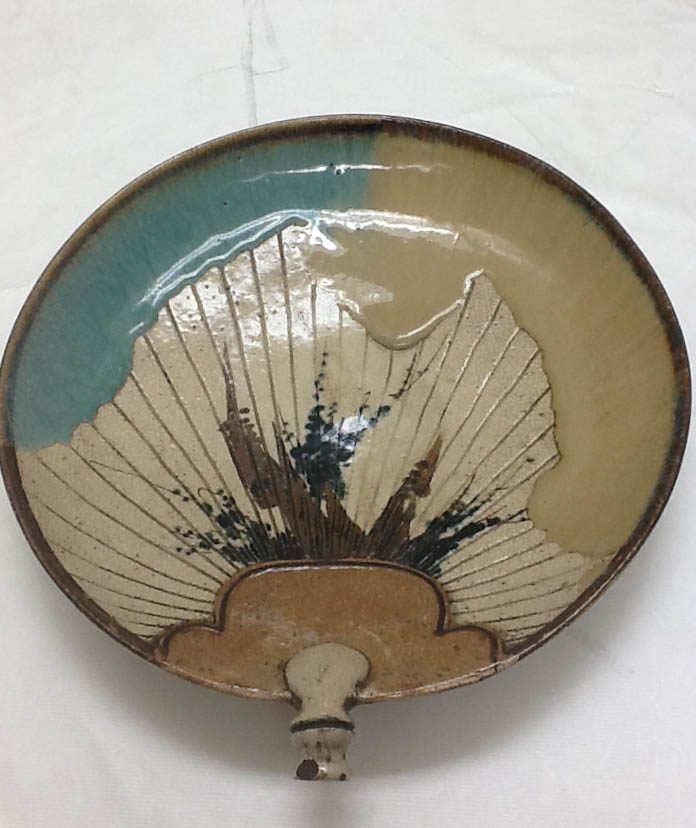
2 min read · 2 sourcesAwata ware (粟田焼, Awata-yaki) is a type of Japanese pottery that is a form of Kyō ware from Kyoto. It is related to other Kyō wares such as Mizoro ware and Kiyomizu ware, but denotes the kiln it originates from. The origin lies in the Awataguchi area of Kyoto. Awata kilns also produced Satsuma ware at one point. 1
History
Awata ware developed in the Awataguchi district on the eastern edge of central Kyoto, an area that became one of the earliest ceramic production zones associated with Kyō-yaki (Kyoto ware). Although pottery had long been produced in the Kyoto basin, kilns in the Awataguchi area gained prominence by the late 16th century, when potters began producing wares that would later be identified as Awata-yaki. A significant stage in the development of ceramics in the area occurred in the early Edo period. Historical accounts of Kyoto ware describe the establishment of climbing kilns (noborigama) in the early 17th century, which enabled higher firing temperatures and more consistent production. These technological developments supported the manufacture of tea wares and other stoneware vessels, and Awataguchi emerged as one of several important kiln districts in Kyoto alongside Kiyomizu and Gojōzaka. During the Edo period (1603–1868), demand associated with elite cultural practices—particularly the tea ceremony—contributed to the growth of Kyoto ceramics. Techniques and styles from other ceramic centers, including Seto and Karatsu, were introduced to Kyoto and adapted locally, contributing to the stylistic diversity of Awata ware. Workshops in the Awataguchi area produced vessels for both practical use and aesthetic appreciation, often reflecting the refined tastes of courtly and warrior-class patrons. By the 18th century, Awata ware was associated with finely decorated ceramics characteristic of Kyoto production. 1
The text above is adapted from the Wikipedia article “Awata ware”, available under the Creative Commons Attribution-ShareAlike 4.0 licence. 1
Awata ware is type of Japanese pottery that is a form of Kyō ware from Kyoto, according to the structured record cited below. This entry was generated automatically from that record and has not yet been reviewed by a person familiar with the tradition. 2
The source record links this tradition to 4 external registers, which can be verified through the citation. 2