The tradition & historical record
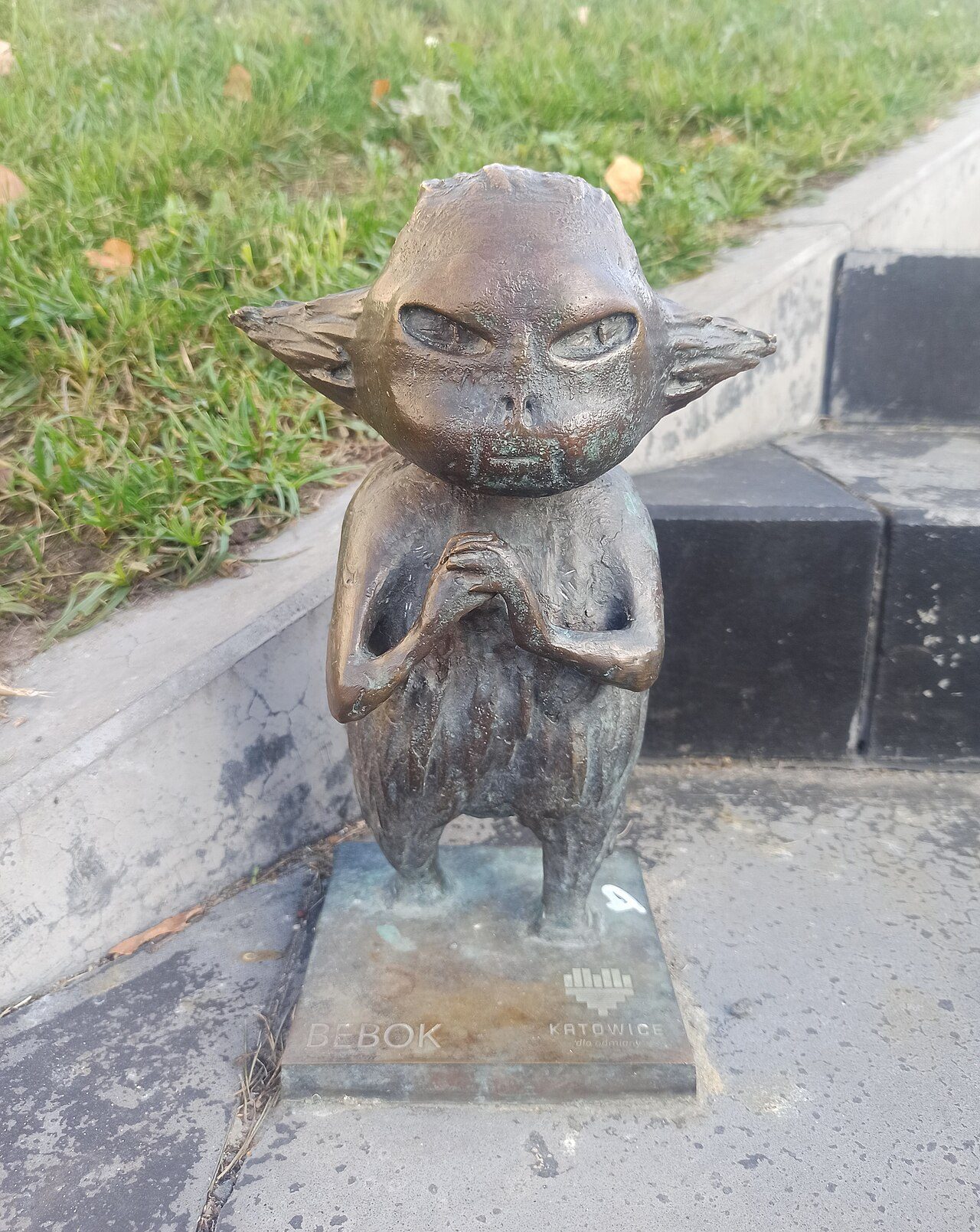
2 min read · 2 sourcesBabay or Babai (Russian: Бабай) is a night spirit (Bogeyman) in Slavic folklore. According to beliefs, he abducts children who do not sleep at night or behave badly. He is also called Babayka (Russian: Бабайка), Babayko (Ukrainian: Бабайко) or Bobo (Babok, Bebok) (Polish), although the term may also be applied to his female equivalent. 1
Role and characteristics
Babay is rarely described, so that children can imagine him in the form most terrible for them, but sometimes Babay is described as a pitch-black and crooked old man. He has some physical defects, such as muteness, armlessness, and/or lameness. He has a bag and a cane. It is believed that he lives in the forest, in a swamp or in a garden. At night, he wanders through the streets and puts into his bag those who meet him on the way. Walking near houses, Babay stands close to the windows and watches the children. If they are awake or not sleeping, he starts to make scary noises, such as rustling, gritting and knocking on the window. Also, Babay can sometimes hide under the child's bed, and he may take them if they're awake or get up. 1
Babay is often mentioned in lullabies, usually with instructions not to come for the child: 1
Etymology
The term babay, alongside its synonym, baba, is most likely of Turkic origin. It is translated as "grandfather", "old man" from the Tatar language. 1
In popular culture
Babay / Бабай (Babai) is a 2014 children's animated film created by Ukraine's Ukranimafilm. Ukraine's Ukranimafilm animated series was released in 2015. Zhikharka / Жихарка is a 2006 Russian animated short film. Babayka is a song by Russian deathcore band Slaughter to Prevail on their 2025 album GRIZZLY. 1
The text above is adapted from the Wikipedia article “Babay (Slavic folklore)”, available under the Creative Commons Attribution-ShareAlike 4.0 licence. 1
Babay is Slavic folklore character, according to the structured record cited below. This entry was generated automatically from that record and has not yet been reviewed by a person familiar with the tradition. 2
The source record links this tradition to 2 external registers, which can be verified through the citation. 2