The tradition & historical record
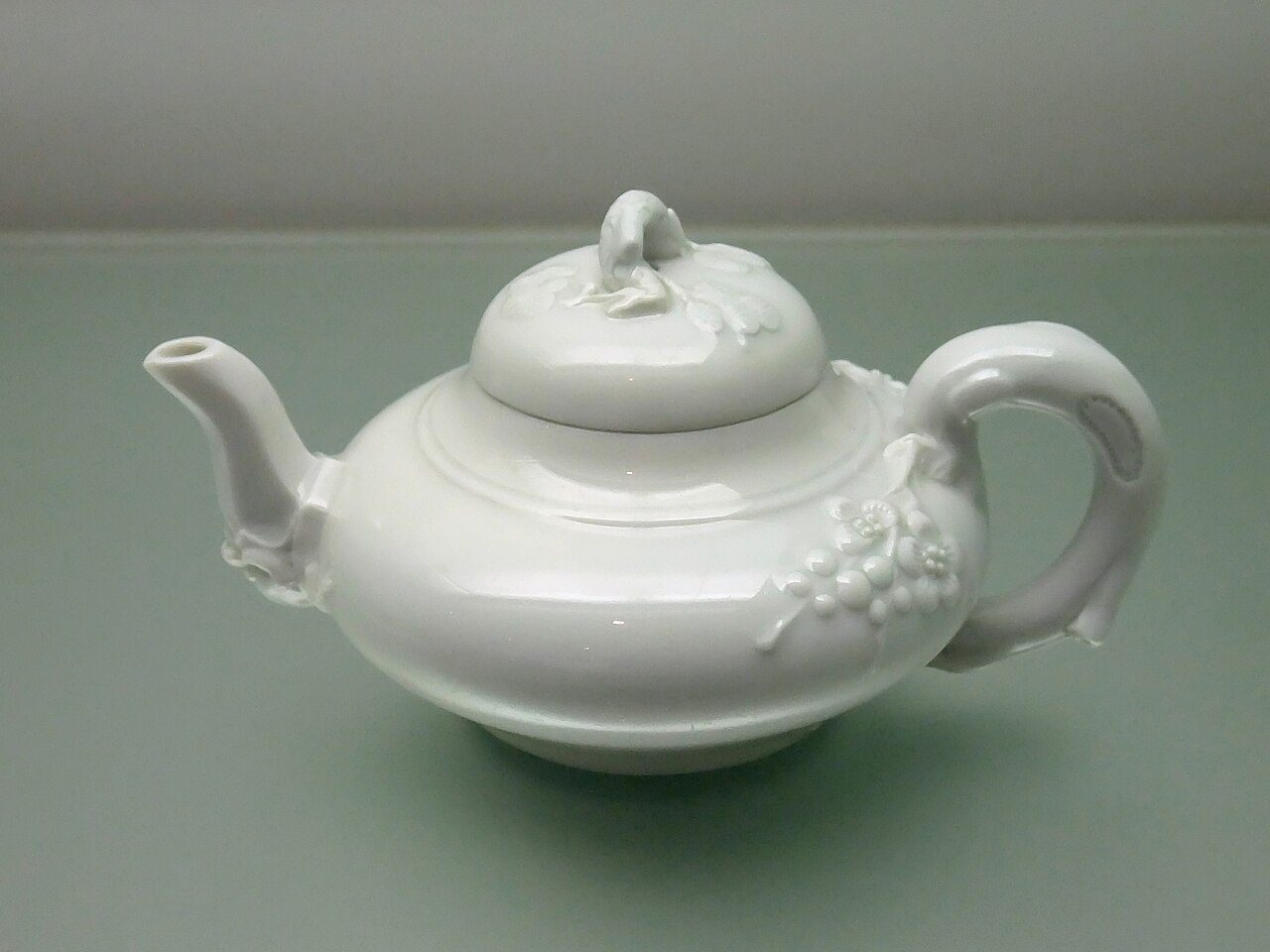
4 min read · 2 sourcesDehua porcelain (Chinese: 德化陶瓷; pinyin: Déhuà Táocí; Pe̍h-ōe-jī: Tek-hòe hûi), more traditionally known in the West as Blanc de Chine (French for "White from China"), is a type of white Chinese porcelain, made at Dehua in the Fujian province. It has been produced from the Ming dynasty (1368–1644) to the present day. Large quantities arrived in Europe as Chinese export porcelain in the early 18th century and it was copied at Meissen and elsewhere. It was also exported to Japan in large quantities. In 2021, the kilns of Dehua were inscribed on the UNESCO World Heritage List along with many other sites near Quanzhou for their importance for medieval maritime trade and the exchange of cultures and ideas around the world. 1
History
The area along the Fujian coast was traditionally one of the main ceramic exporting centers. Over one-hundred and eighty kiln sites have been identified extending in historical range from the Song period to present. The two principal kiln sites were those of Qudougong (屈斗宫) and Wanpinglun (碗坪仑). The Wanpinglun site is the older of the two and manufactured pressed wares and others. The kilns of Dehua also produced other ceramic wares, including some with under glaze blue decoration. From the Ming period porcelain objects were manufactured that achieved a fusion of glaze and body traditionally referred to as "ivory white" and "milk white". The special characteristic of Dehua porcelain is the very small amount of iron oxide in it, allowing it to be fired in an oxidising atmosphere to a warm white or pale ivory color. This color makes it instantly recognizable and quite different from the porcelain from the Imperial kilns of Jingdezhen, which contains more iron and has to be fired in reduction (i.e., an atmosphere with carbon monoxide) if it is not to appear an unpleasant straw color. The unfired porcelain body is not very plastic but vessel forms have been made from it. Donnelly lists the following types of product: figures, boxes, vases and jars, cups and bowls, fishes, lamps, cup-stands, censers and flowerpots, animals, brush holders, wine and teapots, Buddhist and Taoist figures, secular figures and puppets. There was a large output of figures, especially religious figures, e.g., Guanyin, Maitreya, Luohan and Ta-mo figures. Guanyin, the Goddess of Mercy, was particularly revered in Fujian and there exist innumerable figures of her. 1
In Japan
Many of the best examples of blanc de Chine can also be found in Japan where they are used in family altars (butsudan) and other funerary and religious uses. In Japan the white variety was termed hakuji, hakugorai or "Korean white", a term often found in tea ceremony circles. The British Museum in London has a large number of blanc de Chine pieces, having received the entire collection of P.J.Donnelly as a gift in 1980. Dehua white porcelain was traditionally known in Japan as hakugorai or "Korean White Ware". Although Korai was a term for an ancient Korean kingdom, the term also functioned as a ubiquitous term for various products from the Korean peninsula. The Japanese knew of the existence of the Fujian province kilns and their porcelain, now known as Dehua or Blanc de Chine ware. The Dehua kilns are located in Fujian province opposite the island of Taiwan. Coastal Fujian province was traditionally a trade center for the Chinese economy with its many ports and urban centers. Fujian white ware was meant for export to all of maritime Asia. However a large quantity of these ceramics was intended for a Japanese market, before drastic trade restrictions by the mid 17th century. Items were largely Buddhist images and ritual utensils utilized for family altar use. An association with funerals and the dead has perhaps led to a disinterest in this ware among present day Japanese, despite a strong interest in other aspects of Chinese ceramic culture and history. The very plain white incense tripods and associated objects for Japanese religious and ritual observance are also likely designed specifically for a Japanese market, as are the Buddhist Goddesses of Mercy with child figurines that closely resemble the Christian Madonna and Child. 1
The text above is adapted from the Wikipedia article “Dehua porcelain”, available under the Creative Commons Attribution-ShareAlike 4.0 licence. 1
Blanc de Chine is type of white Chinese porcelain, according to the structured record cited below. This entry was generated automatically from that record and has not yet been reviewed by a person familiar with the tradition. 2
The source record links this tradition to 10 external registers, which can be verified through the citation. 2