The tradition & historical record
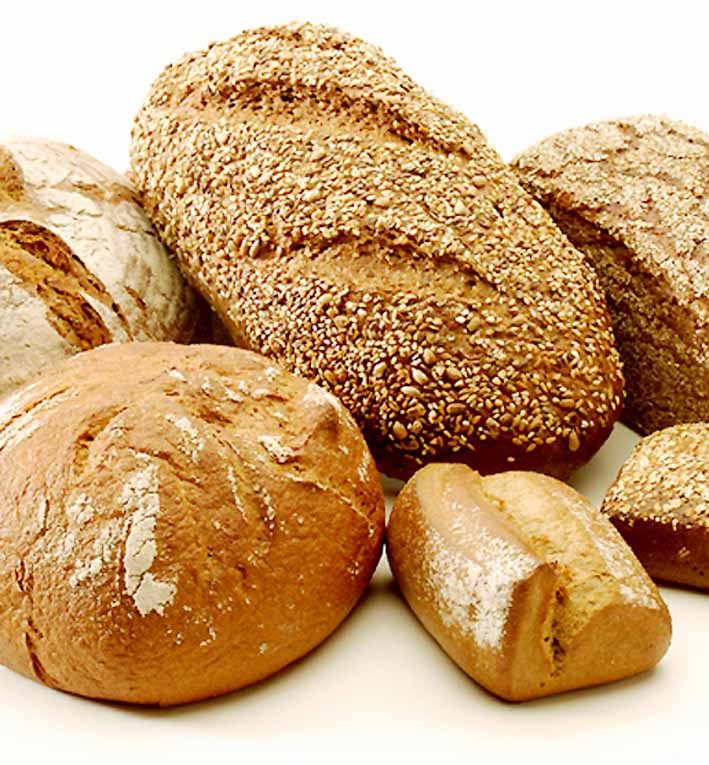
6 min read · 2 sourcesBread is a baked food product made from water, flour, and often yeast. It is a staple food across the world, particularly in Europe and the Middle East. Throughout recorded history and around the world, it has been an important part of many cultures' diets. It is one of the oldest human-made foods, having been of significance since the dawn of agriculture, and plays an essential role in both religious rituals and secular culture. Bread may be leavened by naturally occurring microbes (e.g. sourdough), chemicals (e.g. baking soda), industrially produced yeast, or high-pressure aeration, which creates the gas bubbles that fluff up bread. Bread may also be unleavened. In many countries, mass-produced bread often contains additives to improve flavor, texture, color, shelf life, nutrition, and ease of production. 1
Etymology
The word bread is a cognate of Old Norse and several other Germanic languages first used in English around year 1200. Its meaning was bit, crumb, or morsel. The Old English name was brēd n.(1) Also bræd, brad, bread, bried, bry(e)ad, brid, breid, breit. 1
History
Bread is one of the oldest prepared foods. Evidence from 30,000 years ago in Europe and Australia revealed starch residue on rocks used for pounding plants. It is possible that during this time, starch extract from the roots of plants, such as cattails and ferns, was spread on a flat rock, placed over a fire and cooked into a primitive form of flatbread. The oldest evidence of bread-making has been found in a 14,500-year-old Natufian site in Jordan's northeastern desert. Around 10,000 BC, with the dawn of the Neolithic age and the spread of agriculture, grains became the mainstay of making bread. Yeast spores are ubiquitous, including on the surface of cereal grains, so any dough left to rest leavens naturally. 1
An early leavened bread was baked as early as 6000 BC in southern Mesopotamia, cradle of the Sumerian civilization, who may have passed on the knowledge to the Egyptians around 3000 BC. The Egyptians refined the process and started adding yeast to the flour. The Sumerians were already using ash to supplement the dough as it was baked. There were multiple sources of leavening available for early bread. Airborne yeasts could be harnessed by leaving uncooked dough exposed to air for some time before cooking. Pliny the Elder reported that the Gauls and Iberians used the foam skimmed from beer, called barm, to produce "a lighter kind of bread than other peoples" such as barm cake. Parts of the ancient world that drank wine instead of beer used a paste composed of grape juice and flour that was allowed to begin fermenting, or wheat bran steeped in wine, as a source for yeast. 1
Types
Bread is the staple food of the Middle East, Central Asia, North Africa, Europe, and in European-derived cultures such as those in the Americas, Australia, and Southern Africa. This is in contrast to parts of South and East Asia, where rice or noodles are the staple. Bread is usually made from a wheat-flour dough that is cultured with yeast, allowed to rise, and baked in an oven. Carbon dioxide and ethanol vapors produced during yeast fermentation result in bread's air pockets. Owing to its high levels of gluten (which give the dough sponginess and elasticity), common or bread wheat is the most common grain used for the preparation of bread, which makes the largest single contribution to the world's food supply of any food. Bread is also made from the flour of other wheat species (including spelt, emmer, einkorn and kamut). Non-wheat cereals including rye, barley, maize (corn), oats, sorghum, millet and rice have been used to make bread, but, with the exception of rye, usually in combination with wheat flour as they have less gluten. Gluten-free breads are made using flours from a variety of ingredients such as almonds, rice, sorghum, corn, legumes such as beans, and tubers such as cassava. Since these foods lack gluten, dough made from them may not hold its shape as the loaves rise, and their crumb may be dense with little aeration. Additives such as xanthan gum, guar gum, hydroxypropyl methylcellulose (HPMC), corn starch, or eggs are used to compensate for the lack of gluten. 1
Physical-chemical composition
In wheat, phenolic compounds are mainly found in hulls in the form of insoluble bound ferulic acid, where it is relevant to wheat resistance to fungal diseases. Rye bread contains phenolic acids and ferulic acid dehydrodimers. Three natural phenolic glucosides, secoisolariciresinol diglucoside, p-coumaric acid glucoside and ferulic acid glucoside, can be found in commercial breads containing flaxseed. 1
Glutenin and gliadin are functional proteins found in wheat bread that contribute to the structure of bread. Glutenin forms interconnected gluten networks within bread through interchain disulfide bonds. Gliadin binds weakly to the gluten network established by glutenin via intrachain disulfide bonds. Structurally, bread can be defined as an elastic-plastic foam (same as styrofoam). The glutenin protein contributes to its elastic nature, as it is able to regain its initial shape after deformation. The gliadin protein contributes to its plastic nature, because it demonstrates non-reversible structural change after a certain amount of applied force. Because air pockets within this gluten network result from carbon dioxide production during leavening, bread can be defined as a foam, or a gas-in-solid solution. Acrylamide, like in other starchy foods that have been heated higher than 120 °C (248 °F), has been found in recent years to occur in bread. Acrylamide is neurotoxic, has adverse effects on male reproduction and developmental toxicity and is carcinogenic. A study has found that more than 99 percent of the acrylamide in bread is found in the crust. A study by the University of Hohenheim found that industrially produced bread typically has a high proportion of FODMAP carbohydrates due to a short rising time (often only one hour). 1
Culinary uses
Bread can be served at many temperatures; once baked, it can subsequently be toasted. It is most commonly eaten with the hands, either by itself or as a carrier for other foods. Bread can be spread with butter, dipped into liquids such as gravy, olive oil, or soup; it can be topped with various sweet and savory spreads, or used to make sandwiches containing meats, cheeses, vegetables, and condiments. Bread is used as an ingredient in other culinary preparations, such as the use of breadcrumbs to provide crunchy crusts or thicken sauces; toasted cubes of bread, called croutons, are used as a salad topping; seasoned bread is used as stuffing inside roasted turkey; sweet or savoury bread puddings are made with bread and various liquids; egg and milk-soaked bread is fried as French toast; and bread is used as a binding agent in sausages, meatballs and other ground meat products. 1
The text above is adapted from the Wikipedia article “Bread”, available under the Creative Commons Attribution-ShareAlike 4.0 licence. 1
bread is baked food made of flour, water and other ingredients, according to the structured record cited below. This entry was generated automatically from that record and has not yet been reviewed by a person familiar with the tradition. 2
The source record links this tradition to 102 external registers, which can be verified through the citation. 2