The tradition & historical record
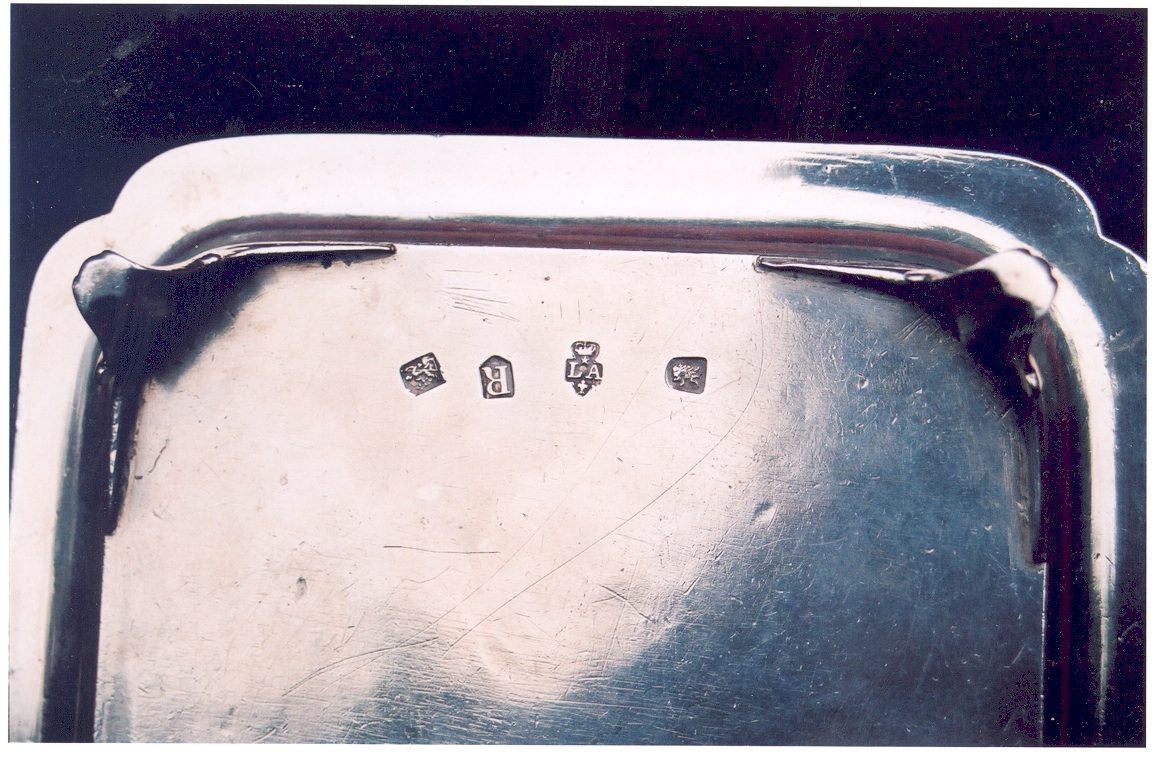
1 min read · 2 sourcesBritannia silver is an alloy of silver containing 11 ozt 10 dwt (i.e. 11+1⁄2 troy ounces) silver in the pound troy, equivalent to 23⁄24, or 95.833% by weight (mass) silver, the rest usually being copper. This standard was introduced in England in 1697 by the Standard of Silver Plate, etc. Act 1696 (8 & 9 Will. 3. c. 9) to replace sterling silver (92.5% silver) as the obligatory standard for items of "wrought plate". The lion passant gardant hallmark denoting sterling was replaced with "the figure of a woman commonly called Britannia", and the leopard's head mark of the Worshipful Company of Goldsmiths (in London) replaced with a "lion's head erased". William III introduced Britannia standard silver as part of the Great Recoinage of 1696, to limit the clipping and melting of sterling silver coinage. 1
The text above is adapted from the Wikipedia article “Britannia silver”, available under the Creative Commons Attribution-ShareAlike 4.0 licence. 1
Britannia silver is alloy of silver, according to the structured record cited below. This entry was generated automatically from that record and has not yet been reviewed by a person familiar with the tradition. 2
The source record links this tradition to 3 external registers, which can be verified through the citation. 2