The tradition & historical record
2 min read · 2 sourcesBrossat, or brull in some zones, is a fresh cheese in Catalan cuisine made from whey (xerigot) resulting from the making of other cheeses, such as mató, a fresh or aged cheese, from sheep or goats. It's made by heating the whey until the temperatures is almost but not quite boiling, when the insoluble milk proteins and other particles precipitate and can be collected in shape of white flocculi on the surface of the whey. It is not pressed, nor salted or aged, but is shaped with molds or cloths. It is a cheese with very little fat (around 10%) and high in protein. 1
Etymology
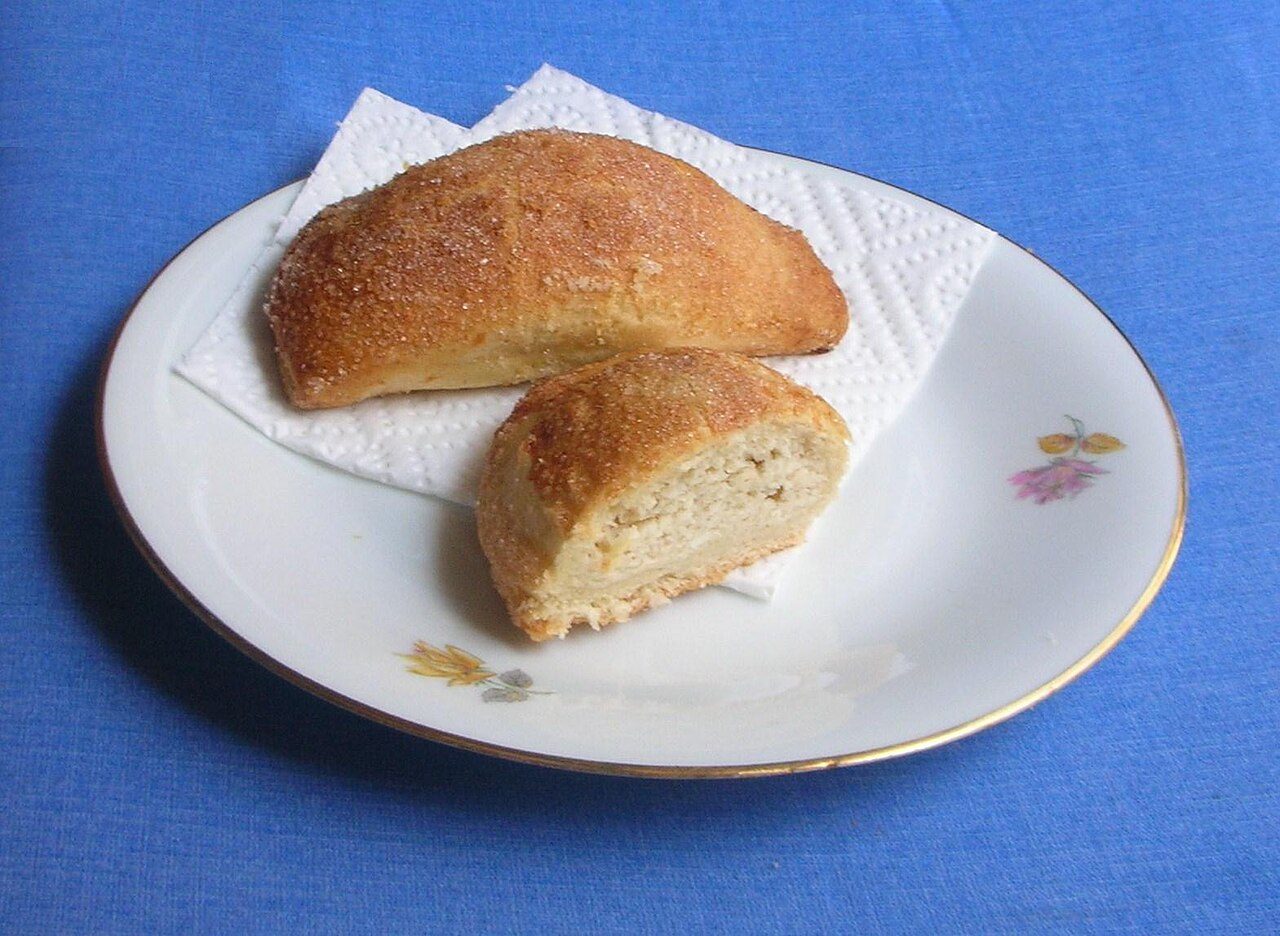
This product is called brossat in the Pyrenees, Menorca and Mallorca. It's known and marketed as brull, in the mountainous spurs of the Ports de Tortosa-Beseit, to the south of Terres de l'Ebre and in Alt Maestrat. This brull is used to stuff the flaó pastries of Morella. 1
Variants
Brossat-like varieties are made in other Mediterranean countries, for example in Occitania it is known as brousse, in Avairon it is called recuite, in Corsica it is called brocciu, and in Italy it is called ricotta. They also have serac in Switzerland or urda in Romania. 1
The text above is adapted from the Wikipedia article “Brossat”, available under the Creative Commons Attribution-ShareAlike 4.0 licence. 1
Brossat is Type of cheese from Catalonia, Spain, according to the structured record cited below. This entry was generated automatically from that record and has not yet been reviewed by a person familiar with the tradition. 2
The source record links this tradition to 1 external register, which can be verified through the citation. 2