The tradition & historical record
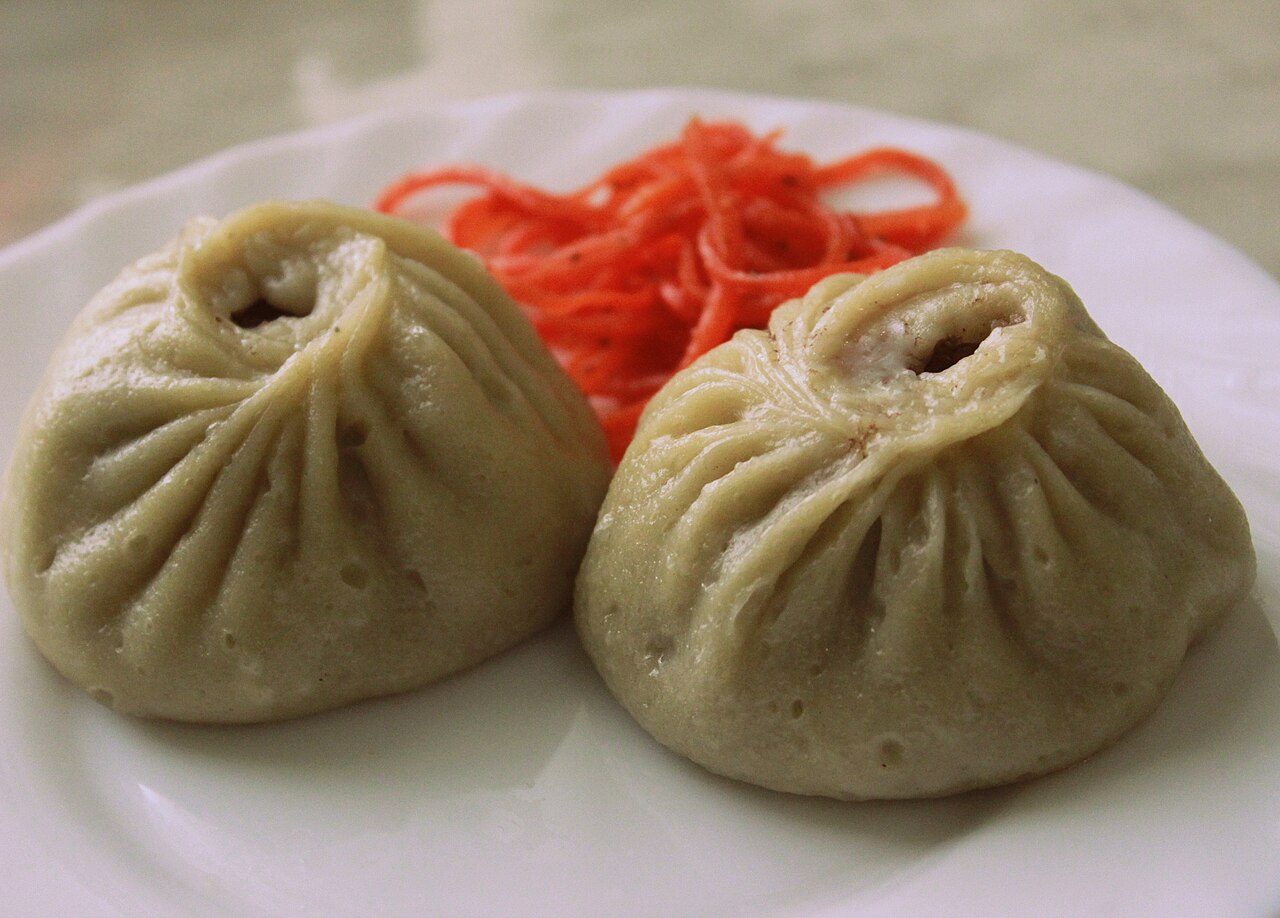
2 min read · 2 sourcesBuuz (; Mongolian: ᠪᠤᠤᠵᠠ (Бууз) [pʊ́ːts(ə)]; Buryat: Бууза ᠪᠤᠤᠽᠠ [ˈbʊː(d)z(ɐ)]) are a type of Mongolian steamed dumpling filled with meat. An example of authentic Mongolian and Buryatian cuisine, the dish is traditionally eaten at home during Tsagaan Sar, the Lunar New Year. In modern times it is also offered at restaurants and small cafes ("guanz") throughout the capital city of Ulaanbaatar, sometimes eaten with soy sauce. 1
History and function
Buuz is the Mongolian version of the steamed dumpling which is commonly found throughout the region. Etymologically, it reveals its origin to China, as baozi (Chinese: 包子; pinyin: ) is the Mandarin word for steamed dumpling. They are eaten in great quantities throughout the year but especially during the Mongolian New Year celebrations, which usually fall in February. Buuz are prepared in the weeks before and left outside to freeze; they are consumed with salads and fried bread, accompanied by suutei tsai (Mongolian tea) and vodka. Niislel salad (Mongolian: Нийслэл салат), a variant of Olivier potato salad, is particularly popular, being almost ubiquitous among banquets and formal meals in Mongolian households. 1
Ingredients and preparation
Buuz are filled with minced lamb and mutton or beef, which is flavored with caraway seeds. Onion and/or garlic are often added, and the dish is then salted. Occasionally, they are flavored with sprouted fennel seeds and other seasonal herbs. In more modern recipes, carrots, cabbages and various other vegetables and even rice are also common additions. Condiments such as soy sauce and Chinsu are occasionally added for further flavoring. The meat ball is then placed inside a small pocket of dough which is folded around the ball with a small opening at the top to prevent bursting due to steam formation, in the chef's own personal style. The buuz is then steamed and eaten by hand, with the dough pocket catching the juices of the meat. 1
The text above is adapted from the Wikipedia article “Buuz”, available under the Creative Commons Attribution-ShareAlike 4.0 licence. 1
Buuz is Mongolian steamed dumpling, according to the structured record cited below. This entry was generated automatically from that record and has not yet been reviewed by a person familiar with the tradition. 2
The source record links this tradition to 3 external registers, which can be verified through the citation. 2