The tradition & historical record
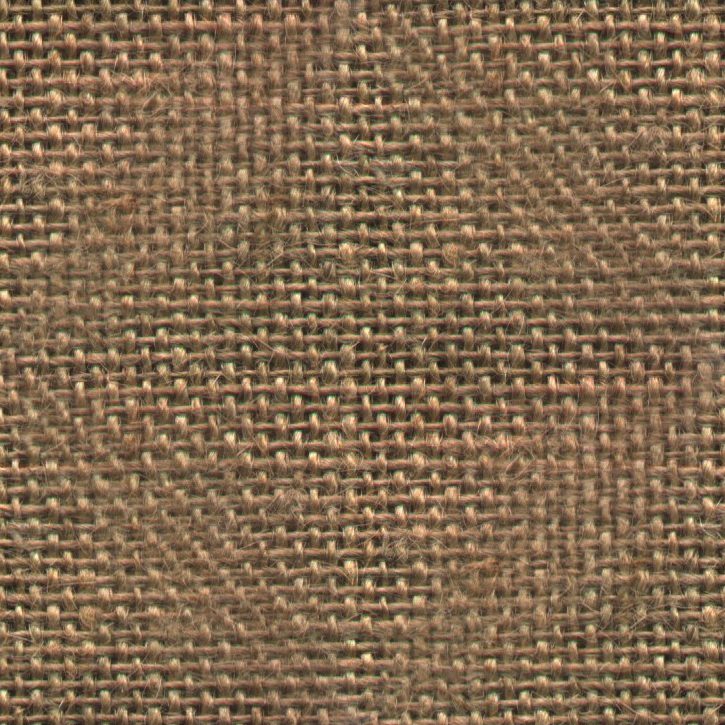
4 min read · 2 sourcesCanvas is a durable plain-woven fabric used for making sails, tents, marquees, backpacks, shelters, as a support for oil painting and for other items for which sturdiness is required, as well as in such fashion objects as handbags, electronic device cases, and shoes. It is popularly used by artists as a painting surface, typically stretched across a wooden frame. Although historically made from hemp, modern canvas is usually made of cotton, linen, or sometimes polyvinyl chloride (PVC). It differs from other heavy cotton fabrics, such as denim, in being plain weave rather than twill weave. Canvas comes in two basic types: plain and duck. The threads in duck canvas are more tightly woven. The term duck comes from the Dutch word for cloth, doek. In the United States, canvas is classified in two ways: by weight (ounces per square yard) and by a graded number system. The numbers run in reverse of the weight so a number ten canvas is lighter than number four. The word "canvas" is derived from the 13th century Anglo-French canevaz and the Old French canevas. Both may be derivatives of the Vulgar Latin cannapaceus for "made of hemp", originating from the Greek κάνναβις (cannabis). 1
For painting
Canvas has become a common support medium for oil painting, acrylic painting, pour paint, watercolor, etc., replacing wooden panels. One of the earliest surviving oils on canvas is a French Madonna with angels from around 1410 in the Gemäldegalerie, Berlin. Its use in Saint George and the Dragon by Paolo Uccello in about 1470, and Sandro Botticelli's Birth of Venus in the 1480s was still unusual for the period. Large paintings for country houses were more likely to be on canvas, as it was less expensive than panel painting. Another common category of paintings on lighter cloth such as linen was in distemper or glue, often used for banners to be carried in procession. This is a less durable medium, and surviving examples such as Dirk Bouts' Entombment, in distemper on linen (1450s, National Gallery) are rare, and often rather faded in appearance. Panel painting remained more common until the 16th century in Italy and the 17th century in Northern Europe. Mantegna and Venetian artists were among those leading the change; Venetian sail canvas was readily available and regarded as the best quality. 1
Canvas is usually stretched across a wooden frame called a stretcher and may be coated with gesso prior to being used to prevent oil paint from coming into direct contact with the canvas fibers which would eventually cause the canvas to decay. A traditional and flexible chalk gesso is composed of lead carbonate and linseed oil, applied over a rabbit skin glue ground; a variation using titanium white pigment and calcium carbonate is rather brittle and susceptible to cracking. As lead-based paint is poisonous, care has to be taken in using it. 1
For embroidery
Canvas is a popular base fabric for embroidery such as cross-stitch and Berlin wool work. Some specific types of embroidery canvases are Aida cloth (also called Java canvas), Penelope canvas, Chess canvas, and Binca canvas. Plastic canvas is a stiffer form of Binca canvas. 1
As a compound agent
From the 13th century onwards, canvas was used as a covering layer on pavise shields. The canvas was applied to the wooden surface of the pavise, covered with multiple layers of gesso and often richly painted in tempera technique. Finally, the surface was sealed with a transparent varnish. While the gessoed canvas was a perfect painting surface, the primary purpose of the canvas application may have been the strengthening of the wooden shield corpus in a manner similar to modern glass-reinforced plastic. 1
Splined canvas, stretched canvas and canvas boards
Splined canvases differ from traditional side-stapled canvas in that canvas is attached with a spline at the rear of the frame. This allows the artist to incorporate painted edges into the artwork itself without staples at the sides, and the artwork can be displayed without a frame. Splined canvas can be restretched by adjusting the spline. Stapled canvases stay stretched tighter over a longer period of time, but are more difficult to re-stretch when the need arises. Canvas boards are made of canvas stretched over and glued to a cardboard backing, and sealed on the backside. The canvas is typically linen primed for a certain type of paint. They are primarily used by artists for quick studies. 1
Types
Dyed canvas Fire-proof canvas Printed canvas Stripe canvas Water-resistant canvas Waterproof canvas Waxed canvas Rolled canvas 1
The text above is adapted from the Wikipedia article “Canvas”, available under the Creative Commons Attribution-ShareAlike 4.0 licence. 1
canvas is extremely heavy-duty plain-woven fabric, according to the structured record cited below. This entry was generated automatically from that record and has not yet been reviewed by a person familiar with the tradition. 2
The source record links this tradition to 19 external registers, which can be verified through the citation. 2