The tradition & historical record
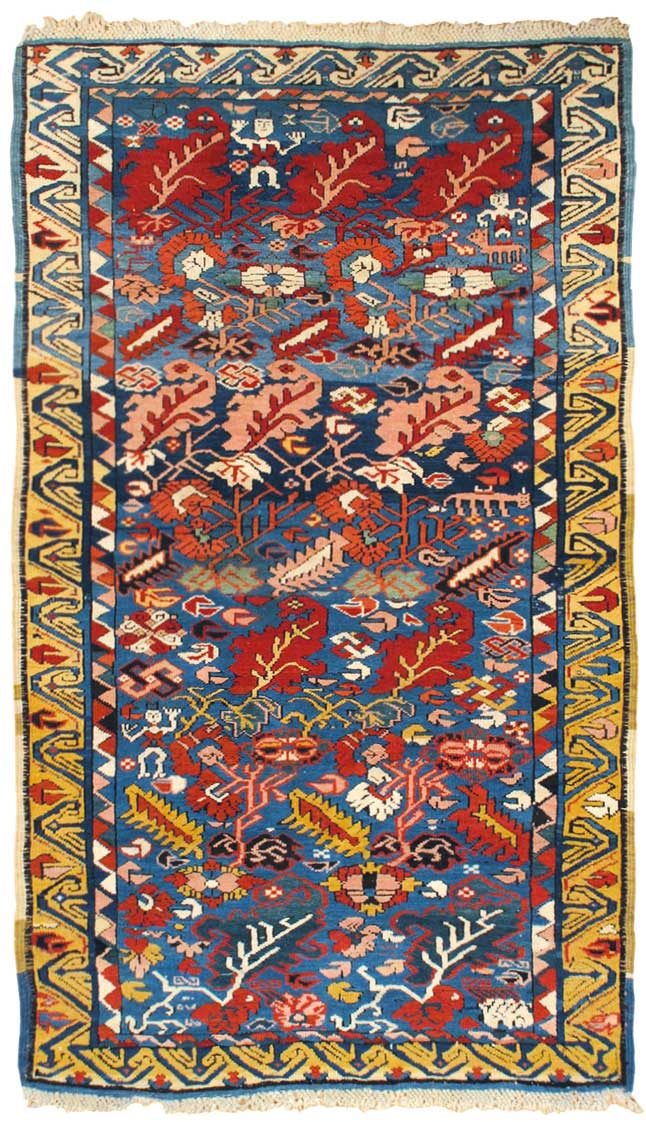
1 min read · 2 sourcesCaucasian carpets and rugs are primarily made in villages, rather than in cities. They are made from materials particular to individual tribal provinces, the rugs of the Caucasus normally display bold geometric designs in primary colors. Styles typical to the Caucasus region are Daghestan, Verne, Shirvan, Ganja, Kazakh, Karabagh, and Quba rugs. Several carpet styles from contemporary northwestern Iran also fall largely into this bracket, such as the Ardabil rugs. 1
The text above is adapted from the Wikipedia article “Caucasian carpets and rugs”, available under the Creative Commons Attribution-ShareAlike 4.0 licence. 1
Caucasian carpet is type of carpet indigenous to the Caucasus region, according to the structured record cited below. This entry was generated automatically from that record and has not yet been reviewed by a person familiar with the tradition. 2
The source record links this tradition to 9 external registers, which can be verified through the citation. 2