The tradition & historical record
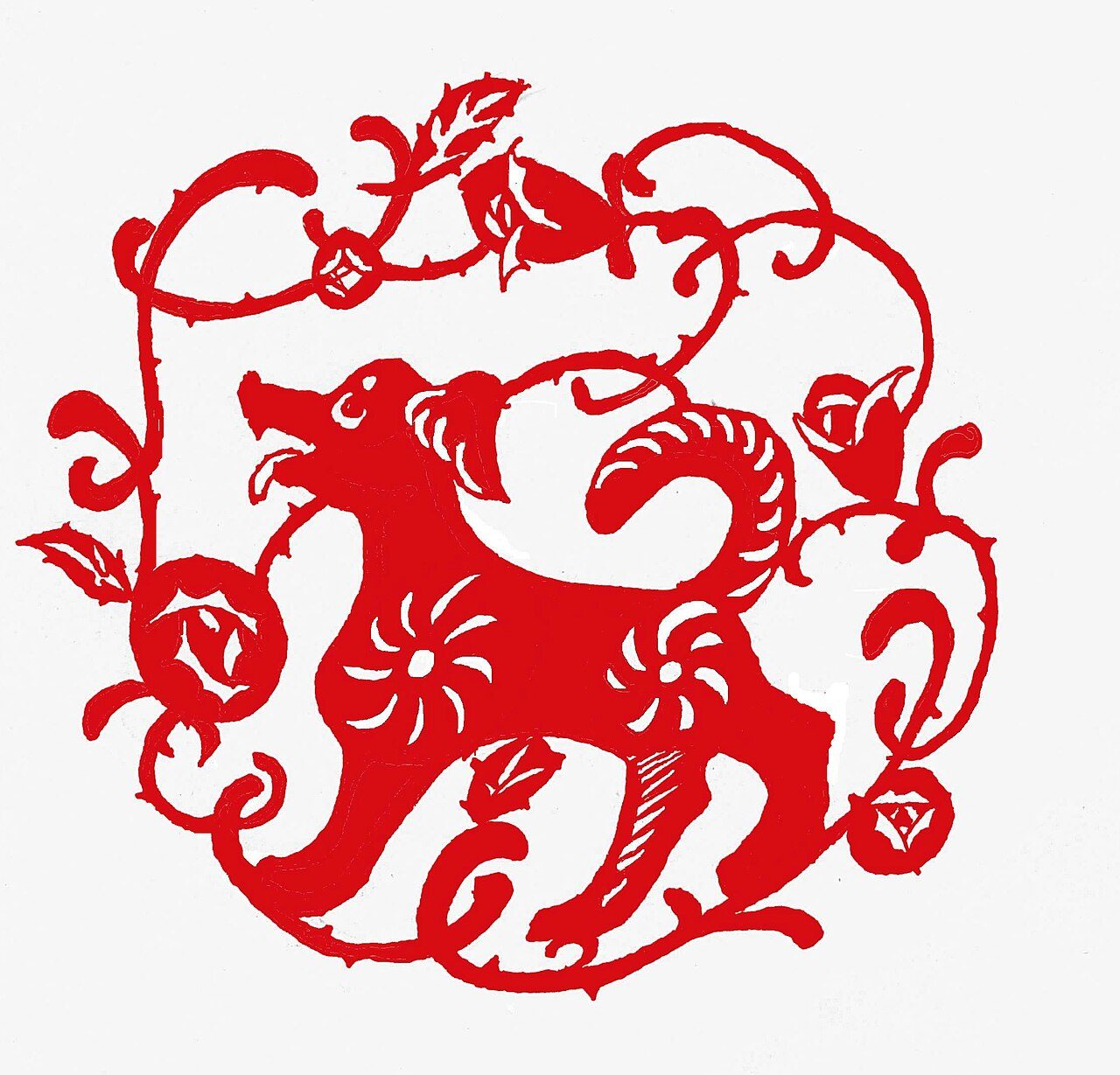
3 min read · 2 sourcesChinese folk art or Chinese handcrafts are artistic forms inherited from a regional or ethnic scene in China. Usually there are some variation between provinces. Individual folk arts have a long history, and many traditions are still practiced today. The general definition of folk art incorporates Chinese art forms that are not classified as Chinese fine art. Chinese folk art is the ancient forms of art that originated in China. Some of these ancient art forms include jade carvings, performance art such as music and their respective instruments, textile art such as basket weaving, paper art and clothing. 1
Jade carving
Jade is a semi-rare green mineral found in prominent use in Chinese art since prehistoric times. Carvings using jade have been a common elevated folk art in China. From objects such as masks to animals, jade—along with cheaper wood and bamboo—found use in many works of art. At times, the highest quality jade has been esteemed more highly than gold, diamonds, or pearls. Due to the toughness of jade, it is believed that Chinese jade carvings were first carved into weapons such as swords, although it is unclear if the sword carvings were for ceremonial or utilitarian use. As time went on, jade was carved into many different shapes and forms. An important early example of jade carving were the circular disks known as bi, generally understood to represent the heavens in some fashion. By 3000 BC, jade was referred to yu (玉). By 206 BC, Xu Shen—a Chinese scholar under the Han—listed the Five Virtues of Jade as benevolence, honesty, wisdom, integrity, and bravery. It further represents love, strength, purity, luck, and gentleness. Jade is also used in fengshui, adding harmony and balance to its space. 1
Basket weaving
Baskets are mainly woven with bamboo or plant stems. 1
Chinese kites
China is the birthplace of the kite, and Weifang is one of the chief places where Chinese kites originated. Kite-flying became prevalent in Weifang in the Song dynasty (960–1279). By the Ming dynasty (1368–1644) kite-flying had become even more popular, and kite fairs on a rather large scale had appeared. Kites were sold not only across Shandong, but also to Jiangsu, Fujian, Anhui and other places. The noted English scholar Joseph Needham listed kites in his book History of Science and Technology in China as one of the important contributions in science and technology that the Chinese introduced to Europe. 1
Sugar
Sugar painting (t 糖畫, s 糖画, tánghuà) is a form of traditional Chinese folk art using hot, liquid sugar to create two dimensional objects on a marble or metal surface. Sugar people (糖人) is a traditional Chinese form of folk art using hot, liquid sugar to create three-dimensional figures. 1
Flour figures
Mian Ren (Flour Figure) are made of coloured flours. Craftsmen used to travel with their tools to villages and towns to make and sell flour figures for a very basic income. Sometimes flour figures are used in dishes together with vegetable carvings. 1
The text above is adapted from the Wikipedia article “Chinese folk art”, available under the Creative Commons Attribution-ShareAlike 4.0 licence. 1
Chinese folk art is artistic forms inherited from a regional or ethnic scene in China, according to the structured record cited below. This entry was generated automatically from that record and has not yet been reviewed by a person familiar with the tradition. 2
The source record links this tradition to 2 external registers, which can be verified through the citation. 2