The tradition & historical record
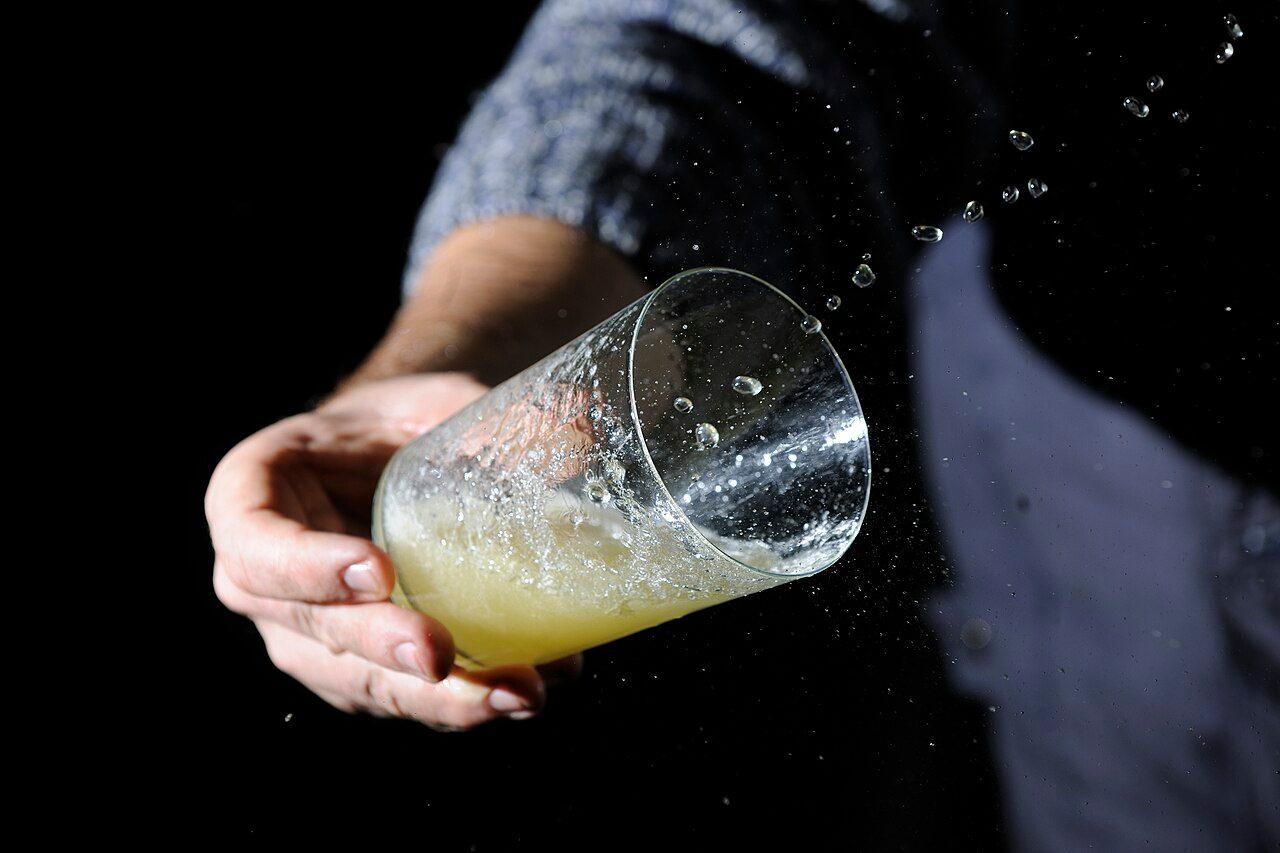
6 min read · 2 sourcesCider ( SY-dər) is an alcoholic beverage made from the fermented juice of apples. The juice of most varieties of apple (including crab apples) can be used to make cider, but cider apples are most desirable. The addition of sugar or extra fruit before a second fermentation increases the ethanol content of the resulting beverage. Cider is widely available in Britain, particularly in the West Country, and Ireland. Together, they have the world's highest per capita consumption and the largest cider-producing companies. Ciders from the South West of England are generally higher in alcoholic content. Cider remains traditionally popular across the Anglosphere, such as India, South Africa, Canada, Australia, New Zealand, Hong Kong, and the United States (particularly in New England and the Midwest). 1
Etymology
In Old English, an alcoholic beverage made from apples was simply called æppelwīn ("apple wine"). The word cider is first mentioned in Middle English in biblical use as sicer, ciser ("strong drink", "strong liquor") in the 13th century and as sither(e) / cidre "liquor made from the juice of fruits" → "beverage made from apples" in the 14th century. It was probably first borrowed from Old French primitive form sizre "fermented beverage" (Eadwine Psalter, LXVIII, 14) and then from another younger French form cistre, later sidre, cidre "beverage made from fruits". The specific meaning "fermented beverage from apples" appears in Old French for the first time by the Norman chronicler Wace in 1130 / 1140 (Wace, conception de Nostre Dame). The Old French word *cisre (sizre) is from Gallo-Romance *cisera found in Medieval Latin by the English author Alexander Neckam (Neckam, De nominibus utensilium). It is an altered form of Church Latin sicera "fermented drink", itself borrowed from Greek sīkéra, ultimately from Hebrew šēkār, "intoxicating liquor". The cognates in the different Romance languages : Spanish, Portuguese sidra, Italian sidro, etc., in the Germanic languages : German Zider, etc. are all from French and Breton chistr, Welsh seidr (through an English form) probably too. By the 19th century, in the United States, cider referred to the expressed juice of apples, either before fermentation as sweet cider, or after fermentation, a hard cider. 1
Geography and origins
Cider is an ancient beverage. The first recorded reference to cider dates back to Julius Caesar's first attempt to invade Britain in 55 BCE, when he found the native Celts fermenting crabapples. He would take the discovery back through continental Europe with his retreating troops. In the cider market, ciders can be divided into two main styles: standard and speciality. The first group consists of modern ciders and heritage ciders. Modern ciders are produced from culinary apples such as Gala. Heritage ciders are produced from heritage, cider-specific, crab, or wild apples, like Golden Russet. Historically, cider was made from the only resources available to make it, so style was not a large factor when considering the production process. Apples were historically confined to the cooler climates of Western Europe and Britain, where record-keeping was not yet common. Cider was first made from crab apples, ancestors of the bittersweet and bittersharp apples used by today's English cider makers. English cider featured a drier, higher-alcohol-content style, made in open fermentation vats from bittersweet crab apples. The French developed a sweet, low-alcohol "cidre" taking advantage of the sweeter apples and the keeving process. Cider styles evolved based on the methods used, the apples available and local tastes. Production techniques, as with most technology, were developed by trial and error. In fact, the variables were too numerous to track, including spontaneous fermentation, vessel types, environmental conditions, and apple varieties. Refinements came much later when cider became a commercial product, and the process was better understood. 1
Appearance and types
The flavour of cider varies. Ciders can be classified from dry to sweet. Their appearance ranges from cloudy with sediment to completely clear, and their colour ranges from almost colourless to amber to brown. The variations in clarity and colour are mostly due to filtering between pressing and fermentation. Some apple varieties will produce a clear cider without any need for filtration. Both sparkling and still ciders are made; the sparkling variety is the more common. Modern, mass-produced ciders closely resemble sparkling wine in appearance. More traditional brands tend to be darker and cloudier. They are often stronger than the mass-produced varieties and taste more strongly of apples. Almost colourless, white cider has the same apple juice content as conventional cider but is harder to make because the cider maker must blend various apples to achieve a clearer liquid. White ciders tend to be sweeter and more refreshing. They are typically 7–8% ABV in strength. Black cider, by contrast, is a dry amber cider with an alcohol content of 7–8% ABV. 1
Modern ciders
Modern ciders are made from culinary apples and are lower in tannins and higher in acidity than other cider styles. Common culinary apples used in modern ciders include McIntosh, Golden Delicious, Jonagold, Granny Smith, Gala, and Fuji. A sweet or low alcohol cider may tend to have a strong aromatic and flavour character of apple, while drier and higher alcohol ciders will tend to produce a wider range of fruity aromas and flavours. Modern ciders vary in color from pale to yellow and can range from brilliant to a hazy clarity. Clarity can be altered through various cider-making practices, depending on the cider maker's intentions. There are even Rosé ciders made from apples with red skins and flesh. 1
Heritage ciders
Heritage ciders are made from both culinary and cider apples, including bittersweet, bittersharp, heirloom, wild, and crab apples. Common apples used in heritage cider production include Dabinett, Kingston Black, Roxbury Russet, and Wickson. Heritage ciders are higher in tannins than modern ciders. They range in colour from yellow to amber, from brilliant to hazy. Clarity of heritage ciders also depends on the cider-making practices used and will differ by cider maker as well. In Canada, some cideries market "Loyalist-style" ciders, which are notably dry and made with McIntosh apples, a Canadian heritage varietal. 1
The text above is adapted from the Wikipedia article “Cider”, available under the Creative Commons Attribution-ShareAlike 4.0 licence. 1
cider is fermented alcoholic beverage from apple juice, according to the structured record cited below. This entry was generated automatically from that record and has not yet been reviewed by a person familiar with the tradition. 2
The source record links this tradition to 47 external registers, which can be verified through the citation. 2