The tradition & historical record
2 min read · 2 sourcesCochin ware or Kochi ware or Jiaozhi ware (Chinese: 交趾陶; pinyin: Jiāozhǐ táo) is a type of Vietnamese pottery from Northern Province, Vietnam. 1
History
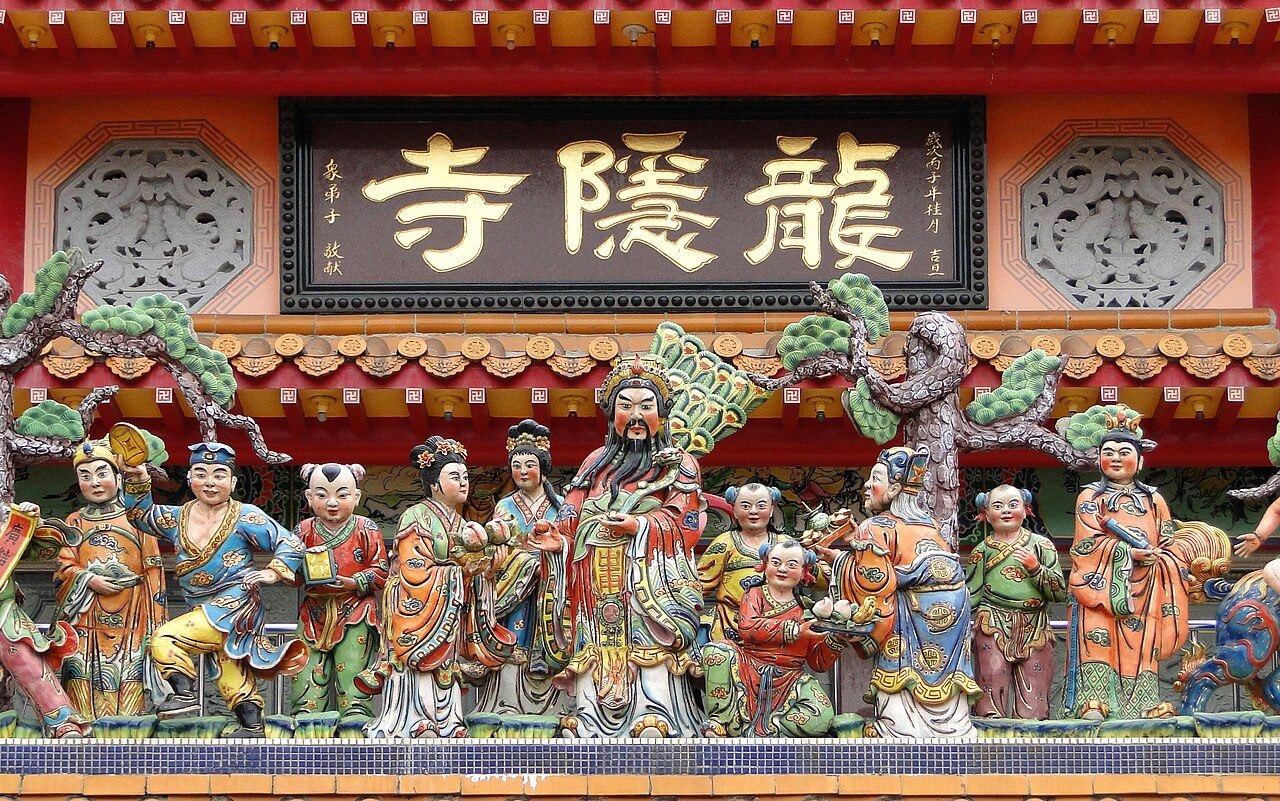
Koji pottery was brought to Taiwan in the 19th century. The English term "Cochin" derives from the Taiwanese pronunciation Jiāozhǐ (交趾), which was used to denote Vietnam (Vietnamese: Giao-chỉ). The region of Cochinchina is an example of the term. At that time, Cochin ware consisted mainly of decorations for the walls and roof ridges of temples, including human figures, animals, birds, and flowers in bright, glossy colors. Today, there are only a handful of craftspeople who still possess the traditional Cochin skills, most of whom are in the central-island city of Chiayi. 1
Japan
In Japan it is known as Kōchi ware (Kōchi-yaki). In the old capital city Kyoto the masters of the tea ceremony esteem Kōchi ware as small figures of animals, fish, flowers, dragons, the phoenix etc. Initially imported as shimamono, it became a part of Japanese pottery. The Koshun kiln (洸春窯) is also a production centre in Kyoto. 1
The text above is adapted from the Wikipedia article “Cochin ware”, available under the Creative Commons Attribution-ShareAlike 4.0 licence. 1
Cochin ware is type of Chinese pottery from Guangdong, southern China, according to the structured record cited below. This entry was generated automatically from that record and has not yet been reviewed by a person familiar with the tradition. 2
The source record links this tradition to 2 external registers, which can be verified through the citation. 2