The tradition & historical record
6 min read · 2 sourcesThe conservation and restoration of quilts refers to the processes involved in maintaining the integrity of quilts and/or restoring them to an acceptable standard so that they may be preserved for future generations. Quilts have been produced for centuries, as utilitarian blankets, decorations, family heirlooms, and now treasured museum collections objects. Quilts are three-layered textile pieces with a decorated top, a back, and a filler in the middle. The composite nature of these objects creates an interesting challenge for their conservation, as the separate layers can be made of different textile materials, multiple colors, and therefore, varying degrees of wear, tear, and damage. 1
What is a Quilt?
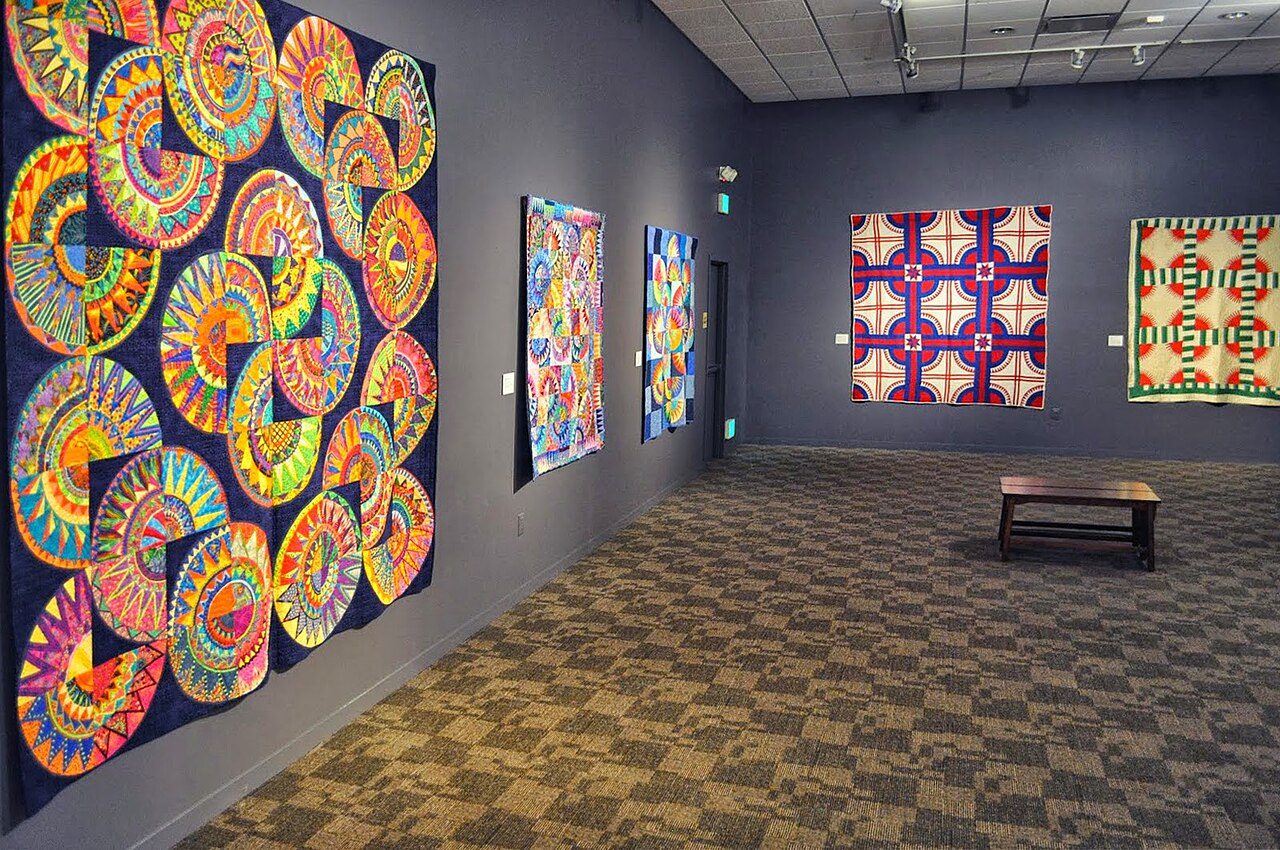
A quilt is a multi-layered textile, traditionally composed of three layers of fiber: a woven cloth top, a layer of batting or wadding, and a woven back, combined using the technique of quilting, the process of sewing the three layers together. The pattern of stitching can be the key decorative element if a single piece of fabric is used for the top of a quilt (a "wholecloth quilt"), but in many cases the top is pieced from a patchwork of smaller fabric pieces; and the pattern and color of these pieces will be important to the design. Patterns, fabric, and styles differ greatly based on the time period and area that they were produced in. The quilts produced in Gee's Bend, Alabama are great examples of the history and use of quilts in specific space and time. Quilting is the process of sewing two or more layers of fabric together to make a thicker padded material, usually to create a quilt or quilted garment. The process of quilting uses a needle and thread to join two or more layers of material to make a quilt. The quilter's hand or sewing machine passes the needle and thread through all layers and then brings the needle back up. The process is repeated across the entire area where quilting is wanted. 1
Composition
Quilting, sewing together layers of fabric to create a cohesive whole, has been around for hundreds, perhaps thousands of years. Europe, Russia, the United Kingdom, and the United States all have examples of quilts that are hundreds of years old. Depending on the time period and area that they were produced in, quilts can be made of varying textiles, have a myriad of different colors, and be pieced together using different methods. Some quilts produced in the Civil War era were created using silk ribbons. Silk material such as these ribbons often suffer from what is referred to as "shattering," caused by metal salts that were applied to silk fabrics to create desired "rustles" in women's dresses, and were used as a weighting agent in these dresses. The metal components do considerable damage to silk fabric over time. Quilts containing metal salts formed a minority of these objects, however, they provide an example of the types of features to be identified when considering treatment. The Minnesota Historical Society has some guidelines for preserving quilts that include insights such as looking for deterioration issues due to certain fabric types such as silk as well as specific dyes. In the twenty-first century, quilts are frequently displayed as non-utilitarian works of art, but historically quilts were often used as bed covers. The use of quilts as bedcovers persists today. 1
Processes/Techniques
After their creation, the use and production style of quilts varied; initially a utilitarian product used mostly for bed coverings, quilts have evolved to become decorative pieces as well. Due to the changing uses of these items, techniques for creating them have evolved over the last few centuries. Some common historical and current quilting techniques include the following: 1
Patchwork & Piecing One of the primary techniques involved in quilt making is patchwork, sewing together geometric pieces of fabric often to form a design or "block." Also called piecing, this technique can be achieved with hand stitching or with a sewing machine. Applique Appliqué is a sewing technique where an upper layer of fabric is sewn onto a ground fabric. Reverse Applique Reverse appliqué is a sewing technique where a ground fabric is cut, another piece of fabric is placed under the ground fabric, the raw edges of the ground fabric are tucked under, and the newly folded edge is sewn down to the lower fabric. Stitches are made as inconspicuous as possible. Quilting Quilting, typically a running stitch, can be achieved by hand or by sewing machine. Hand quilting has often been a communally productive act with quilters sitting around a large quilting frame. Trapunto Trapunto is a sewing technique where two layers of fabric surrounding a layer of batting are quilted together, and then additional material is added to a portion of the design to increase the profile of relief as compared to the rest of the work. Embellishment Additional decorative elements may be added to the surface of a quilt to create a three-dimensional or whimsical effect. The most common objects sewn on are beads or buttons. 1
Conservation and Restoration Science
The conservation and use of all materials in a museum should be balanced to suit the object and the public. Best practices for the conservation/restoration of items start with the identification of the materials the item is constructed of. This identification allows conservation scientists to effectively treat and preserve the items for future generations. Though referred to my many names, (i.e. conservation scientists, cultural heritage scientists, etc.) these museum professionals have very specific skill sets using knowledge in physical science, forensics, the humanities, engineering, computer science, and economics. Conservation scientists use the skills they developed in these fields to conserve/restore objects from a wide array of museum areas including; statues, historical sites, paper, and textiles. As a composite textile, quilts require special consideration. The environment that they are stored in is one basic factor to consider. Being a single piece composed of possibly multiple different fabrics; all of the different fabrics' compositions need to be considered for conservation, storage, display, and treatment purposes. The large size of quilts requires special attention as well, specifically during handling, storage, and display. Due to the fragile nature of textiles, trained professionals are often the best choice to decide on the necessity of repairs and to perform them. 1
Agents of Deterioration
For the most part, all objects are susceptible to forces (agents of deterioration) that cause them to decay over the course of time through chemical, physical, biological deterioration, or some combination of the three. As with most of these objects, preventive conservation is one of the cornerstones to maintaining quilts for future generations. Through understanding the different agents of deterioration and examining the greatest threat to the objects, the museum can develop a plan to mitigate these risks. 1
The text above is adapted from the Wikipedia article “Conservation and restoration of quilts”, available under the Creative Commons Attribution-ShareAlike 4.0 licence. 1
Conservation and restoration of quilts is recorded in open cultural data. The structured record cited below does not describe the practice, and this entry has not yet been reviewed by a person familiar with the tradition. 2
The source record links this tradition to 1 external register, which can be verified through the citation. 2