The tradition & historical record
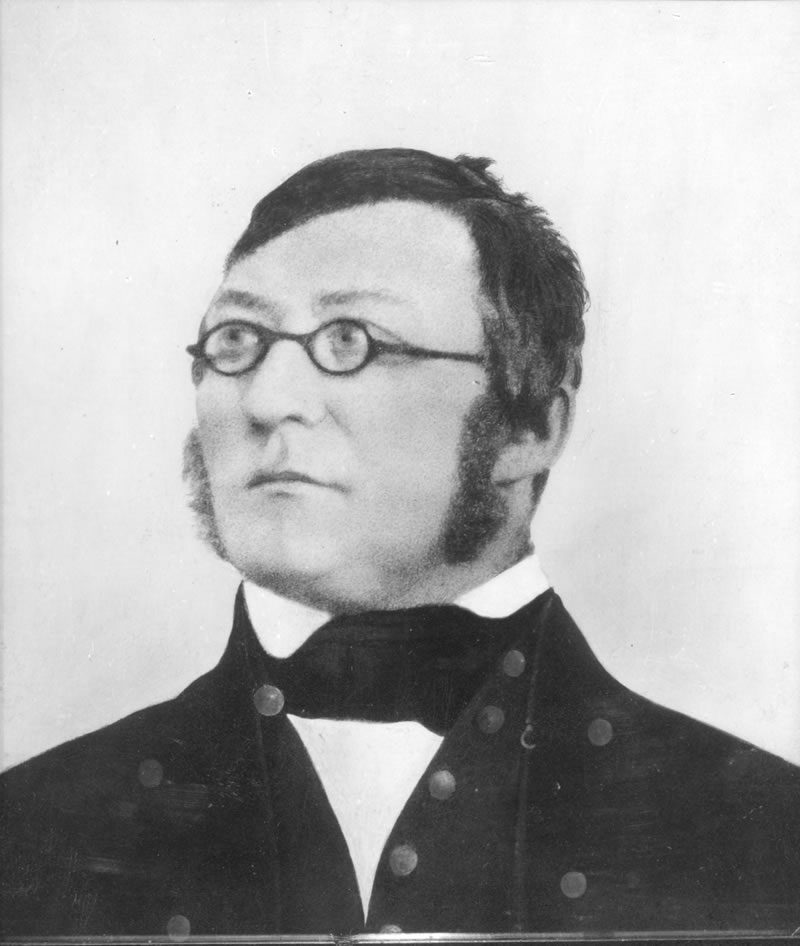
3 min read · 2 sourcesCreation, Man and the Messiah (Norwegian: Skabelsen, mennesket og Messias - et digt) is the title of an epic poem written by the Norwegian poet Henrik Wergeland in 1829. The scale of the poem invited criticism, especially by Wergeland's counterpart, Johan Sebastian Welhaven. In 1845, while on his deathbed, Wergeland revised the poem and republished it under the title Man (Norwegian: mennesket) . 1
The two spirits
The poem starts out at the beginning of history, with two spirits watching and arguing over the newly created earth. One of them, Phun-Abiriel, is dismayed, because he is eager to create on his own, but unlike God, his thoughts do not take shape. In the process, he also wishes to see God, but can't. Phun-Abiriel's friend, Ohebiel, patiently explains to him that the spirits are not able to see the eternal, and that Phun-Abiriel is considered a newborn spirit or a rash youth. Anyway, Ohebiel loves him, but can't help him from brooding. As they talk, the heavenly host approaches, led by the eldest of spirits, Akadiel. 1
Life on earth
Then, Akadiel and the host witness the birth of life, as recalled in Genesis, over a period of six days. At the end of this part, Akadiel holds his speech to the still-sleeping human couple, demanding of them that they shall be rulers over themselves first, and then over the creation as such, and honour God in the creation and in themselves. 1
The soul-giving
Phun-Abiriel (his names formed of the names Phuniel and Abiriel, telling of the two sides of his character), still broods over the sleeping humans below him. He makes up his mind that he would rather rule the earth as a man than be the most lowly of heavenly spirits. He decides he will become the soul of the sleeping man, and the little "geist" that were in man before him, shall become "dream", as he himself will be called "thought". Phun-Abiriel then descends and merges with the sleeping Adam, and as this happens, he ultimately forgets his spiritual self and his background. Ohebiel, watching this, despairs, and wonders what will happen if the woman awakes without soul, and what kind of monster would come from the union of the two. To hinder this, she merges with Eve, after the advice of Akadiel, and she sacrifices herself on behalf of humanity with the words: "Man, hope!" The history of humanity, at this point, can proceed as planned. 1
The bewildering
This second part is the longest section of the epic poem. It follows the life of Adam and Eve, and their recognition as kindred spirits; this section also details Adam's fall in pride and Wergeland's version of the fall of man, here solely on the male account. Then, there are parts of Biblical history detailed, such as Cain and Abel, the great flood, and so on. 1
Origin of lordships
This part consists of two monologues, one considering secular power, and one considering clerical power, over people's goods and thoughts. 1
The text above is adapted from the Wikipedia article “Creation, Man and the Messiah”, available under the Creative Commons Attribution-ShareAlike 4.0 licence. 1
Creation, Man and the Messiah is poem by Henrik Wergeland, according to the structured record cited below. This entry was generated automatically from that record and has not yet been reviewed by a person familiar with the tradition. 2
The source record links this tradition to 3 external registers, which can be verified through the citation. 2