The tradition & historical record
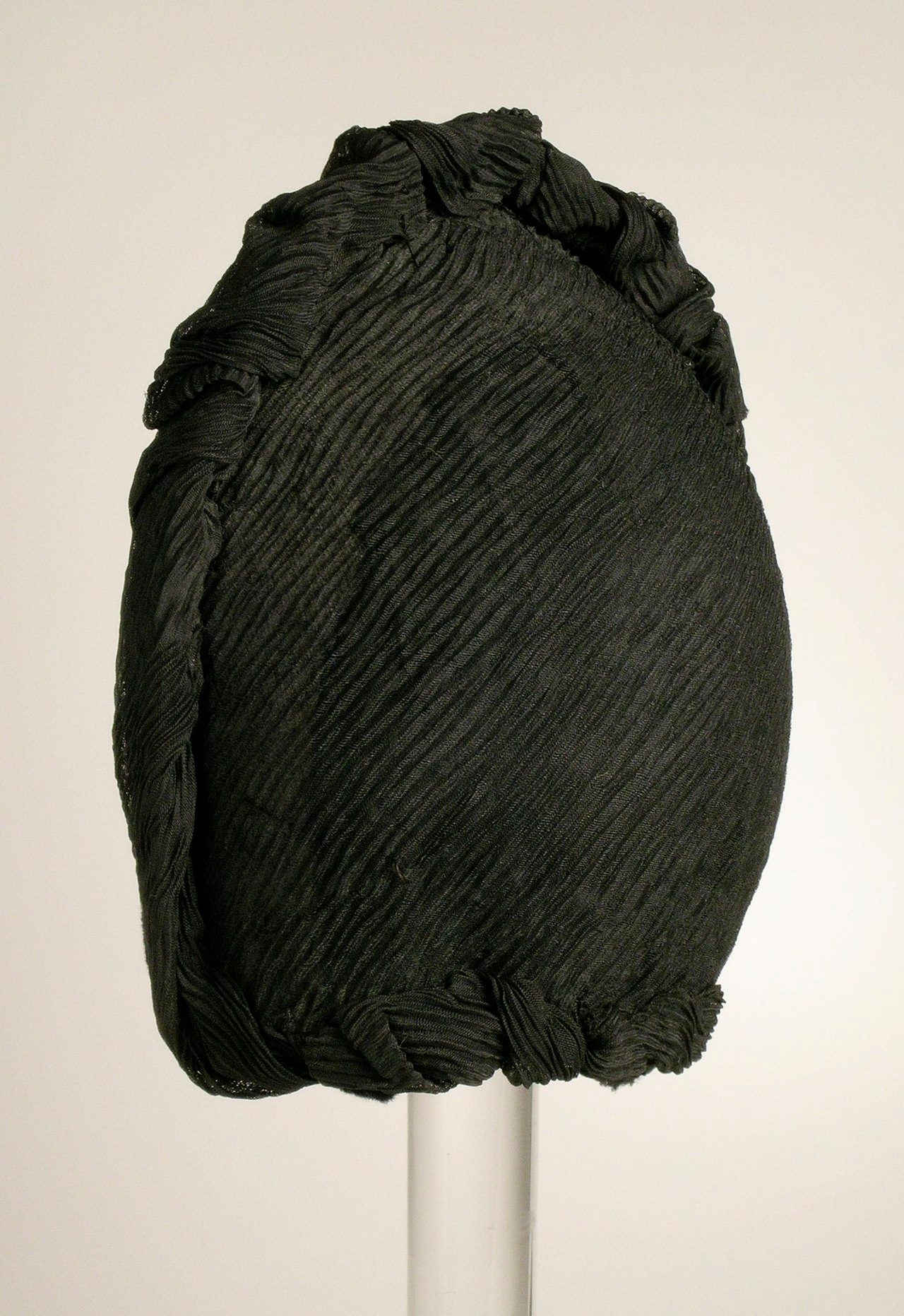
3 min read · 2 sourcesCrêpe, also spelled crepe or crape (from the French crêpe), is a silk, wool, or synthetic fiber fabric with a distinctively crisp and crimped appearance. The term "crape" typically refers to a form of the fabric associated specifically with mourning. Crêpe was also historically called "crespe" or "crisp". It is woven of hard-spun yarn, originally silk "in the gum" (silk from which the sericin had not been removed). There traditionally have been two distinct varieties of the crêpe: soft, Canton or Oriental crêpe, and hard or crisped crêpe. 1
A
Aerophane 1. A crimped silk gauze with a crêpe texture. 2. A historic 19th century lightweight crêpe, introduced in 1820, and, as "crepe aerophane" in 1861. 1
Albert crêpe 1. A fine black silk mourning crêpe introduced in 1862. 2. Plain-weave crêpe. 3. An English-made silk and cotton blend crêpe. 1
Alicienne A furnishing fabric with alternating plain weave and crêpe stripes. 1
Alpaca crêpe Rayon and acetate blend crêpe with a woollen texture, not necessarily made of alpaca yarn. 1
Altesse A British plain-weave silk fabric with crêpe filling. 1
Arabian 1. A British-made plain-weave cloth with figured crêpe designs. 2. Piece-dyed silk crêpe embroidered with dots. 1
Armure (See Georgian crêpe) 1
B
Balanced crêpe Crêpe woven with alternating S and Z twist yarns in both directions. 1
Balmoral crape An 1895 English crape. 1
Balzerine An 1889 narrow-striped silk grenadine overlaid with wider crêpe stripes. An earlier 1830s cotton/worsted fabric, spelled balzarine, was probably not crêpe. 1
Bark (or tree-bark) crêpe A broad term describing rough crêpes with a bark texture. 1
Bauté satin Warp-woven satin with a plain crêpe reverse. 1
Borada crape A cheaper, economical version of mourning crape advertised in 1887. 1
Bologna crêpe Silk crêpe used for mourning, also known as valle cypre. 1
C
Canton crêpe A soft silk crêpe with a pebbly surface originally associated with Canton in China, with bias ribs. Made in Britain, but exported to China, hence its name. 1
Caustic soda crêpe Cotton treated with chemicals to create a crêpe-like texture, often in patterns. 1
Chiffon crêpe Chiffon-weight crêpe. 1
Chijimi Japanese crêpe. 1
Chirimen Japanese raw silk crêpe widely used to make kimono. When woven with a dot it is mon-chirimen. 1
Courtauld crape 1890s mourning crape made by Courtaulds. An 1894 variation, called 'Courtauld's new silk crêpe', was exceptionally thin and soft. Courtaulds monopolised the export market for English crapes and crêpes, meaning that the textiles known as "crape anglaise" were almost always manufactured by Courtaulds up until 1940. 1
Crêpe Algerian A trade name for a printed pongee with a rough crêpe texture. 1
Crêpe anglaise A French term for English mourning crapes in black and white. 1
E
ʻeleʻele kanikau Black mourning crêpe worn in Hawaii. 1
Epingline Textile in silk, rayon or worsted with a crêpe surface. 1
Esmeralda or étendelle Sheer white crêpe or gauze popular in the early 19th century, often embroidered. 1
F
Flat crêpe Also called mock crepe or (inaccurately) French crepe. A smooth, flat plain-weave fabric, typically a silk blend, with hard-twisted yarns and ordinary yarn warp. Also used to describe a similar fabric made without crepe-twist yarns. 1
French crêpe 1. An inaccurately-applied name for flat crêpe. 2. Plain-weave light silk or rayon cloths similar to flat crêpe. 3. A lingerie weight fabric with ordinary yarn warp and a twisted filling yarn that is less twisted than typical crepe twist. 1
The text above is adapted from the Wikipedia article “Crêpe (textile)”, available under the Creative Commons Attribution-ShareAlike 4.0 licence. 1
crêpe is any of various fabrics with twisted threads, often crinkled surface, according to the structured record cited below. This entry was generated automatically from that record and has not yet been reviewed by a person familiar with the tradition. 2
The source record links this tradition to 13 external registers, which can be verified through the citation. 2