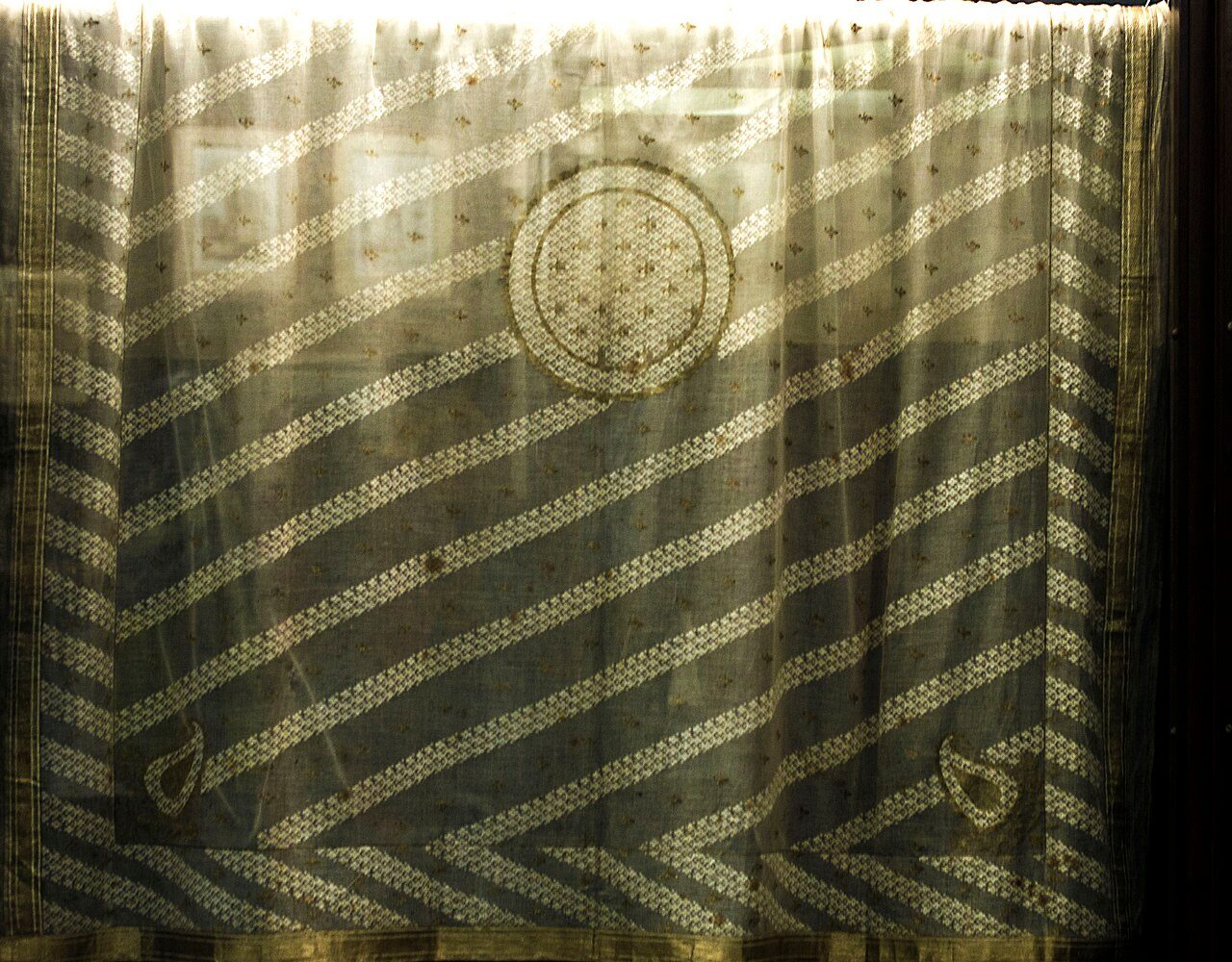
The tradition & historical record
1 min read · 2 sourcesA Dhakai (Daccai), often considered as a type of sari (traditional cloth for women of Bengal) is a traditional attire of women in Bengal made with cotton. The name comes from the Dhaka (Dacca)city, capital of Bangladesh, where this type of fabric is usually made. 1
History
The unique hand technique of weaving was called jamdani in the old days, while the weave was called Dhakai. The sensitive weavers and artisans of this art form took inspirations for their weave designs from the life around them, from simple things such as a broken comb to things in the nature such as flora and fauna and traditional Bengali designs known as Alpana. 1
The text above is adapted from the Wikipedia article “Dhakai”, available under the Creative Commons Attribution-ShareAlike 4.0 licence. 1
Dhakai is type of Sari, according to the structured record cited below. This entry was generated automatically from that record and has not yet been reviewed by a person familiar with the tradition. 2
The source record links this tradition to 1 external register, which can be verified through the citation. 2