The tradition & historical record
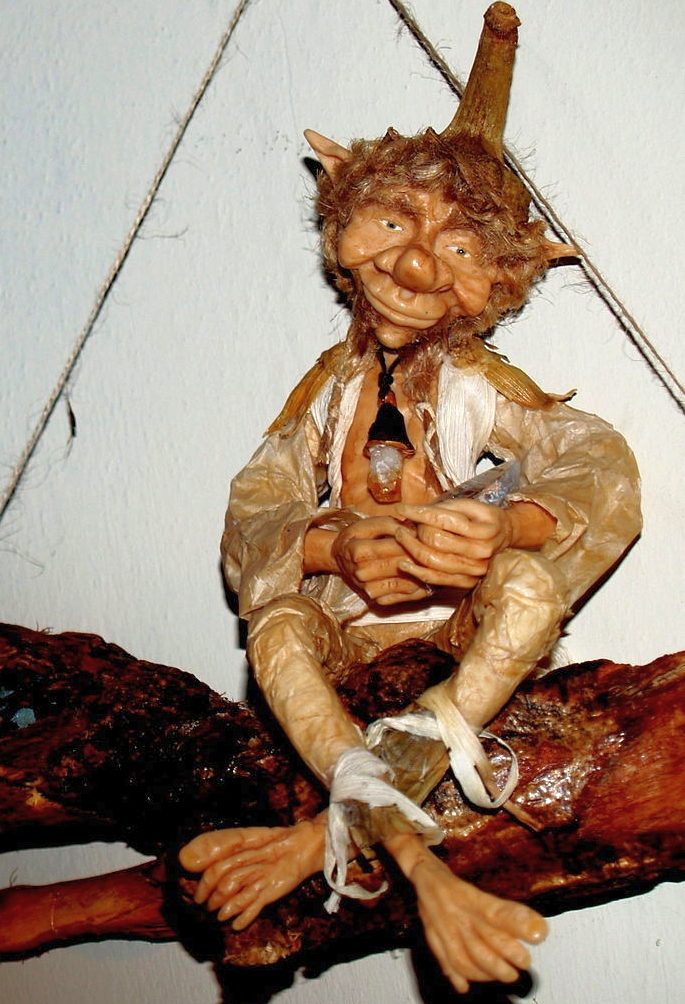
3 min read · 2 sourcesThe Duende is a humanoid figure of folklore, with variations from Iberian, Ibero American, and Latin American cultures, comparable to dwarves, gnomes, or leprechauns. 1
Etymology
In Castilian, duende originated as a contraction of the phrase dueñ(o) de casa, effectively "master of the house", or alternatively, derived from some similar mythical being of the Visigoth or Swabian culture given its comparable looks with the "Tomte" of the Swedish language conceptualized as a mischievous spirit inhabiting a dwelling. 1
Spain
Spanish folklore is rich in tales and legends about various types of duendes: Anjanas, Busgosos, Diaños, Enanos, Elfos, Hadas, Nomos, Nuberus, Tentirujus, Trasgos/Trasgus, Trastolillus, Trentis, Tronantes, Ventolines and others. In some regions of Spain, duendes may have other names like Trasnos in Galicia, Follets in Catalonia, Iratxoak in the Basque Country and Navarra, Trasgus in Asturias, Menutos or Mendos in Valle de Hecho and in other parts of Alto Aragón, Mengues (South of Spain). 1
Anjanas
Anjanas in Cantabria, Xanas in Asturias, and Janas in Castille and Leon are duendes similar to the nymphs of Ancient Greece. They are described as extremely beautiful beings with long flowing hair that they comb daily for long hours. Anjanas clothe themselves with dresses made up of stars or stardust and wear fabulous pearls. They are known to wear floral crowns and walk with floral staffs. Depending on the region, anjanas may be usually small in size—not much larger than a flower—but may change their size to be as large as mortal humans or even taller. In other regions, anjanas are as tall as humans. Anjanas are said to live in fountains, springs, rivers, ponds, lakes and caves and come out only at night when humans are sleeping. Their homes are said to hold bountiful treasures that they protect and may use to help those that truly need them. Anjanas are never malignant but always benign. They help humans and creatures running away from nasty ogre-like beings called ojancanus. They bless the waters, the trees, the farms and herds. It is said that a man that finds an anjana brushing her hair can marry her and take possession of all her bountiful treasures. However, if the man is unfaithful, she will disappear forever with all her treasures, and the man shall remain destitute for the rest of his life. In Galicia and Portugal, a similar mythological being to the Anjanas or Xanas is called a Moura. 1
Apabardexu
In the Lakes of Somiedo, locals say there lives a kind of mountain duende. In Asturleonese, apabardexu may translate to duende of the mountain or of the lake. 1
Busgosos
Busgosos, also known as musgosos, are tall bearded duendes dressed in moss and leaves. They play sad songs on their flutes to help guide shepherds through forests. They are compassionate and hardworking. They will repair the barns and homes of humans that have collapsed due to the weather. 1
The text above is adapted from the Wikipedia article “Duende”, available under the Creative Commons Attribution-ShareAlike 4.0 licence. 1
Duende is fairy- or goblin-like mythological creature from Iberian, South American, Chamorro and Filipino folklore, according to the structured record cited below. This entry was generated automatically from that record and has not yet been reviewed by a person familiar with the tradition. 2
The source record links this tradition to 2 external registers, which can be verified through the citation. 2