The tradition & historical record
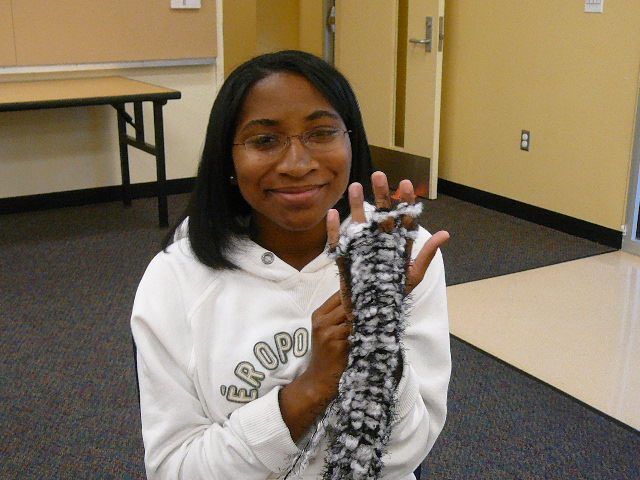
2 min read · 2 sourcesFinger knitting is a form of knitting where a knitted cord is created using only hands and fingers, instead of knitting needles or other traditional tools. 1
Uses
Though finger knitting may be performed by people of all ages, it is cited as a teaching tool for children because of its comparative simplicity in contrast to traditional knitting. It effectively demonstrates that knitting involves a series of loops strung together. Finger knitting may also be safely practiced on airplanes that prohibit knitting needles. 1
Records
Several world record attempts have been made with finger knitting. The current record, as acknowledged by the Guinness Book of World Records, is held by a German man who knitted a 4,321-metre (14,177 ft) strand in 2004. Ten days before the German record was set, 11-year-old Gemma Pouls of Hamilton, New Zealand, set the record with a 2,779.49-metre (9,119.1 ft), which weighed over 5 kg (11 lb). 1
The text above is adapted from the Wikipedia article “Finger knitting”, available under the Creative Commons Attribution-ShareAlike 4.0 licence. 1
finger knitting is form of knitting using the fingers, according to the structured record cited below. This entry was generated automatically from that record and has not yet been reviewed by a person familiar with the tradition. 2
The source record links this tradition to 3 external registers, which can be verified through the citation. 2