The tradition & historical record
6 min read · 2 sourcesFolklore of Italy refers to the folklore and urban legends of Italy. Within the Italian territory, various people have followed each other over time, each of which has left its mark on current culture. Some tales also come from Christianization, especially those concerning demons, which are sometimes recognized by Christian demonology. Italian folklore also includes the genre of the fairy tale (where the term itself was born), folk music, folk dance and folk heroes. 1
Figures and Heroes of Italian folklore
Below is a list of the folklore figures who have animated Italian folk tales since ancient Rome. 1
Traditional characters
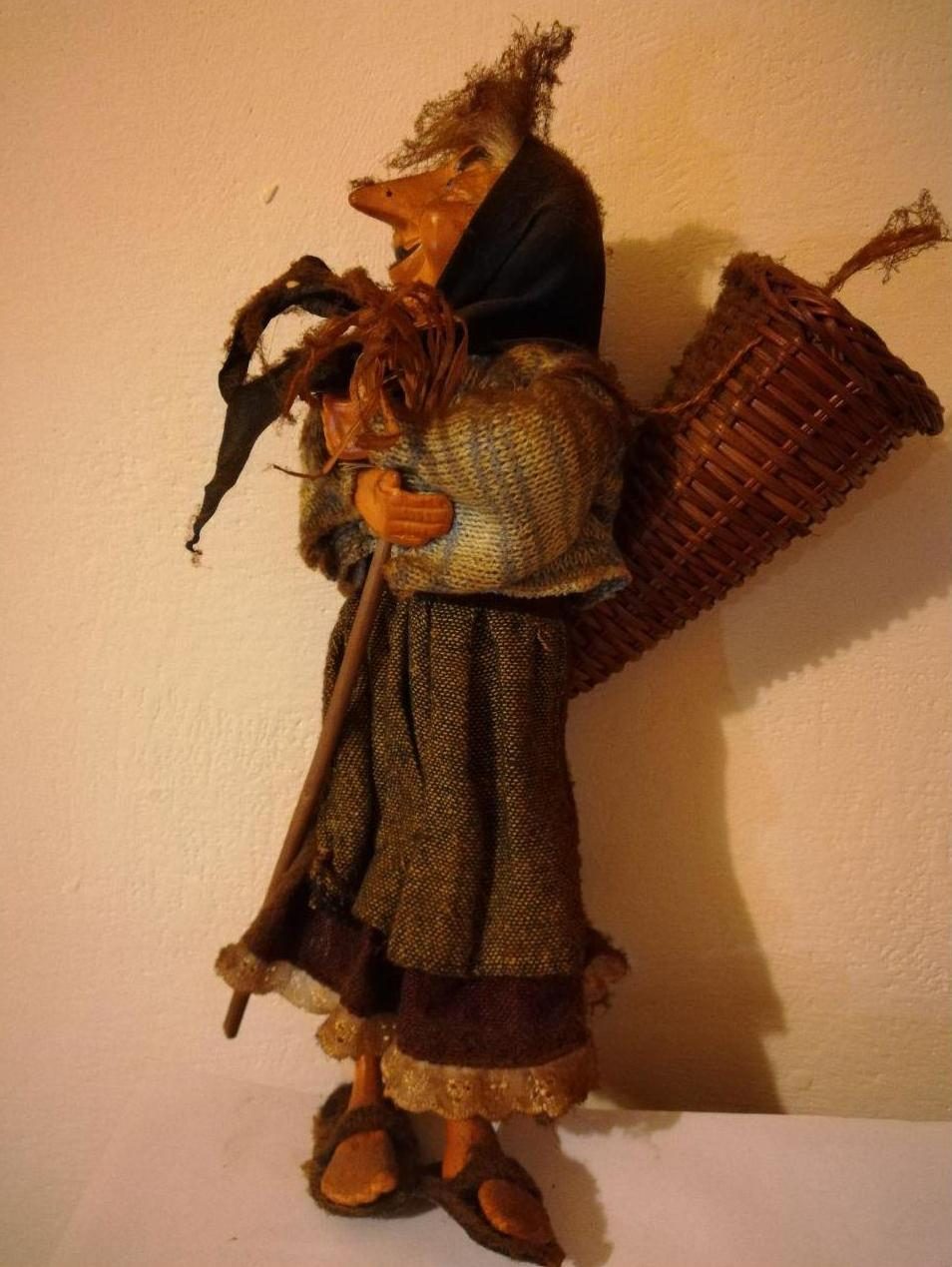
In Italian folklore, the Befana is an old woman who delivers gifts to children throughout Italy on Epiphany Eve (the night of January 5) in a similar way to Santa Claus or the Three Magi Kings. A popular belief is that her name derives from the Feast of Epiphany (Italian: Festa dell'Epifania). Santa Lucia is a holy woman who delivers gifts to children of Bergamo and province on 13 December, again like Santa Claus. 1
Alberto da Giussano is a legendary character of the 12th century who would have participated, as a protagonist, in the battle of Legnano on 29 May 1176. In reality, according to historians, the actual military leader of the Lombard League in the famous military battle with Frederick Barbarossa was Guido da Landriano. The Mommotti in the Sardinian tradition they represent an imaginary figure used to frighten children. Sometimes they are associated with the boogeyman or with an evil ogre and their job is to take away children who do not behave well. The Benandanti were linked to a pagan-shamanic peasant cult based on the fertility of the land widespread in Friuli around the 16th-17th century. These were small congregations that worked to protect villages and the crops from the evil intervention of witches. Segnature is a traditional Italian folk‑healing practice involving ritual gestures (literally “signs”) and sacred words to heal illness, remove curses such as the evil eye, protect individuals, and even influence natural forces like weather. Practitioners—known as Segnatori or Segnatrici—trace crosses or other symbolic marks on the body or objects while reciting secret prayers passed down through family or community lineages. 1
Witches
The Cogas or Bruxas, in Sardinian traditions, are witches with the appearance of an old woman, having the ability to assume any shape and size, both animal and vegetable or even of people; that's why they are dangerous. The Janare, in Benevento popular belief, especially in the peasant one, are the witches of Benevento whose terrible misdeeds are told. The Majare are the witches of the popular culture of Sicily. The Pantàsema is an ancient female figure linked to the agricultural rites of the pagan culture of Central Italy, particularly present in the Molise, Lazio, Abruzzo, Umbria e Marche territories. The witches of Valcamonica were persecuted between the 16th century in the Valcamonica. The Borda belong to the culture of the Emilia-Romagna and other areas of the Po Valley in Italy. It is a sort of witch that appears, blindfolded and horrible, both at night and on foggy days and kills anyone who has the misfortune to meet her. It is a personification of the fear related to swamps and marshlands, and to ponds and canals, invoked by adults to scare children and keep them away from such potentially dangerous places. The Masca is an important figure in Piedmontese folklore and popular belief, which attributes to her supernatural faculties handed down from mother to daughter or from grandmother to granddaughter. The Bàsura, a witch of Ligurian folklore whose tradition is widespread above all in the West, is bad, according to folklores. According to the legend, she is the witch who lives in the Toirano Caves (otherwise known as the Grotte della Strega, "caves of witch"); the legend developed when, after the discovery of the caves, all the labyrinths were closed, and the wind made strange noises. 1
Fairies
The Janas were the fairies of Sardinian folklore. They lived in the so-called Domus de Janas, which were actually rock-cut tombs. According to other legends, they lived on top of the nurhags and spent their time weaving with a gold loom. Some Domus de Janas can be visited in the coastal area of Villasimius near Riso Beach, not far from the marina. The Anguana or Agana or Longana is an aquatic nymph belonging to Alpine mythology, also widespread in Umbria, and which is also spoken of in the area of the Marmore Falls, in which it would live and/or refresh itself daily. There is also talk of this fairy in Abruzzo, Tuscany (in the area of the Tuscan-Emilian Apennines), in Veneto and in Emilia-Romagna. As an aquatic nymph it lives only in fresh waters, such as lakes, rivers, streams, waterfalls or streams. The Bella 'mbriana, in the popular belief of the Neapolitan people, is the spirit of the house. 1
Sprites
The Buffardello, a sprite present in the popular tradition of the province of Lucca and in particular of the Garfagnana but also of the Lunigiana in the province of Massa-Carrara. The Gnefro is a sprite of the popular culture of the city of Terni and the Valnerina. The Muddittu is a sprite of the popular culture of Sicily. The Mazzamurello or Mazzamaurello is a sprite of the folkloric-fairytale tradition of the Marche, Lazio and Abruzzo. The Laurieddu is a malignant sprite of the folkloric imaginary of Salento. The Lenghelo is a goblin or sprite present in the popular tradition of the Castelli Romani which has its roots in ancient Rome. The Linchetto is a sprite present in the popular tradition of the province of Lucca. The Mazapégul is a mischievous nocturnal elf in the folklore of Romagna, known for disrupting sleep and tormenting beautiful young girls. The Mazaròl is a sprite of the folkloric-fairytale tradition of Dolomiti. The Monachicchio is a sprite present in the popular tradition of Basilicata. The Monaciello is a legendary sprite from the ancient folklore of Naples. Monaciello, which means "little Monk" in Neapolitan, is typically a benevolent man, short and stocky, dressed in a long monk's robe with a broad hood. The Squasc is a mythological being from the folklore of eastern Lombardy. The Tummà is a sprite present in the popular tradition of Apulia. 1
The text above is adapted from the Wikipedia article “Folklore of Italy”, available under the Creative Commons Attribution-ShareAlike 4.0 licence. 1
folklore of Italy is popular tales and legends from Italy, according to the structured record cited below. This entry was generated automatically from that record and has not yet been reviewed by a person familiar with the tradition. 2
The source record links this tradition to 1 external register, which can be verified through the citation. 2