The tradition & historical record
6 min read · 2 sourcesA griot (; French: [ɡʁi.o]; Manding: jali or jeli (in N'Ko: ߖߋ߬ߟߌ, djeli or djéli in French spelling); also spelt Djali; Serer: paar or kevel or kewel / okawul; Wolof: gewel) is a West African historian, storyteller, praise singer, poet, and/or musician. Griots are masters of communicating stories and history orally, which is an African tradition. Instead of writing history books, oral historians tell stories of the past that they have memorized. Sometimes there are families of historians, and the oral histories are passed down from one generation to the next. Telling a story out loud allows the speaker to use poetic and musical conventions that entertain an audience. This has contributed to many oral histories surviving for hundreds of years without being written down. Through their storytelling, griots preserve and pass on the values of a tribe or people, such as the Senegalese. The Wolof people in Senegal depend on griots to learn about their culture. The griot is a repository of oral tradition and is often seen as a leader due to their position as an advisor to members of the royal family. As a result of the former of these two functions, they are sometimes called bards. They also act as mediators in disputes. 1
Etymology and terminology
The word may derive from the French transliteration guiriot of the Portuguese word criado, which is the masculine singular term for 'servant'. Griots are more predominant in the northern portions of West Africa. Despite the important role of the griot in African culture, difficult to pin down the word's origin; hence the variety of terms for griot in African languages. Griots are referred to by a number of names: ߖߋ߬ߟߌ jèli in northern Mande areas, jali in southern Mande areas, guewel in Wolof, paar or kevel or kewel or okawul in Serer, gawlo 𞤺𞤢𞤱𞤤𞤮 in Pulaar (Fula), iggawen in Hassaniyan, arokin in Yoruba, and diari or gesere in Soninke. Some of these may derive from Arabic قَول qawl, 'a saying, statement'. The Manding term ߖߋߟߌߦߊ jeliya (meaning 'musicianhood') sometimes refers to the knowledge of griots, indicating the hereditary nature of the class. Jali comes from the root word ߖߊߟߌ jali or djali ('blood'). This is also the title given to griots in regions within the former Mali Empire. Though the term griot is more common in English, some, such as poet Bakari Sumano, prefer the term jeli. Today, the term and spelling djali is often preferred, as noted by American poet Amiri Baraka and Congolese filmmaker Balufu Bakupa-Kanyinda. 1
Role
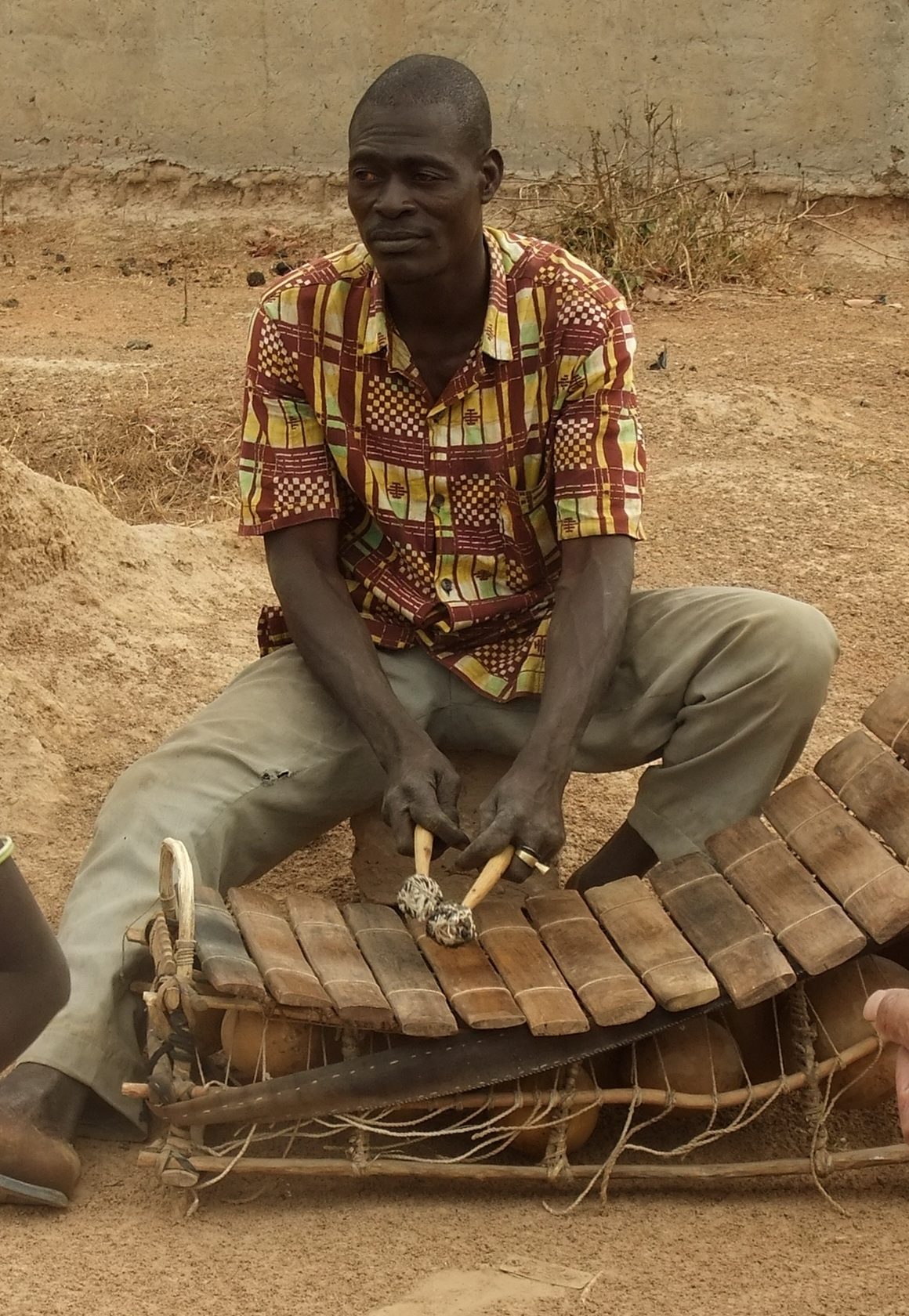
Historically, Griots form an endogamous professionally specialised group or caste, meaning that most of them only marry fellow griots, and pass on the storytelling tradition down the family line. In the past, a family of griots would accompany a family of kings or emperors, who were superior in status to the griots. All kings had griots, and all griots had kings, and most villages also had their own griot. A village griot would relate stories of topics including births, deaths, marriages, battles, hunts, affairs, and other life events. Griots have the main responsibility for keeping stories of the individual tribes and families alive in the oral tradition, with the narrative accompanied by a musical instrument. They are an essential part of many West African events such as weddings, where they sing and share family history of the bride and groom. It is also their role to settle disputes and act as mediator in case of conflicts. Respect for and familiarity with the griot meant that they could approach both parties without being attacked, and initiate peace negotiations between the hostile parties. 1
Francis Bebey writes about the griot in African Music, A People's Art:The West African griot is a troubadour, the counterpart of the medieval European minstrel... The griot knows everything that is going on... He is a living archive of the people's traditions... The virtuoso talents of the griots command universal admiration. This virtuosity is the culmination of long years of study and hard work under the tuition of a teacher who is often a father or uncle. The profession is by no means a male prerogative. 1
Women griotes (Griottes)
Women griots, who are often referred to as griottes (Jelimusow in Mande languages), play a central role in Mande and other West African oral traditions. Similar to the men, they are typically born into hereditary griot families and trained from a young age. However, there has been a lack of research on Griottes as African Studies tended to be marked by the male point of view. The research that exists explains how, although epic narration has often been described as a male domain, knowledge of epic traditions is not strictly limited by gender. In many performances, men usually narrate the historical framework of epics while women sing the praise songs and embody the visual aspect. Griottes are involved in community ceremonies that range from weddings, naming rituals, and public commemorations. During weddings, it is tradition that griottes dress the bride, accompany her during rituals, and sing praise songs that publicly affirm the social connection between the families. The wedding songs griottes sing often include moral guidance and social instruction as they advise brides what is expected of them in marriage. Therefore, griottes often reaffirm existing social expectations, leading to their traditions getting passed down each generation. Despite their limitations beyond singing and performance, some griottes have achieved recognition as masters of verbal art. The title "ngara" (or naaraa) signifies high achievement in historical knowledge and verbal performance. While this is a term usually given to men, women have also received it as recognition that depends on skill rather than gender. Women griots (Jelimusow) demonstrate their authority through embodied performance. 1
Apprenticeship and training systems
Griot traditions are passed on from generation to generation through a hereditary apprenticeship systems in which knowledge is passed on in families. Children born into jeli families are raised from an early age in verbal art, music, and genalogy. Musicianship in griot families is considered to be inherited and not learned, thus emphasizing the hereditary aspect of the griot role. They learn through observation, repetition, and guided participation in performances instead of through a classroom approach. Musical training in Mande culture is different from that in Western conservatories as students practice short repeated passages of actual pieces of music instead of exercises or technical drills. These segments then serve as examples of larger compositions and are repeated and expanded to build technical complexity and variation. Oral transmission is not only memorization but also on interpretation and adaptation as well. 1
In the Mali Empire
The Mali Empire (Malinke Empire), at its height in the middle of the 14th century, extended from central Africa (today's Chad and Niger) to West Africa (today's Mali, Burkina Faso and Senegal). 1
The text above is adapted from the Wikipedia article “Griot”, available under the Creative Commons Attribution-ShareAlike 4.0 licence. 1
griot is storyteller of oral tradition in West Africa, according to the structured record cited below. This entry was generated automatically from that record and has not yet been reviewed by a person familiar with the tradition. 2
The source record links this tradition to 24 external registers, which can be verified through the citation. 2