The tradition & historical record
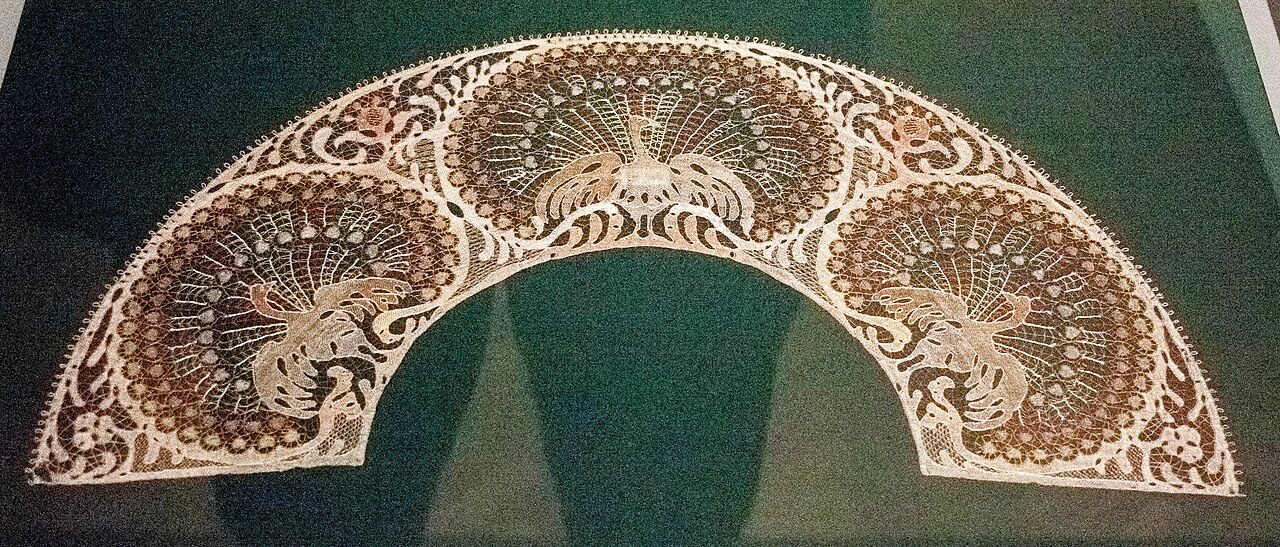
1 min read · 2 sourcesHalas lace is a type of needle lace. It first appeared in 1902 in the town of Kiskunhalas, Hungary, colloquially known as "Halas". Invention of the lace style is attributed to designer Arpád Dékáni. The lace was typically soft orange, pale green and yellow in colouring. Árpád Dékáni and Mária Markovits are credited with developing Halas lace. Initially, Dékáni did all of the design work while Markovits executed the designs, using silk thread. 1
The text above is adapted from the Wikipedia article “Halas lace”, available under the Creative Commons Attribution-ShareAlike 4.0 licence. 1
Halas lace is Hungarian needle lace, according to the structured record cited below. This entry was generated automatically from that record and has not yet been reviewed by a person familiar with the tradition. 2
The source record links this tradition to 2 external registers, which can be verified through the citation. 2