The tradition & historical record
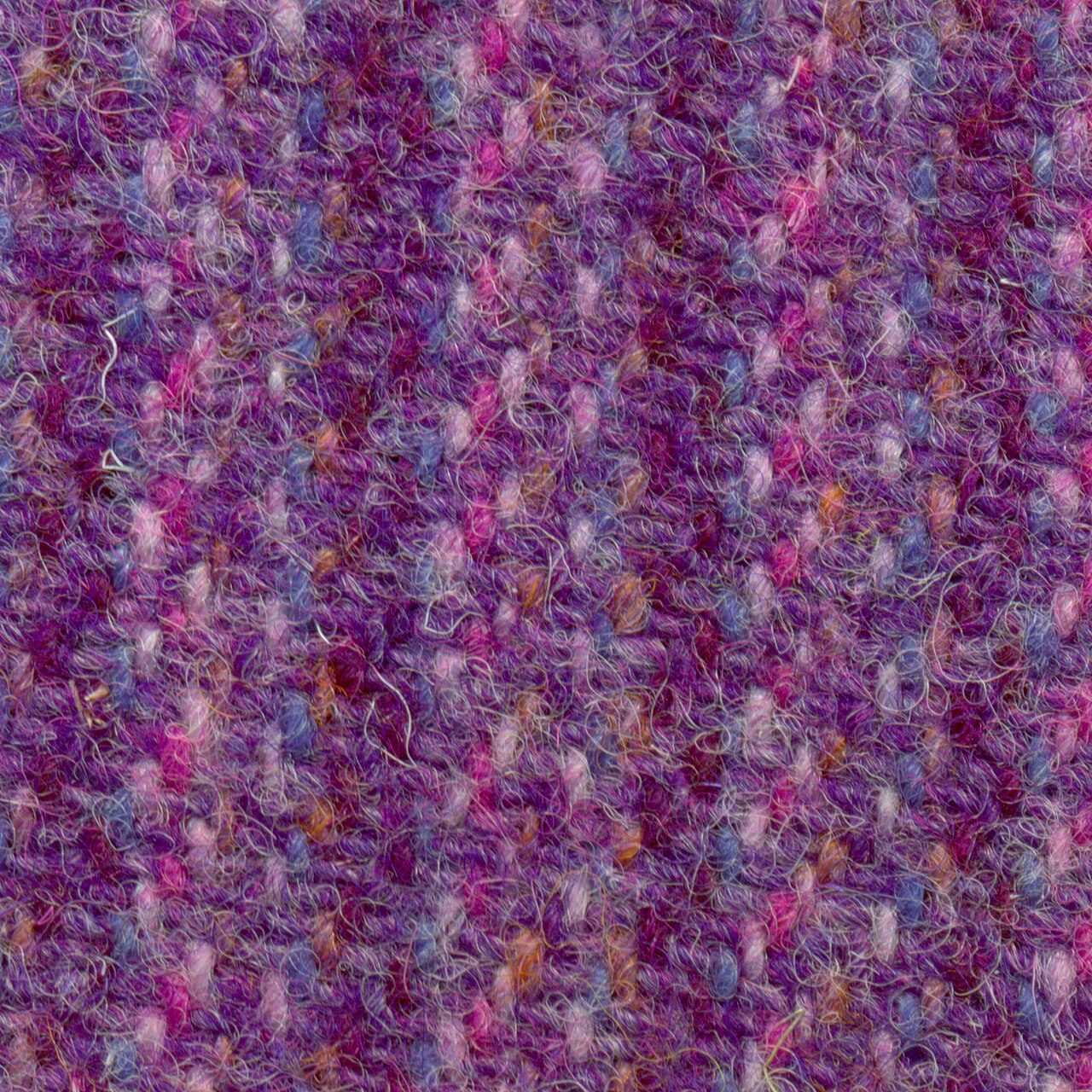
6 min read · 2 sourcesHarris tweed (Scottish Gaelic: Clò mór or Clò hearach) is a tweed cloth that is handwoven by islanders at their homes in the Outer Hebrides of Scotland, finished in the Outer Hebrides, and made from pure virgin wool dyed and spun in the Outer Hebrides. This definition, quality standards and protection of the Harris tweed name are enshrined in the Harris Tweed Act 1993. 1
Etymology
The original name of tweed fabric was "tweel", the Scots word for twill, as the fabric was woven in a twill weave rather than a plain (or tabby) weave. A number of theories exist as to how and why "tweel" became corrupted into "tweed"; in one, a London merchant in the 1830s, upon receiving a letter from a Hawick firm inquiring after "tweels", misinterpreted the spelling as a trade name taken from the River Tweed, which flows through the Scottish Borders. Subsequently, the goods were advertised as "tweed", the name used ever since. 1
History
For centuries, the islanders of Lewis and Harris, the Uists, Benbecula and Barra wove cloth known as clò-mòr (lit. 'big cloth' in Scottish Gaelic) by hand. Originally woven by crofters, this cloth was woven for personal and practical uses and was ideal protection against the often cold climate of northern Scotland. The cloth was also used for trade or barter, eventually becoming a form of currency amongst islanders; it was not unusual for rents to be paid in blankets or lengths of clò-mòr. By the end of the 18th century, the spinning of wool yarn from local raw materials had become a staple industry for crofters. Finished handmade cloth was exported to the Scottish mainland and traded, along with other commodities produced by the Islanders, such as goat and deer skins. 1
As the Industrial Revolution reached Scotland, mainland manufacturers developed mechanised weaving methods, with weavers in the Outer Hebrides retaining their traditional processes. The islanders of Lewis and Harris had long been known for the quality of their handwoven fabrics, but up to the middle of the nineteenth century, this fabric was produced mainly for either home use or for trade and barter at the local market. When Alexander Murray, 6th Earl of Dunmore, inherited the North Harris Estate from his father in 1836, production of tweed in Outer Hebrides was still entirely manual. Wool was washed in soft, peaty water before being dyed using dyestuffs derived from local plants and lichens. 1
Harris Tweed Authority
As the demand for Harris tweed expanded in the first decade of the 20th century, there was an influx of weavers into the industry seeking a wage and soon a poorer quality tweed was being made by inexperienced weavers from imported, mainland mill-spun yarn, giving rise to the pejorative name of 'Stornoway tweed'. This inferior tweed affected the market for traditional Harris tweed made by experienced weavers from hand-spun yarn. Legal protection of the name of Harris tweed by a trade mark and an established standard definition became essential. Groups of merchants in both Lewis and Harris applied to the Board of Trade for a registered trade mark. When this trade mark, the Orb, was eventually granted, the board insisted that it should be granted to all the islands of the Outer Hebrides i.e. to Lewis, North and South Uist, Benbecula and Barra, as well as to Harris, the rationale for this decision being that the tweed was made in exactly the same way in all those islands. In 1909, after much negotiation and a degree of acrimony from merchants in Harris who felt that the trade mark should have been granted exclusively to Harris, the Orb Trade Mark was granted. The Harris Tweed Association, a voluntary body, was formed to protect both the use of the Orb Trade Mark and to protect the use of the name ‘Harris tweed’ from imitations. The original definition attached to the Orb Trade Mark stated that: Harris tweed means a tweed, hand-spun, hand-woven and dyed by the crofters and cottars in the Outer Hebrides. In 1993, a new statutory body to guard the Orb Trade Mark, the Harris Tweed Authority, replaced the original Harris Tweed Association. 1
Harris tweed mills
There are three mills operating on the islands, each with a public-facing company associated with them. The companies handle marketing, sales, customer service and distribution of Harris tweed to customers while their mills handle certain aspects of the production process. 1
The Kenneth Mackenzie Ltd mill, located in Stornoway, is the oldest of the current [as of when?] producers in the Outer Hebrides and has been making Harris tweed since 1906. Since 2019 the mill has been owned by Alexander Lockerby, who had previously managed the mill. The Carloway Mill is an independent wholesale producer of Harris tweed in the village of Carloway and the smallest of the three existing Harris Tweed textile mills. It uses traditional craft machinery to produce a unique, individualistic and bespoke Harris tweed cloth. The mill owners announced in January 2016 that they were seeking a buyer for the business and as such the future of the mill was uncertain. Harris Tweed Hebrides, who reopened a disused mill in Shawbost in November 2007. The main shareholder in the company is Ian Taylor, a Scottish businessman who had spent thirty years in the oil industry. 1
Weavers
All weavers are self-employed and can work as a 'mill weaver' commissioned by any of the three mills or as an 'independent weaver' making and selling their own cloth, sometimes on private commission. Mill weavers are supplied with beamed warps and yarn directly from the mills along with instructions on how the cloth must be woven. Once the tweed is woven, it is collected by the mill for finishing and stamping, and is then sold by the mill. Independent weavers on the other hand must purchase yarn from the mills and warp it themselves, often to their own design. The independent weaver then sends their woven cloth to the mill for finishing and stamping (which they pay for as a service) before it is returned to the weaver to sell for themselves. A weaver can work both as a mill weaver and an independent weaver. Harris Tweed Industry Liaison Group meets regularly to discuss issues facing the industry and consists of a range of interested parties such as mill owners, weaver representatives, HTA officials, funding bodies, local council members, buyers and other industry figures. 1
The text above is adapted from the Wikipedia article “Harris tweed”, available under the Creative Commons Attribution-ShareAlike 4.0 licence. 1
Harris Tweed is type of handwoven cloth, according to the structured record cited below. This entry was generated automatically from that record and has not yet been reviewed by a person familiar with the tradition. 2
The source record links this tradition to 3 external registers, which can be verified through the citation. 2