The tradition & historical record
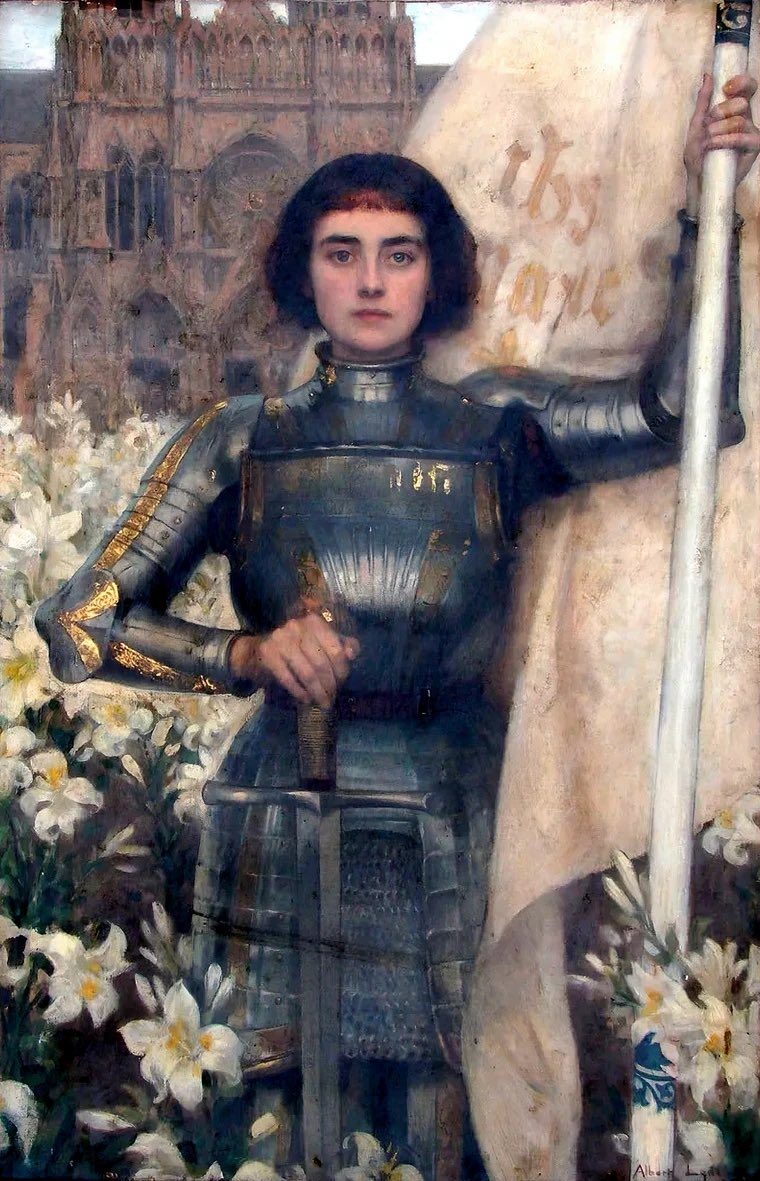
6 min read · 2 sourcesA hero (feminine: heroine) is a real person or fictional character who, in the face of danger, combats adversity through feats of ingenuity, courage, or strength. The original hero type of classical epics did such things for the sake of glory and honor. Post-classical and modern heroes, on the other hand, perform great deeds or selfless acts for the common good instead of the classical goals of wealth, pride, and fame. The antonym of hero is villain. Other terms associated with the concept of hero may include good guy or white hat. In classical literature, the hero is the main or revered character in heroic epic poetry celebrated through ancient legends of a people, often striving for military conquest and living by a continually flawed personal honor code. The definition of a hero has changed throughout time. Merriam Webster dictionary defines a hero as "a person who is admired for great or brave acts or fine qualities". Examples of heroes range from mythological figures, such as Gilgamesh and Iphigenia, to historical and modern figures, such as Joan of Arc, Giuseppe Garibaldi, Sophie Scholl, Alvin York, Audie Murphy, and Chuck Yeager, and fictional "superheroes", including Superman, Batman, Spider-Man, and Wonder Woman. 1
Etymology
The word hero comes from the Greek ἥρως (hērōs), "hero" particularly one such as Heracles with divine ancestry or later given divine honors. Before the decipherment of Linear B the original form of the word was assumed to be *ἥρωϝ-, hērōw-, but the Mycenaean compound ti-ri-se-ro-e demonstrates the absence of -w-. According to The American Heritage Dictionary of the English Language, the Proto-Indo-European root is *ser meaning "to protect". According to Eric Partridge in Origins, the Greek word hērōs "is akin to" the Latin seruāre, meaning to safeguard. Partridge concludes, "The basic sense of both Hera and hero would therefore be 'protector'." R. S. P. Beekes rejects an Indo-European derivation and asserts that the word has a pre-Greek origin. Hera was a Greek goddess with many attributes, including protection and her worship appears to have similar proto-Indo-European origins. The female term heroine was taken from the Latin word heroina, from Greek hērōinē, feminine of hērōs. Its first use in the English language, however, was in 1587 to denote of strong and well-abled women of divine origins, as seen in myths and legends. 1
Antiquity
A classical hero is considered to be a "warrior who lives and dies in the pursuit of honor" and asserts their greatness by "the brilliance and efficiency with which they kill". Each classical hero's life focuses on fighting, which occurs in war or during an epic quest. Classical heroes are commonly semi-divine and extraordinarily gifted, such as Achilles, evolving into heroic characters through their perilous circumstances. While these heroes are incredibly resourceful and skilled, they are often foolhardy, court disaster, risk their followers' lives for trivial matters, and behave arrogantly in a childlike manner. During classical times, people regarded heroes with the highest esteem and utmost importance, explaining their prominence within epic literature. The appearance of these mortal figures marks the evolution of audiences and writers turning away from immortal gods to mortal mankind, whose heroic moments of glory survive in the memory of their descendants, extending their legacy. 1
Hector was a Trojan prince and the greatest fighter for Troy in the Trojan War, which is known primarily through Homer's Iliad. Hector acted as leader of the Trojans and their allies in the defense of Troy, "killing 31,000 Greek fighters". Hector was known not only for his courage, but also for his noble and courtly nature. Indeed, Homer places Hector as peace-loving, thoughtful, as well as bold, a good son, husband and father, and without darker motives. However, his familial values conflict greatly with his heroic aspirations in the Iliad, as he cannot be both the protector of Troy and a father to his child. 1
Myth and monomyth
The concept of the "Mythic Hero Archetype" was first developed by Lord Raglan in his 1936 book, The Hero, A Study in Tradition, Myth and Drama. It is a set of 22 common traits that he said were shared by many heroes in various cultures, myths, and religions throughout history and worldwide. Raglan argued that the higher the score, the more likely the figure is mythical. 1
The concept of a story archetype of the standard monomythical "hero's quest" that was reputed to be pervasive across all cultures is somewhat controversial. Expounded mainly by Joseph Campbell in his 1949 work The Hero with a Thousand Faces, it illustrates several uniting themes of hero stories that hold similar ideas of what a hero represents despite vastly different cultures and beliefs. The monomyth or Hero's Journey consists of three separate stages: the Departure, Initiation, and Return. Within these stages, there are several archetypes that the hero of either gender may follow, including the call to adventure (which they may initially refuse), supernatural aid, proceeding down a road of trials, achieving a realization about themselves (or an apotheosis), and attaining the freedom to live through their quest or journey. Campbell offered examples of stories with similar themes, such as Krishna, Buddha, Apollonius of Tyana, and Jesus. 1
Slavic fairy tales
Vladimir Propp, in his analysis of Russian fairy tales, concluded that a fairy tale had only eight dramatis personæ, of which one was the hero, and his analysis has been widely applied to non-Russian folklore. The actions that fall into such a hero's sphere include: 1
Departure on a quest Reacting to the test of a donor Marrying a princess (or similar figure) Propp distinguished between seekers and victim-heroes. A villain could initiate the issue by kidnapping the hero or driving him out; these were victim-heroes. On the other hand, an antagonist could rob the hero, or kidnap someone close to him, or, without the villain's intervention, the hero could realize that he lacked something and set out to find it; these heroes are seekers. Victims may appear in tales with seeker heroes, but the tale does not follow them both. 1
Historical studies
The philosopher Hegel gave a central role to the "hero", personalized by Napoleon, as the incarnation of a particular culture's Volksgeist and thus of the general Zeitgeist. Thomas Carlyle's 1841 work, On Heroes, Hero-Worship, & the Heroic in History, also accorded an essential function to heroes and great men in history. Carlyle centered history on the biographies of individuals, as in Oliver Cromwell's Letters and Speeches and History of Frederick the Great. His heroes were not only political and military figures, the founders or topplers of states, but also religious figures, poets, authors, and captains of industry. Explicit defenses of Carlyle's position were rare in the second part of the 20th century. 1
The text above is adapted from the Wikipedia article “Hero”, available under the Creative Commons Attribution-ShareAlike 4.0 licence. 1
hero is person who fights adversity through ingenuity, courage, or strength to help others, according to the structured record cited below. This entry was generated automatically from that record and has not yet been reviewed by a person familiar with the tradition. 2
The source record links this tradition to 42 external registers, which can be verified through the citation. 2