The tradition & historical record
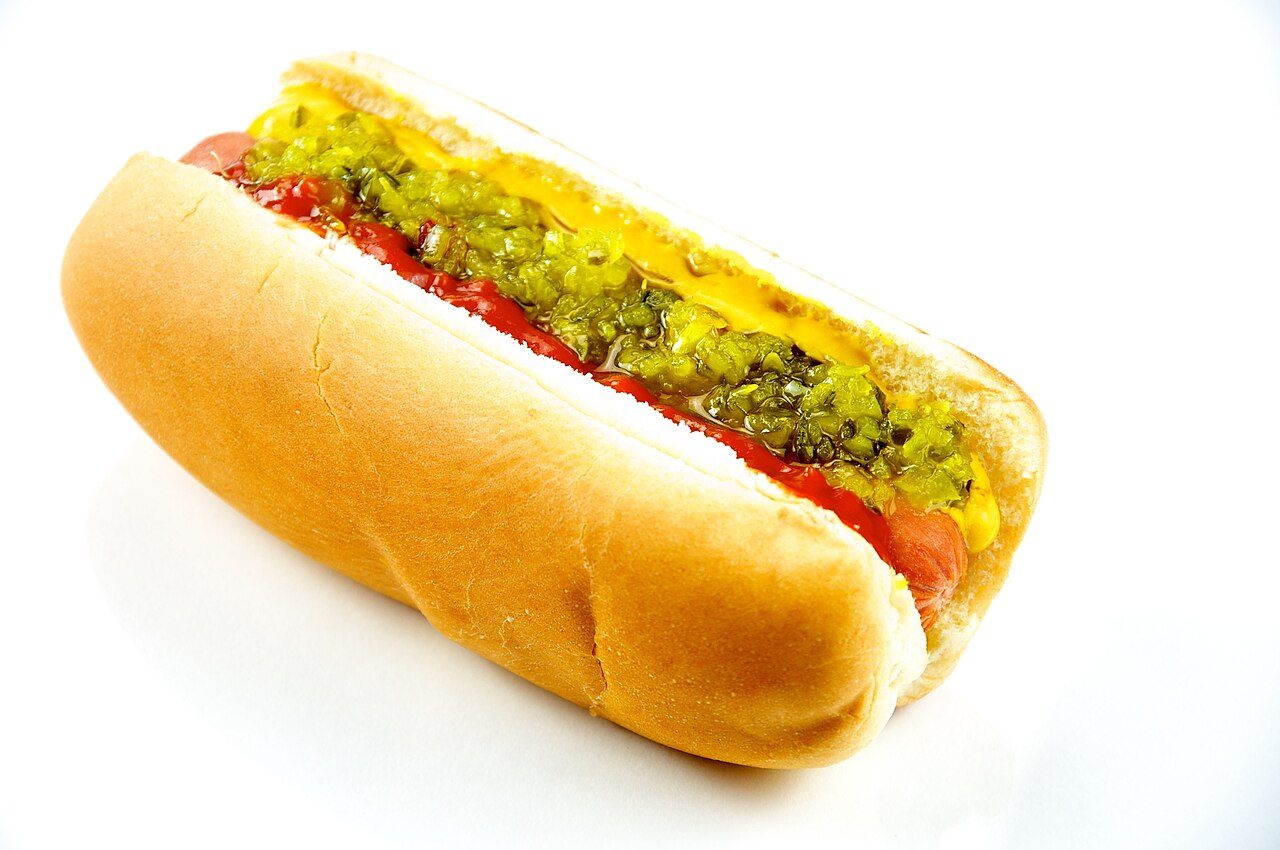
5 min read · 2 sourcesA hot dog is a grilled, steamed, or boiled sausage served in the slit of a partially sliced bun. The term hot dog can also refer to the sausage itself. The sausage used is a wiener (Vienna sausage) or a frankfurter (Frankfurter Würstchen, also just called frank). The names of these sausages commonly refer to their assembled dish. Hot dog preparation and condiments vary worldwide. Common condiments include mustard, ketchup, relish, onions in tomato sauce, and cheese sauce. Other toppings include sauerkraut, jalapeños, chili, grated cheese, coleslaw, bacon and olives. Hot dog variants include the corn dog and pigs in a blanket. These types of sausages were culturally imported from Germany and became popular in the United States. It became a working-class street food in the U.S., sold at stands and carts. The hot dog has become closely associated with baseball and American culture. Although particularly connected with New York City and its cuisine, the hot dog eventually became ubiquitous throughout the US during the 20th century. Its preparation varies regionally in the country, emerging as an important part of other regional cuisines, including Chicago street cuisine. 1
History
The word frankfurter comes from Frankfurt, Germany, where pork sausages similar to hot dogs originated. These sausages, Frankfurter Würstchen, were known since the 13th century and given to the people on the event of imperial coronations, starting with the coronation of Maximilian II, Holy Roman Emperor, as King. "Wiener" refers to Vienna, Austria (German: Wien), home to a sausage made of a mixture of pork and beef. Johann Georg Lahner, an 18th/19th century butcher from the Franconian city of Coburg, is said to have brought the Frankfurter Würstchen to Vienna, where he added beef to the mixture and simply called it Frankfurter. Nowadays, in German-speaking countries, except Austria, hot dog sausages are called Wiener or Wiener Würstchen (Würstchen means "little sausage"), to differentiate them from the original pork-only mixture from Frankfurt. In Swiss German, it is called Wienerli, while in Austria the terms Frankfurter or Frankfurter Würstel are used. 1
It is not definitively known who started the practice of serving the sausage in the bun. One of the strongest claims comes from Harry M. Stevens who was a food concessionaire. The claim is that, while working at the New York Polo Grounds in 1901, he came upon the idea of using small French rolls to hold the sausages when the waxed paper they were using ran out. A German immigrant named Feuchtwanger, from Frankfurt, in Hesse, allegedly pioneered the practice in the American Midwest; there are several versions of the story with varying details. According to one account, Feuchtwanger's wife proposed the use of a bun in 1880: Feuchtwanger sold hot dogs on the streets of St. Louis, Missouri, and provided gloves to his customers so that they could handle the sausages without burning their hands. 1
Etymology
The term dog has been used as a synonym for sausage since the 1800s, possibly from accusations that sausage makers used dog meat in their sausages. In Germany the consumption of dog meat was common in Saxony, Silesia, Anhalt, and Bavaria during the 19th and 20th centuries. Hot dogs occasionally contained it. An early use of the term hot dog in reference to the sausage-meat appears in 1884: 1
even the innocent "wienerworst" man will be barred from dispensing hot dog on the street corner. It was used to mean a sausage in casing in 1892: 1
the "hot dog" was quickly inserted in a gash in a roll and in other newspapers in 1893. This makes the legend that hot dog was coined by the newspaper cartoonist Thomas Aloysius "Tad" Dorgan around 1900 impossible; Dorgan's earliest documented use of hot dog was in 1906. 1
Ingredients
Common hot dog sausage ingredients include: 1
Meat trimmings and fat Flavorings, such as salt, garlic, and paprika Preservatives (cure) – typically sodium erythorbate and sodium nitrite Pork and beef are the traditional meats used in hot dogs. Less expensive hot dogs are often made from chicken or turkey, using low-cost mechanically separated poultry. Changes in meat technology and dietary preferences have led manufacturers to lower the salt content and use turkey, chicken, and vegetarian meat substitutes. 1
Commercial preparation
Hot dogs are prepared commercially by mixing the ingredients (meats, spices, binders and fillers) in vats where rapidly moving blades grind and mix the ingredients in the same operation. This mixture is forced through tubes into casings for cooking. Most hot dogs sold in the US are "skinless" rather than "natural casing" sausages. 1
Natural casing
As with most sausages, hot dogs must be in a casing to be cooked. Traditional casing is made from the small intestines of sheep. The products are known as "natural casing" hot dogs or frankfurters. These hot dogs have firmer texture and a "snap" that releases juices and flavor when the product is bitten. Kosher casings are expensive in commercial quantities in the US, so kosher hot dogs are usually skinless or made with reconstituted collagen casings. 1
The text above is adapted from the Wikipedia article “Hot dog”, available under the Creative Commons Attribution-ShareAlike 4.0 licence. 1
hot dog is sausage in bun, usually with toppings, according to the structured record cited below. This entry was generated automatically from that record and has not yet been reviewed by a person familiar with the tradition. 2
The source record links this tradition to 34 external registers, which can be verified through the citation. 2