The tradition & historical record
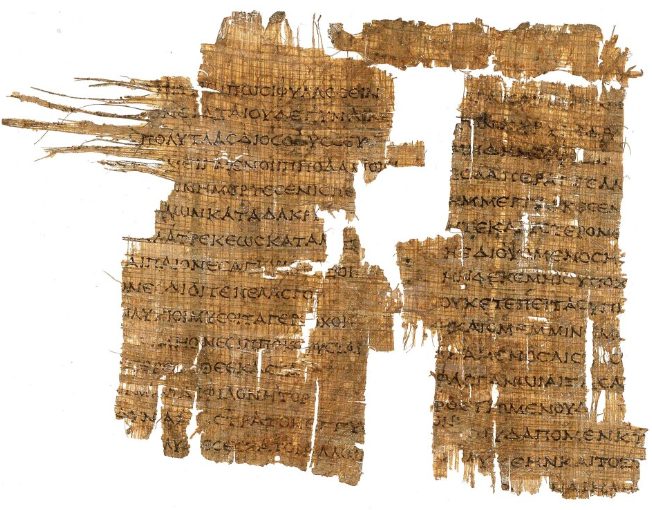
7 min read · 2 sourcesThe Iliad ( ILL-ee-əd; Ancient Greek: Ἰλιάς, romanized: Iliás [iːliás]; lit. '[a poem] about Ilion (Troy)') is one of two major surviving ancient Greek epic poems, along with the Odyssey, attributed to Homer. It is one of the oldest extant works of literature still widely read by modern readers. Like the Odyssey, the poem is divided into 24 books and was written in dactylic hexameter. It contains 15,693 lines in its standard edition. The Iliad is often regarded as the first substantial piece of European literature and is central to the study of classical philology. Set towards the end of the Trojan War, a 10-year siege of the city of Troy by a coalition of Mycenaean Greek states, the poem depicts significant events in the war's final weeks. It focuses primarily on Achilles, a celebrated warrior, whose wrath (mēnis) is the driving force of the narrative, from his fierce quarrel with the king of Mycenae, Agamemnon, to his killing of the Trojan prince Hector. The narrative moves between wide battleground scenes and more personal interactions. Contrary to popular belief, the Iliad does not depict the fall of Troy nor mention the Trojan Horse used by the Greeks to conquer the city; these elements are attributed to later sources. The Iliad and the Odyssey were likely composed in Homeric Greek, a literary mixture of Ionic Greek and other dialects, sometime between the late 8th to early 7th century. 1
Exposition (Books 1–4)
Source: 1
The story begins with an invocation to the Muse. The events take place towards the end of the Trojan War, fought between the Trojans and the besieging Achaeans (Homer interchangeably refers to the Greeks as "Achaeans", "Argives" or "Danaans"). The Achaean forces consist of armies from many different Greek kingdoms, led by their respective kings or princes. Agamemnon, king of Mycenae, acts as commander for these united armies. After nine years of fighting, the Achaeans had sacked some towns allied with Troy, and captured two maidens, Chryseis and Briseis. Agamemnon, the leader, took Chryseis as his concubine; Achilles, the Achaeans' greatest warrior, took Briseis. Chryses, father of Chryseis and a priest of Apollo, offered Agamemnon a large ransom for the return of his daughter. Agamemnon refused, against the wishes of the other Achaeans, and insulted the priest. The priest asks Apollo for vengeance, and Apollo inflicts a plague upon the Achaeans to punish them for the rudeness of Agamemnon to his priest. After nine days of plague, Achilles, the leader of the Myrmidon forces and aristos achaion ("best of the Greeks"), calls for an assembly. Under pressure, Agamemnon agrees to return Chryseis to her father but decides to take Achilles's slave, Briseis, as compensation. Viewing Agamemnon's decision as a huge dishonour in front of the assembled Achaean forces, Achilles furiously declares that he and his men will no longer fight for Agamemnon. Odysseus returns Chryseis to her father, causing Apollo to end the plague. In the meantime, Agamemnon's messengers take Briseis away. Achilles becomes very upset and prays to his mother, Thetis, a minor goddess and sea nymph. 1
Duels of Greek and Trojan Heroes (Books 5–7)
Source: In the fighting, Diomedes kills many Trojans, including Pandarus, and defeats Aeneas. Aphrodite rescues Aeneas before he can be killed, but Diomedes attacks her and wounds the goddess's wrist. Apollo faces Diomedes and warns him against warring with gods, which Diomedes ignores. Apollo sends Ares to defeat Diomedes. Many heroes and commanders join in, including Hector, and the gods supporting each side try to influence the battle. Emboldened by Athena, Diomedes wounds Ares and puts him out of action. Hector rallies the Trojans and prevents a rout. Diomedes and the Trojan Glaucus find common ground after a duel and exchange unequal gifts, sparked by Glaucus's story of Bellerophon. Hector enters the city, urging his mother Hecuba to perform prayers and sacrifices, inciting Paris to battle, and bidding his wife Andromache and son Astyanax farewell on the city walls. He then rejoins the battle. Hector duels with Ajax, but nightfall interrupts the fight, and both sides retire. The Trojans quarrel about returning Helen to the Achaeans. Paris offers to return the treasure he took and give further wealth as compensation, but not Helen, and the offer is refused. Both sides agree to a day's truce to bury the dead. The Achaeans also build a wall and trench to protect their camp and ships. 1
The Rout of the Greeks (Books 8–15)
Source: 1
The next morning, Zeus prohibits the gods from interfering, and fighting begins anew. The Trojans prevail and force the Achaeans back to their wall. Hera and Athena are forbidden to help. Night falls before the Trojans can assail the Achaean wall. They camp in the field to attack at first light, and their watchfires light the plain like stars. Meanwhile, the Achaeans are desperate. Agamemnon admits his error and sends an embassy composed of Odysseus, Ajax, and Phoenix to offer Briseis and extensive gifts to Achilles, if he will return to the fighting. Achilles and his companion Patroclus receive the embassy, yet Achilles angrily refuses the offer, considering the slight to his honour too great. He declares that he will return to battle only if the Trojans reach his ships and threaten them with fire. The embassy returns, unsuccessful. Later that night, Odysseus and Diomedes venture out to the Trojan lines, kill the Trojan Dolon, and wreak havoc in the camp of some Thracian allies of Troy. In the morning, the fighting is fierce, and Agamemnon, Diomedes, and Odysseus are all wounded. Achilles sends Patroclus from his camp to inquire about the Achaean casualties, and while there, Patroclus is moved to pity by a speech by Nestor. Nestor asks Patroclus to beg Achilles to rejoin the fighting, or if he will not, to lead the army himself wearing Achilles's armor. The Trojans attack the Achaean wall on foot. Hector leads the terrible fighting, despite an omen that their charge will fail. The Achaeans are overwhelmed and routed, the wall's gate is broken, and Hector charges in. The Achaeans fall back to their ships. Poseidon pities the Achaeans and decides to disobey Zeus and help them. He rallies the Achaeans' spirits, and they begin to push the Trojans back. 1
The Death of Patroclus (Books 16–18)
Source: 1
Patroclus cannot stand to watch any longer and goes to Achilles, weeping. He admonishes him for his stubbornness and then asks him to allow him to fight in his place, wearing Achilles's armor so that he will be mistaken for him. Achilles relents and lends Patroclus his armor but sends him off with a stern warning to come back once the Trojans have been pushed back and not to pursue them to the walls. Achilles says that after all has been made right, he and Patroclus will take Troy together. Patroclus leads the Myrmidons into battle and arrives as the Trojans set fire to the first ships. The Trojans are routed by the sudden onslaught, and Patroclus begins his assault by killing Zeus's son Sarpedon, a leading ally of the Trojans. 1
The Rage of Achilles (Books 19–24)
Source: 1
In the morning, Thetis brings Achilles his ne… 1
The text above is adapted from the Wikipedia article “Iliad”, available under the Creative Commons Attribution-ShareAlike 4.0 licence. 1
Iliad is epic poem attributed to Homer, according to the structured record cited below. This entry was generated automatically from that record and has not yet been reviewed by a person familiar with the tradition. 2
The source record links this tradition to 71 external registers, which can be verified through the citation. 2