The tradition & historical record
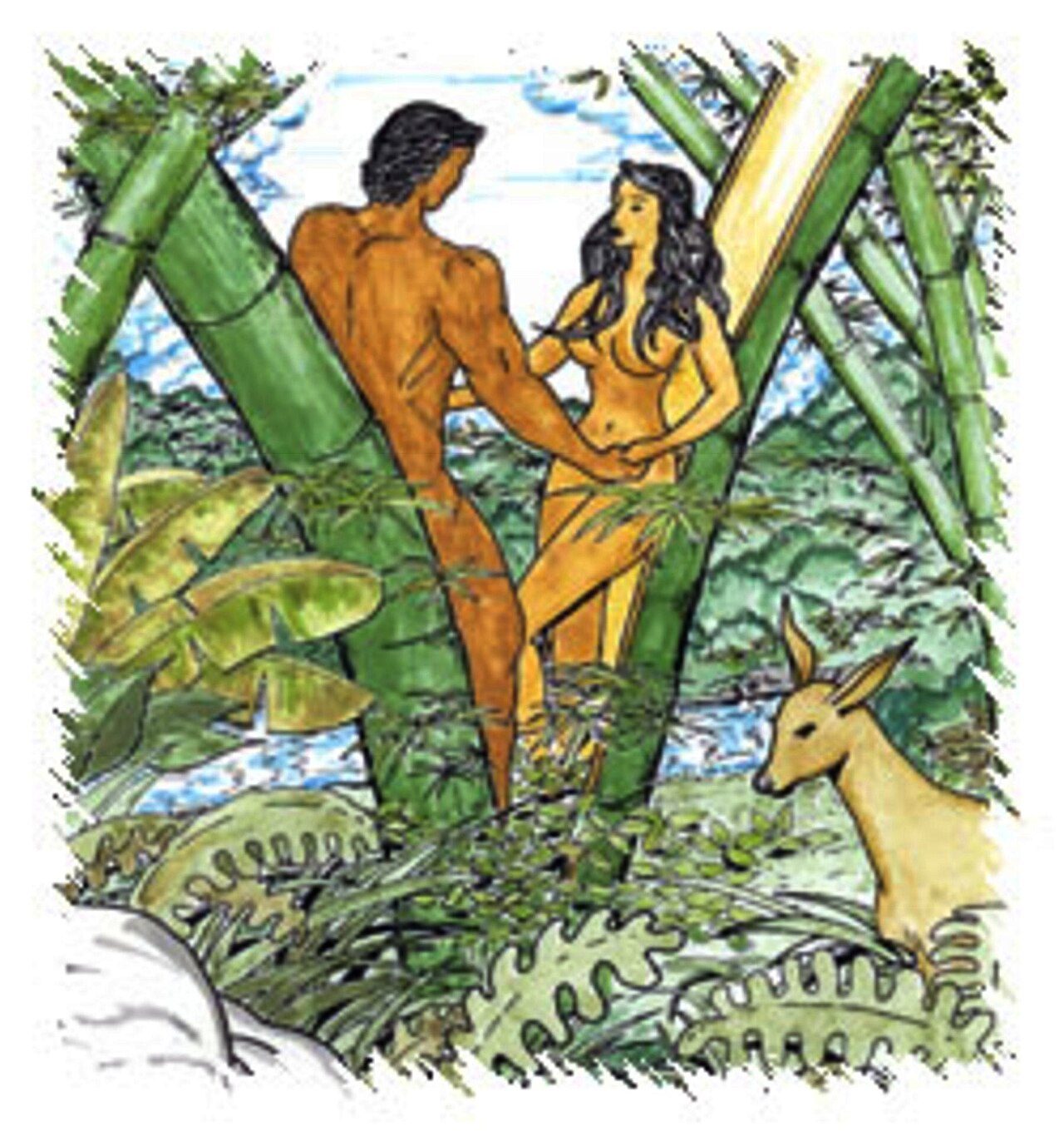
6 min read · 2 sourcesIndigenous Philippine folk religions are the distinct native religions of various ethnic groups in the Philippines, where most follow belief systems in line with animism. These indigenous folk religions include a set of local worship traditions that are devoted to the anito or diwata (and their variables), terms which translate to gods, spirits, and ancestors. Many narratives within indigenous folk religions are transmitted orally to subsequent generations, but many have also been written down. The Spanish colonizers claimed that the indigenous peoples lacked religious writings, but records indicate otherwise. Accounts, both from Chinese and Spanish sources have explicitly noted the existence of indigenous religious writings. There are also Spanish records of indigenous religious books and scrolls, along with indigenous statues of gods, being burned by colonizers. In some sources, the Spanish claim that no such religious writings exist, whereas the same chronicle records that such books were burned at their own order. These were written on native reeds and leaves using iron points and other local pens, similar to how texts are written on papyrus, and were fashioned either as scrolls or as books. Some were written on bamboo. 1
Religious worldview
Historian T. Valentino Sitoy, in his review of documents concerning pre-Spanish religious beliefs, notes three core characteristics which shaped the religious worldview of Filipinos throughout the archipelago before the arrival of Spanish colonizers. First, Filipinos believed in the existence of a parallel spirit world, invisible yet influencing the visible world. Second, Filipinos believed that there were spirits (diwata) everywhere, ranging from the high creator gods to minor spirits that inhabited the environment, such as trees, rocks, or creeks. Third, Filipinos believed that events in the human world were influenced by the actions and interventions of these spirit beings. The indigenous religions in the Philippines are the ancient beliefs and traditions of various ethnic groups in the country. Most of them believe in animism, where it is believed that all things people, animals, plants, and even nature have a spirit or soul called Diwa. In these religions, there are two main types of spirits: Diwata – This refers to deities, gods, and nature spirits. Anito – These are wooden statues and the spirits or souls of the dead, especially those of ancestors. Anito or umalagad are 'ancestor spirits', and diwata 'nature spirits and deities', in the animistic religions of the precolonial Philippines. Pag-anito (also called mag-anito or anitohan) is a séance, ritual where people communicate with the spirits of the dead or their ancestors. It is often done with the help of a shaman called a babaylan in Visayan or a katalonan in Tagalog who acts as a medium to connect with these spirits. This ritual is usually accompanied by celebrations or other ceremonies. 1
Creator gods
Many Indigenous Filipino cultures assert the existence of a high god, creator god, or sky god. Among the Tagalogs, the supreme god was known as Bathala, who was additionally described as Maykapal (the all-powerful) or Lumikha (the creator). Among the Visayan peoples, the creator God is referred to as Laon, meaning "the ancient one." Among the Manuvu, the highest god was called Manama. Among most of the Cordilleran peoples (with the Apayao region as an exception), the creator and supreme teacher is known as Kabunyan. In most cases, however, these gods were considered such great beings that they were too distant for ordinary people to approach. People thus tended to pay more attention to "lesser gods" or "assistant deities" who could be more easily approached, and whose wills could be more easily influenced. 1
Lower gods
Lesser deities in Filipino religions generally fall into three broad categories: nature spirits residing in the environment, such as a mountain or a tree; guardian spirits responsible for specific aspects of daily life, such as hunting or fishing; and deified ancestors or tribal heroes. These categories frequently overlap, with individual deities falling into two or more categories, and in some instances, deities evolve from one role to another, as when a tribal hero known for fishing becomes a guardian spirit associated with hunting. 1
Concept of the soul
Each ethnic group has their own concept and number of the soul of a being, notably humans. In most cases, a person has two or more souls while he or she is alive. The origin of a person's soul has been told through narratives concerning the Indigenous Philippine folk religions, where each ethnic religion has its unique concept of soul origin, soul composition, retaining and caring for the soul, and other matters, such as the eventual passage of the soul after the person's life is relinquished. In some cases, the souls are provided by certain deities such as the case among the Tagbanwa, while in others, the soul comes from certain special regions such as the case among the Bisaya. Some people have two souls, such as the Ifugao, while others have five souls such as the Hanunoo Mangyan. In general, a person's physical and mental health contribute to the overall health of the person's soul. In some instances, if a soul is lost, a person will become sick, and if all living souls are gone, then the body eventually dies. However, there are also instances in which the body can still live despite the loss of all of its souls, such as the phenomenon called mekararuanan among the Ibanag. Overall, caring for oneself is essential to long life for the soul, which in turn provides a long life to the body. Ghosts or ancestral spirits, in a general Philippine concept, are the spirits of those who have already died. In other words, they are the souls of the dead. They are different from the souls of the living, in which, in many instances, a person has two or more living souls, depending on the ethnic group. Each ethnic group in the Philippine islands has their own terms for ghosts and other types of souls. 1
Important symbols
Throughout various cultural phases in the archipelago, specific communities of people gradually developed or absorbed notable symbols in their belief systems. Many of these symbols or emblems are deeply rooted in indigenous epics, poems, and pre-colonial beliefs of the natives. Each ethnic group has their own set of culturally important symbols, but there are also "shared symbols" that have influenced many ethnic peoples in a particular area. 1
The text above is adapted from the Wikipedia article “Indigenous Philippine folk religions”, available under the Creative Commons Attribution-ShareAlike 4.0 licence. 1
Indigenous Philippine folk religions is Indigenous religions of the Philippines, according to the structured record cited below. This entry was generated automatically from that record and has not yet been reviewed by a person familiar with the tradition. 2
The source record links this tradition to 1 external register, which can be verified through the citation. 2