The tradition & historical record
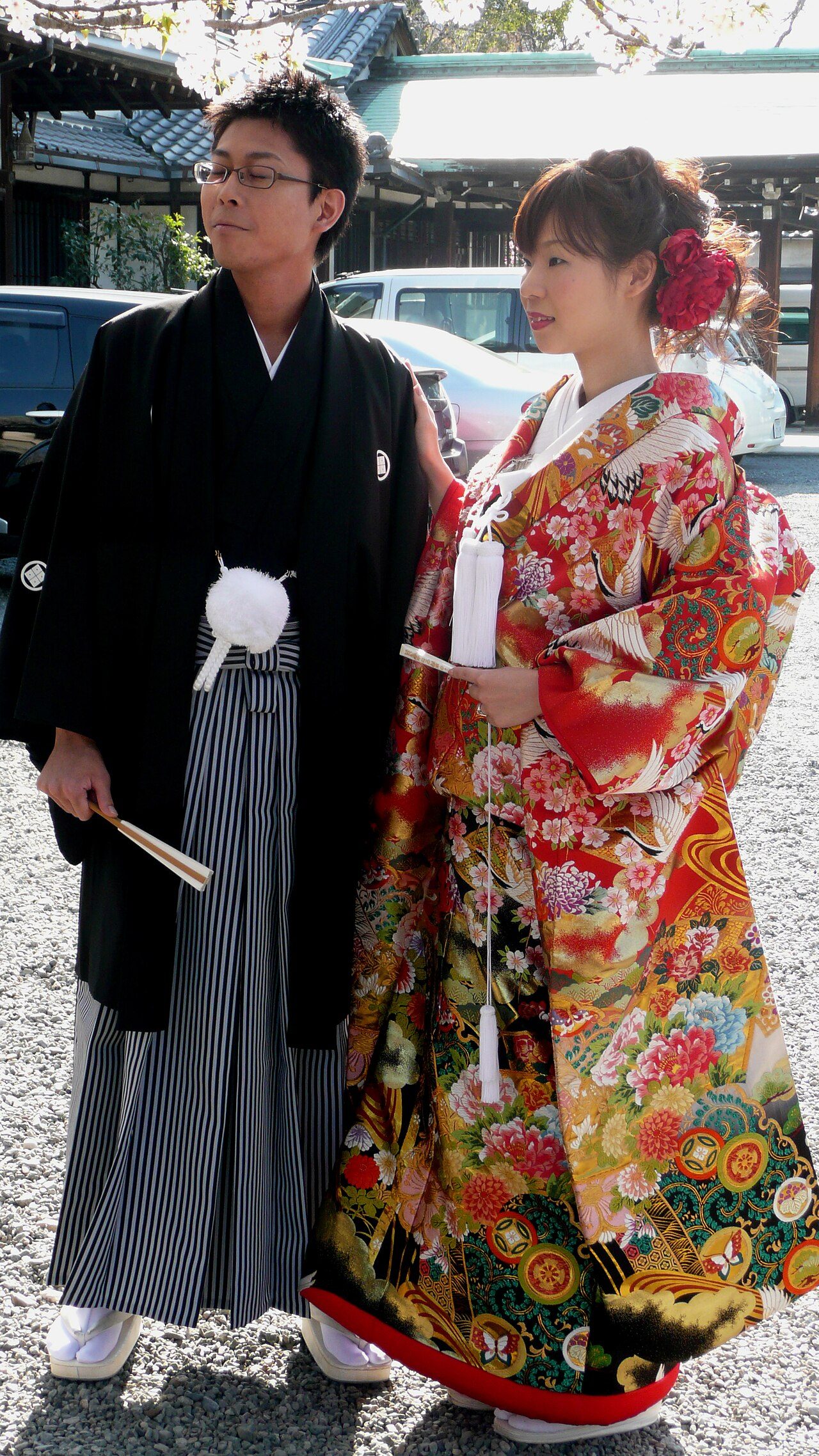
6 min read · 2 sourcesThere are typically two types of clothing worn in Japan: traditional clothing known as Japanese clothing (和服, wafuku), including the national dress of Japan, the kimono, and Western clothing (洋服, yōfuku) which encompasses all else not recognised as either national dress or the dress of another country. Traditional Japanese fashion represents a long-standing history of traditional culture, encompassing colour palettes developed in the Heian period, silhouettes adopted from Tang dynasty clothing and cultural traditions, motifs taken from Japanese culture, nature and traditional literature, the use of types of silk for some clothing, and styles of wearing primarily fully-developed by the end of the Edo period. The most well-known form of traditional Japanese fashion is the kimono, with the term kimono translating literally as "something to wear" or "thing worn on the shoulders". Other types of traditional fashion include the clothing of the Ainu people (known as the attus) and the clothes of the Ryukyuan people which is known as ryūsō (琉装), most notably including the traditional fabrics of bingata and bashōfu produced on the Ryukyu Islands. Modern Japanese fashion mostly encompasses yōfuku (Western clothes), though many well-known Japanese fashion designers – such as Issey Miyake, Yohji Yamamoto and Rei Kawakubo – have taken inspiration from and at times designed clothes taking influence from traditional fashion. 1
Yayoi period (Neolithic to Iron Age)
Little is known of the clothing of the Yayoi period. In the 3rd-century Weizhi Worenchuan (魏志倭人伝 (Gishi Wajinden), a section of the Records of the Three Kingdoms compiled by Chinese scholar Chen Shou), there is some description of clothing worn in Japan. It describes broad cloth (possibly double-width), made into unshaped garments by being tied about the waist and shoulders. 1
Kofun period (300–538 AD)
Until the 5th century AD, there is little artistic evidence of the clothing worn in Japan. Kofun period clothing is known from clay sculptures used atop haniwa offering cylinders. These were used in the 5th and 6th century, though most haniwa have no sculpture on top. These figures likely do not represent everyday dress; they may represent riding dress. Many wear armour. In the Kofun period, the right side was wrapped over the left (unlike in China), and the overlapped edge was secured with ties on the right side. Sleeves and trousers were tubular. Female figures often wear a skirt, with male figures wearing trousers tied with garters just above the calf, so that they balloon over the knee, allowing freedom of movement. Mo, wrapped skirts, were worn by men and women, sometimes over hakama (trousers). Traditional Chinese clothing had been introduced to Japan via Chinese envoys in the Kofun period, with immigration between the two countries and envoys to the Tang dynasty court leading to Chinese styles of dress, appearance and culture becoming extremely popular in Japanese court society. The Imperial Japanese court quickly adopted Chinese styles of dress and clothing. As early as the 4th century CE, images of priestess-queens and tribal chiefs in Japan depicted figures wearing clothing similar that of Han dynasty China. There is evidence of the oldest samples of shibori tie-dyed fabric stored at the Shōsōin Temple being Chinese in origin, due to the limitations of Japan's ability to produce the fabrics at the time (see tanmono). 1
Asuka period (538–710 CE)
The Asuka period began with the introduction of Buddhism, and the writing system of Chinese characters to Japan; during this time, Chinese influence over Japan was fairly strong. Judging by the depictions in the Tenjukoku Shūchō Mandala, during the reign of Empress Suiko (593–628), male and female court dress were very similar. Both wore round-necked front-fastening hō with non-overlapping lapels, the front, collar, and cuffs edged with contrasting fabric, possibly an underlayer; the ran skirt, above knee-length, had a matching edge. Below the ran and extending below it to about knee length, a more heavily pleated contrasting skirt called a hirami was worn. Below the hirami, men wore narrow hakama with a contrasting lower edge, and women wore a pleated mo long enough to trail. The Takamatsuzuka Tomb (c. 686 CE) is a major source of information for upper-class clothing of this period. By this time, the hō lapels overlapped (still right side over left), and the hō and mo were edged with pleated frills, replacing the hirami. Kanmuri (black gauze caps stiffened with lacquer) were being worn by male courtiers, and were regulated in the 11th regnal year of Emperor Tenmu (~684 CE); this fashion persists in formal use into the 21st century. 1
Nara period (710–794)
Nara-period upper-class clothing was much simpler than some later styles, taking no more than a few minutes to don, with the clothing itself allowing for freedom of movement. Women's upper-class dress consisted of a left-over-right lap-fronted top (over a similar underrobe), and a wrapped, pleated skirt (mo). Women also sometimes wore a lap-fronted overvest, and a narrow rectangular stole. Men's upper-class dress had narrow, unpleated (single-panel) hakama (trousers) under a loose, mandarin-collared coat (hō (袍)), with elaborate hats of stiffened open-weave black cloth (kanmuri). Clothing was belted with narrow sashes. Nara-period women's clothing was heavily influenced by Tang-dynasty China. Women adopted tarikubi (垂領, "drape-necked") collars, which overlapped like modern kimono collars, though men continued wearing round agekubi (上領, "high-necked") mandarin collars, which were associated with scholasticism, only later adopting tarikubi. Lower-body garments (mo and hakama) had been worn under the outermost upper-body garments, but now, following the newer Chinese fashion, they transitioned to being worn on top (again, by women, but not yet by men). In 718 CE, the Yoro clothing code was instituted, which stipulated that all robes had to be overlapped at the front with a left-to-right closure, following typical Chinese fashions. China considered right-over-left wraps barbaric. This convention of wear is still followed today, with a right-to-left closure worn only by the deceased. In 752 CE, a massive bronze Buddha statue at Tōdai-ji, Nara, was consecrated with great ceremony. The ceremonial clothing of attendees (probably not all made in Japan) was preserved in the Shōsō-in. Most of them close left-over-right, but some abut or overlap right-over-left. 1
Heian period (794–1185)
During the Heian period (794-1185 CE), Japan stopped sending envoys to the dynastic courts. This prevented Chinese-imported goods—including clothing—from entering the Imperial Palace and disseminating to the upper classes, who were the main arbiters of traditional Japanese culture at the time and the only people allowed to wear such clothing. The ensuing cultural vacuum facilitated the development of a Japanese culture independent from Chinese fashions. 1
The text above is adapted from the Wikipedia article “Japanese clothing”, available under the Creative Commons Attribution-ShareAlike 4.0 licence. 1
Japanese clothing is Japanese clothing, traditional and modern, according to the structured record cited below. This entry was generated automatically from that record and has not yet been reviewed by a person familiar with the tradition. 2
The source record links this tradition to 5 external registers, which can be verified through the citation. 2