The tradition & historical record
3 min read · 2 sourcesNoodles are a staple of Japanese cuisine. They are often served chilled with dipping sauces, or in soups or hot dishes. Noodles were introduced to Japan from China during the Song Dynasty between the Heian until the early Kamakura period. 1
History
Noodles were first introduced into Japan around 800 A.D. during the Heian period (794–1185). This dish was adopted from China. During the Edo period, specifically between the 1661 to 1672, Soba noodles became popular in restaurants in the capital city of Edo (now Tokyo). It is rumored that it became extremely popular because soba noodles can be served cold, and with all of the fires occurring, the government limited the use of fuel. 1
Types of Japanese noodles
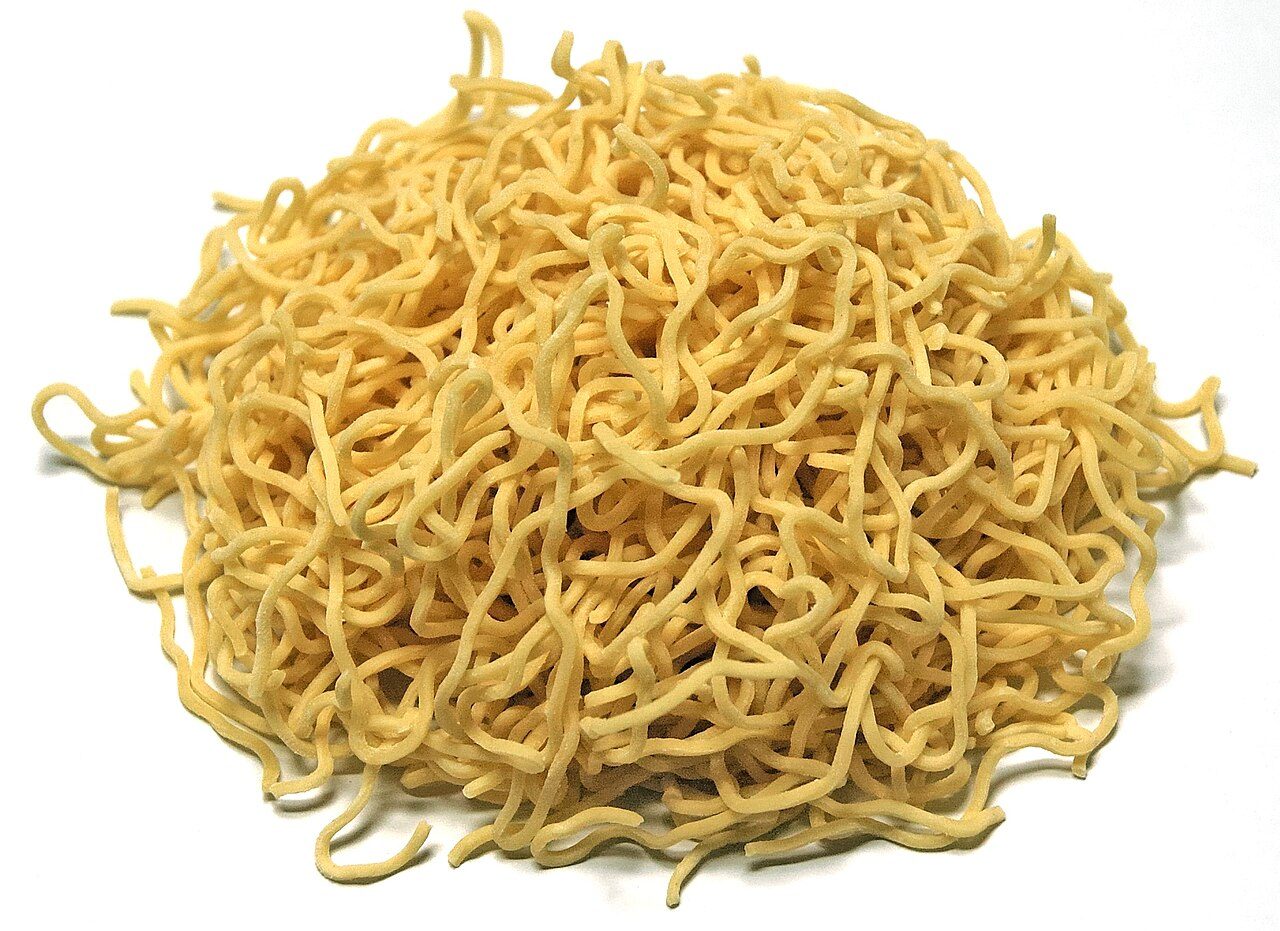
Chūkamen are the noodles used in ramen. They are thin, wheat-based noodles made from wheat flour, salt, water, and kansui, a form of alkaline water. The dough is risen before being rolled. Chūkamen have a firm texture and are usually pale yellow in color. The noodles may vary in shape, width, and length. They are served in a broth. The dishes ancestral to ramen were introduced by Chinese immigrants in the 1880s. The word ramen is a Japanese borrowing of the Mandarin Chinese lamian (拉麵, 'pulled noodles'). A common misconception is that ramen is a Japanese adaptation of lamian, but the two dishes have no direct relation, and how ramen came to adopt its name from lamian remains unclear. Ramen evolved from southern Chinese noodle dishes, primarily Cantonese, as opposed to northern Chinese noodle dishes that may feature lamian. Examples of ramen dishes are shōyu ramen, shio ramen, miso ramen, tonkotsu ramen, and curry ramen. Shirataki are clear noodles made from konnyaku. These noodles are chewy or rubbery. Shirataki are used to add texture to dishes such as sukiyaki and oden. Soba is a noodle made from buckwheat and wheat flour. Soba noodles are available dried or fresh. They may be served with hot broth or cold with dipping sauce (tsuyu). Examples of soba dishes are zaru soba (chilled), kake soba, tempura soba, kitsune soba, and tororo soba. Although the popular Japanese dish yakisoba includes "soba" in its name, the dish is made with Chinese-style noodles (chūkamen). Sōmen noodles are a very thin, white, wheat-based noodle. They are usually served chilled in the summertime with dipping sauces although they may be used in soups and other hot dishes. Sōmen noodles are very similar to hiyamugi and udon noodles, only they are thinner (about 1.3mm in width). 1
The text above is adapted from the Wikipedia article “Japanese noodles”, available under the Creative Commons Attribution-ShareAlike 4.0 licence. 1
Japanese noodles is noodles in Japanese cuisine, e.g. ramen, soba and udon, according to the structured record cited below. This entry was generated automatically from that record and has not yet been reviewed by a person familiar with the tradition. 2
The source record links this tradition to 3 external registers, which can be verified through the citation. 2