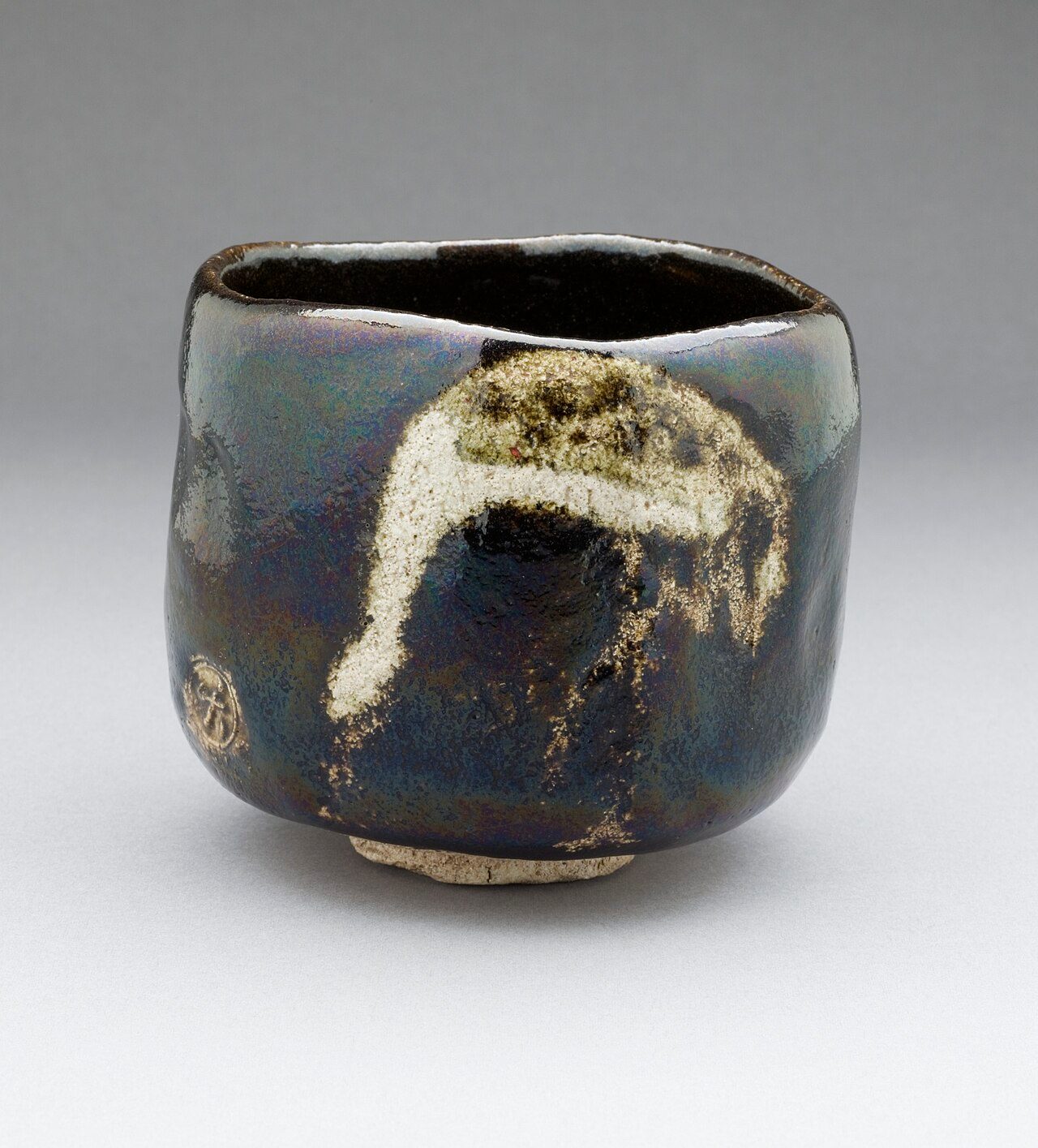
The tradition & historical record
4 min read · 2 sourcesPottery and porcelain (陶磁器, tōjiki; also yakimono (焼きもの), or tōgei (陶芸)) is one of the oldest Japanese crafts and art forms, dating back to the Neolithic period. Types have included earthenware, pottery, stoneware, porcelain, and blue-and-white ware. Japan has an exceptionally long and successful history of ceramic production. Earthenwares were made as early as the Jōmon period (10,500–300 BC), giving Japan one of the oldest ceramic traditions in the world. Japan is further distinguished by the unusual esteem that ceramics hold within its artistic tradition, owing to the enduring popularity of the tea ceremony. During the Azuchi-Momoyama period (1573–1603), kilns throughout Japan produced ceramics with unconventional designs. In the early Edo period, the production of porcelain commenced in the Hizen-Arita region of Kyushu, employing techniques imported from Korea. These porcelain works became known as Imari wares, named after the port of Imari from which they were exported to various markets, including Europe. Japanese ceramic history records the names of numerous distinguished ceramists, and some were artist-potters, e.g. Hon'ami Kōetsu, Ninsei, Ogata Kenzan, and Aoki Mokubei. Japanese anagama kilns also have flourished through the ages, and their influence weighs with that of the potters. Another important Japanese constituent of the art is the continuing popularity of unglazed high-fired stoneware even after porcelain became popular. 1
Ceramics types
The types of ceramics can be divided into five groups: 1
unglazed earthenware (素焼きの土器 "Suyaki no doki"): fired at high temperatures without any glaze, resulting in a natural, rustic appearance. glazed earthenware (施和的器 seyūtōki or 低火度前 teikadoyū): fired at relatively low temperatures 800–900°C using lead as the medium, the technique was introduced from the Korean peninsula in the 7th century. Sansai (三彩) is another type of technique using lead glaze. unglazed stoneware (焼き締め陶窓 yakishime tōki): fired at high temperatures without applying a coat of glaze. In the Middle Ages, it was used for living utensils such as vases, pots and other everyday items, and in the Azuchi-Momoyama period, it was modified for use in tea rooms due to its simple taste. glazed stoneware (施和陶器 seyūtōki or 高火度和 kōkadoyū): fired at temperatures of 1250°C or higher. In many cases, the base is not pure white, but grey or brown in colour. It has a softer texture than porcelain and absorbs some water. porcelain (磁器 jiki): a white colour with a high silica content and few impurities. Hard ware made by firing clay at high temperatures. The technique was introduced from the Korean peninsula at the beginning of the Edo period and production began in Arita, Hizen Province, Kyushu. 1
Vessel types
Some of the typical vessel (器 utsuwa) types are: 1
tea bowl (茶碗 chawan) jar (壷 tsubo) bowl (鉢 hachi) tea caddy (茶入 chaire) The various features of a vessel such as the opening, rim, neck, wall, inside, foot, surface markings, etc. all have standardised names in Japanese. 1
Jōmon period
In the Neolithic period (c. 11th millennium BC), the earliest soft earthenware was made. During the early Jōmon period in the 6th millennium BC typical coil-made ware appeared, decorated with hand-impressed rope patterns. Jōmon pottery developed a flamboyant style at its height and was simplified in the later Jōmon period. The pottery was formed by coiling clay ropes and fired in an open fire. 1
Yayoi period
In about the 4th–3rd centuries BC Yayoi period, Yayoi pottery appeared which was another style of earthenware characterised by a simple pattern or no pattern. Jōmon, Yayoi, and later Haji ware shared the firing process but had different styles of design. 1
Kofun period
In the 3rd to 4th centuries AD, the anagama kiln, a roofed-tunnel kiln on a hillside, and the potter's wheel appeared, brought to Kyushu island from the Korean peninsula. The anagama kiln could produce stoneware, Sue pottery, fired at high temperatures of over 1,200–1,300 °C (2,190–2,370 °F), sometimes embellished with accidents produced when introducing plant material to the kiln during the reduced-oxygen phase of firing. Its manufacture began in the 5th century and continued in outlying areas until the 14th century. Although several regional variations have been identified, Sue was remarkably homogeneous throughout Japan. The function of Sue pottery, however, changed over time: during the Kofun period (AD 300–710) it was primarily funerary ware; during the Nara period (710–94) and the Heian period (794–1185), it became an elite tableware; and finally it was used as a utilitarian ware and for the ritual vessels for Buddhist altars. Contemporary Haji ware and haniwa funerary objects were earthenware like Yayoi. 1
The text above is adapted from the Wikipedia article “Japanese pottery and porcelain”, available under the Creative Commons Attribution-ShareAlike 4.0 licence. 1
Japanese pottery and porcelain is ceramics from Japan, according to the structured record cited below. This entry was generated automatically from that record and has not yet been reviewed by a person familiar with the tradition. 2
The source record links this tradition to 12 external registers, which can be verified through the citation. 2