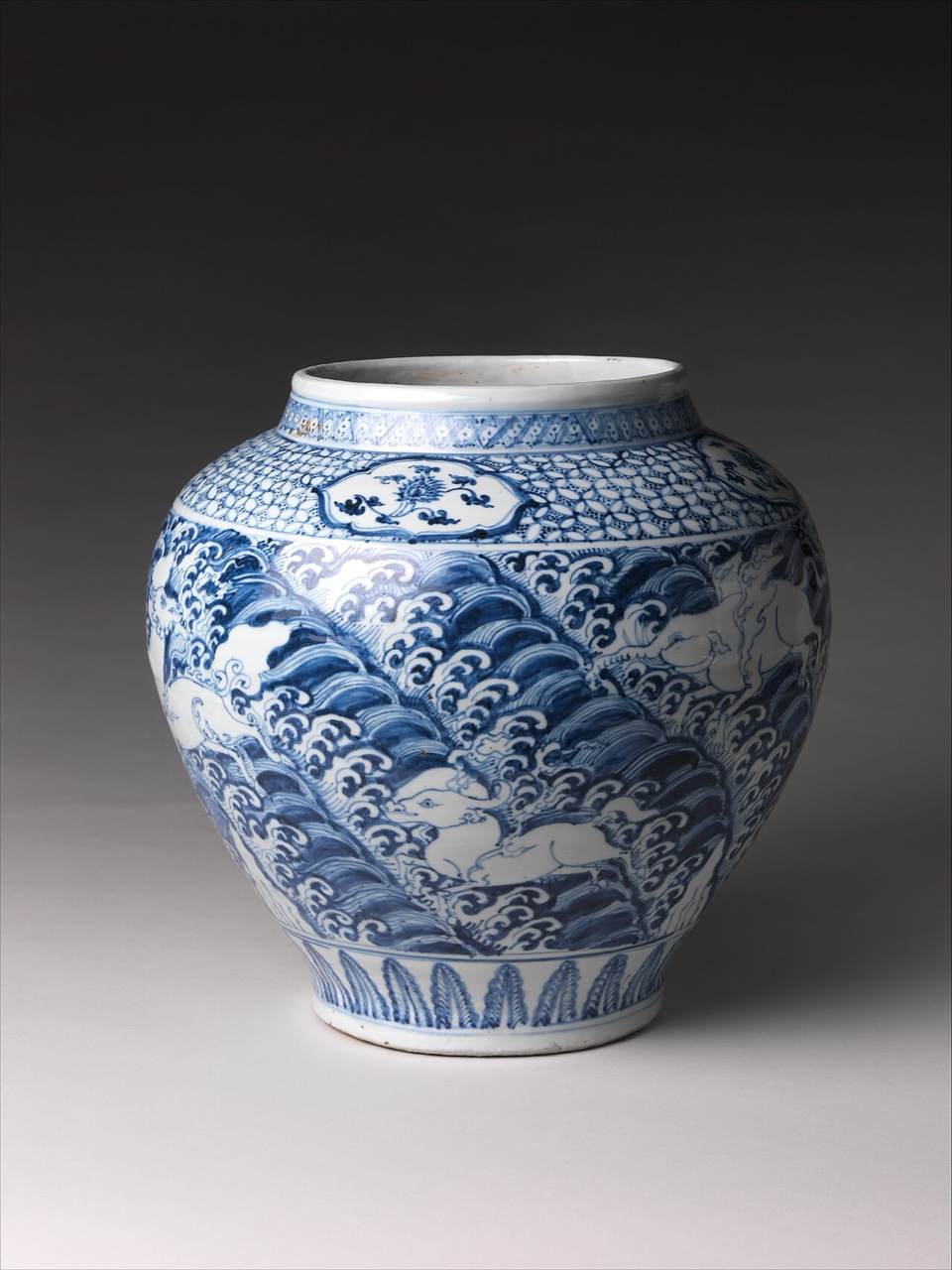
In Jingdezhen, Jiangxi Province—known historically as China's porcelain capital—craftspeople divide production across specialized guilds of clay-washers, wheel-throwers, thin-wall trimmers, underglaze cobalt qinghua painters, and pine-wood dragon-kiln masters. 1
High-temperature reduction firing above 1,300 degrees Celsius fuses kaolin clay and petuntse china-stone into translucent, resonant white ware documented continuously since the Song and Ming imperial kilns. 1