The tradition & historical record
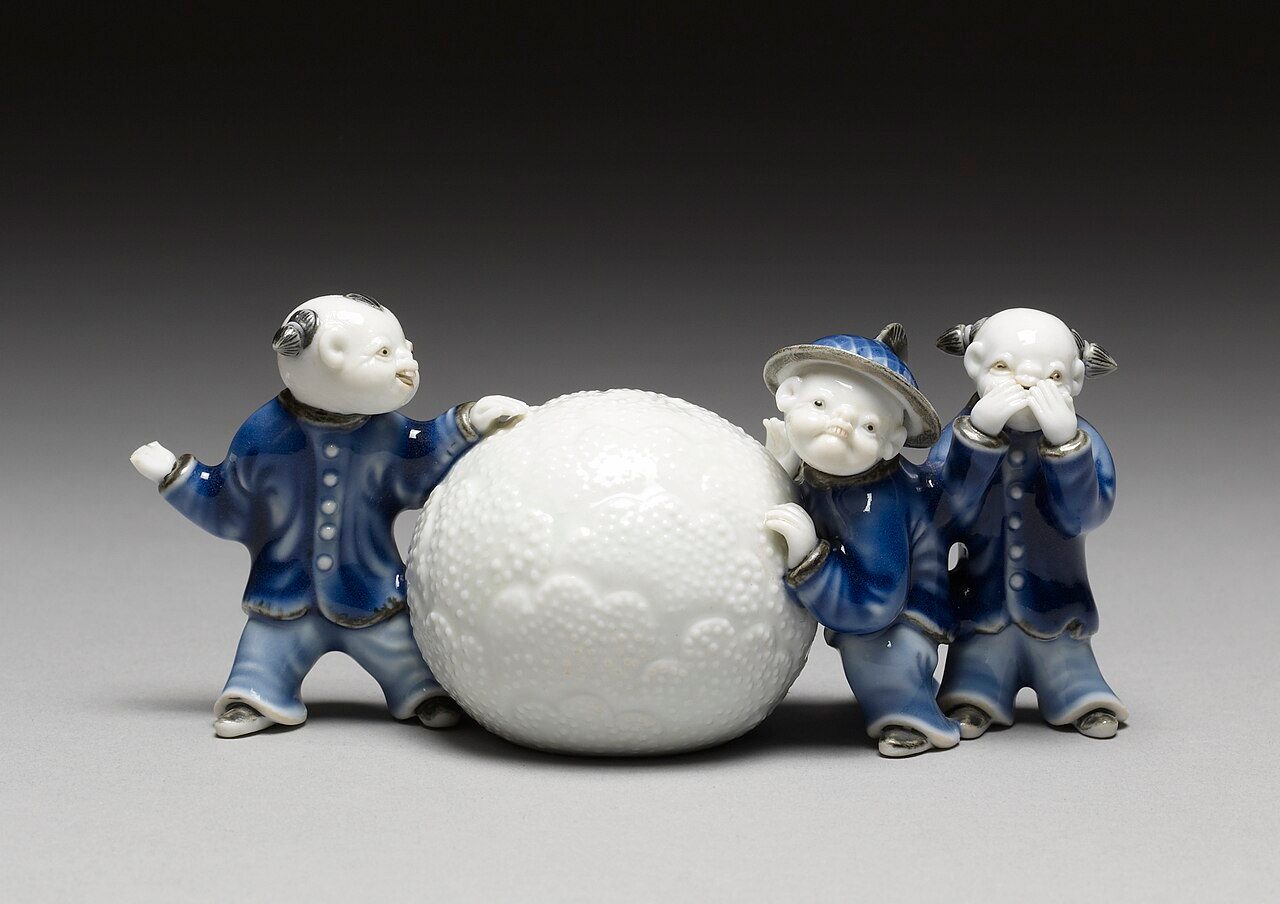
1 min read · 2 sourcesKarako (唐子) is a Japanese term used in art with the depiction of Chinese children playing. The literal translation means "Tang children". The children tend to be depicted with a particular hairstyle that is knotted at the top and shaved on both sides of the head. The theme of these playing children can be found in screens and ceramics and other forms of Japanese art. They symbolise the innocence and joy of childhood. Arita ware, Nabeshima ware, and Hirado ware are typical examples of Japanese pottery that depict karako. In painted form on ceramic ware, it often shows boys chasing butterflies. 1
The text above is adapted from the Wikipedia article “Karako”, available under the Creative Commons Attribution-ShareAlike 4.0 licence. 1
Karako is term used with depiction of Chinese children playing, according to the structured record cited below. This entry was generated automatically from that record and has not yet been reviewed by a person familiar with the tradition. 2
The source record links this tradition to 2 external registers, which can be verified through the citation. 2