The tradition & historical record
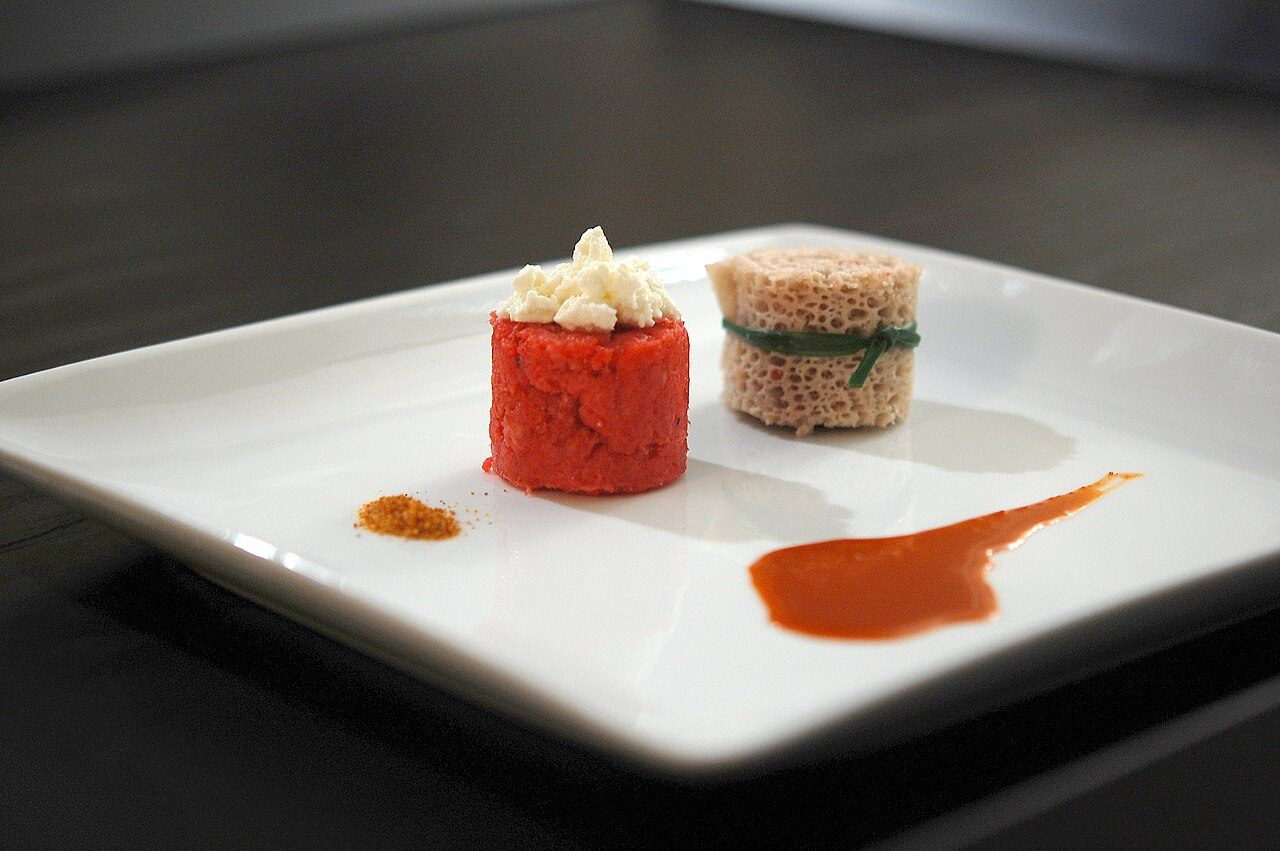
2 min read · 2 sourcesKitfo (Amharic: ክትፎ, IPA: [kɨtfo]) is an Ethiopian traditional dish that originated among the Gurage people. It consists of minced raw beef, marinated in mitmita (a chili-based spice powder) and niter kibbeh (a clarified butter infused with herbs and spices). The word comes from the Ethio-Semitic triconsonantal root k-t-f, meaning "to chop finely; mince". Kitfo cooked lightly rare is known as kitfo leb leb. Kitfo is often served alongside — or sometimes mixed with — a mild cheese called ayibe or cooked greens known as gomen. In many parts of Ethiopia, kitfo is served with injera, a spongy, absorbent sourdough crêpe-like flatbread made from fermented teff flour; traditional Gurage cuisine replaces this with kocho, a thick flatbread made of the ensete plant. An ensete leaf may be also used as a garnish. Though not considered a delicacy, kitfo is generally held in high regard. It is served on special occasions such as holidays like Meskel on 27 September, the feast celebrating the Finding of the True Cross. 1
The text above is adapted from the Wikipedia article “Kitfo”, available under the Creative Commons Attribution-ShareAlike 4.0 licence. 1
Kitfo is Ethiopian plate: marinated raw beef meat, according to the structured record cited below. This entry was generated automatically from that record and has not yet been reviewed by a person familiar with the tradition. 2
The source record links this tradition to 3 external registers, which can be verified through the citation. 2