The tradition & historical record
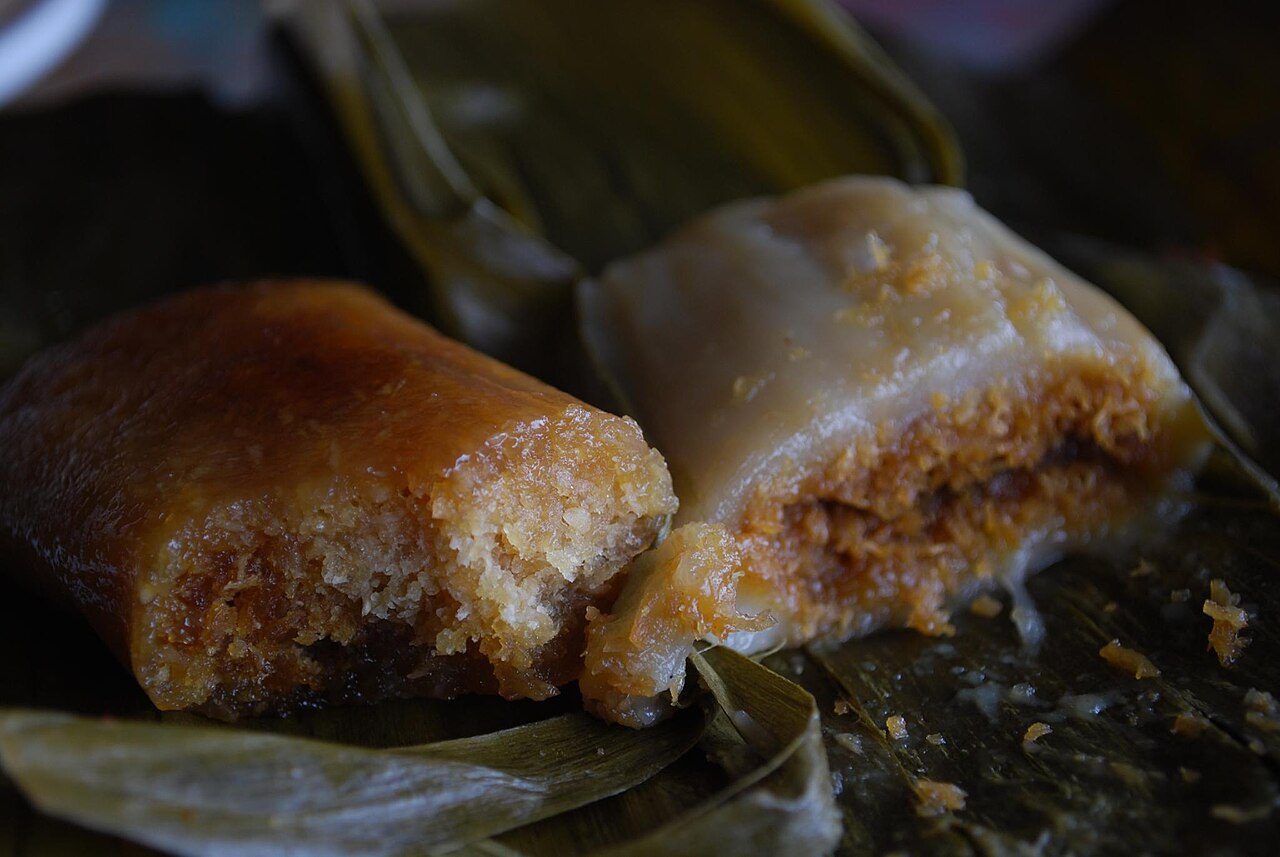
1 min read · 2 sourcesKue kochi or koci (also known as passover cake in English) is a Maritime Southeast Asian dumpling-type kuih found in Javanese, Malay and Peranakan cuisine, typically made from black glutinous rice flour, and stuffed with coconut fillings with palm sugar. In Brunei, Indonesia, Malaysia and Singapore, this snack is often as a dessert and can be eaten at anytime (during breakfast or tea time). Due to its use in ancestral offerings, it has been suggested that the black colour of the unpolished rice symbolises death, while the sweet filling represents resurrection. 1
The text above is adapted from the Wikipedia article “Kue kochi”, available under the Creative Commons Attribution-ShareAlike 4.0 licence. 1
Koci is Malaysian traditional dumpling, according to the structured record cited below. This entry was generated automatically from that record and has not yet been reviewed by a person familiar with the tradition. 2
The source record links this tradition to 2 external registers, which can be verified through the citation. 2