The tradition & historical record
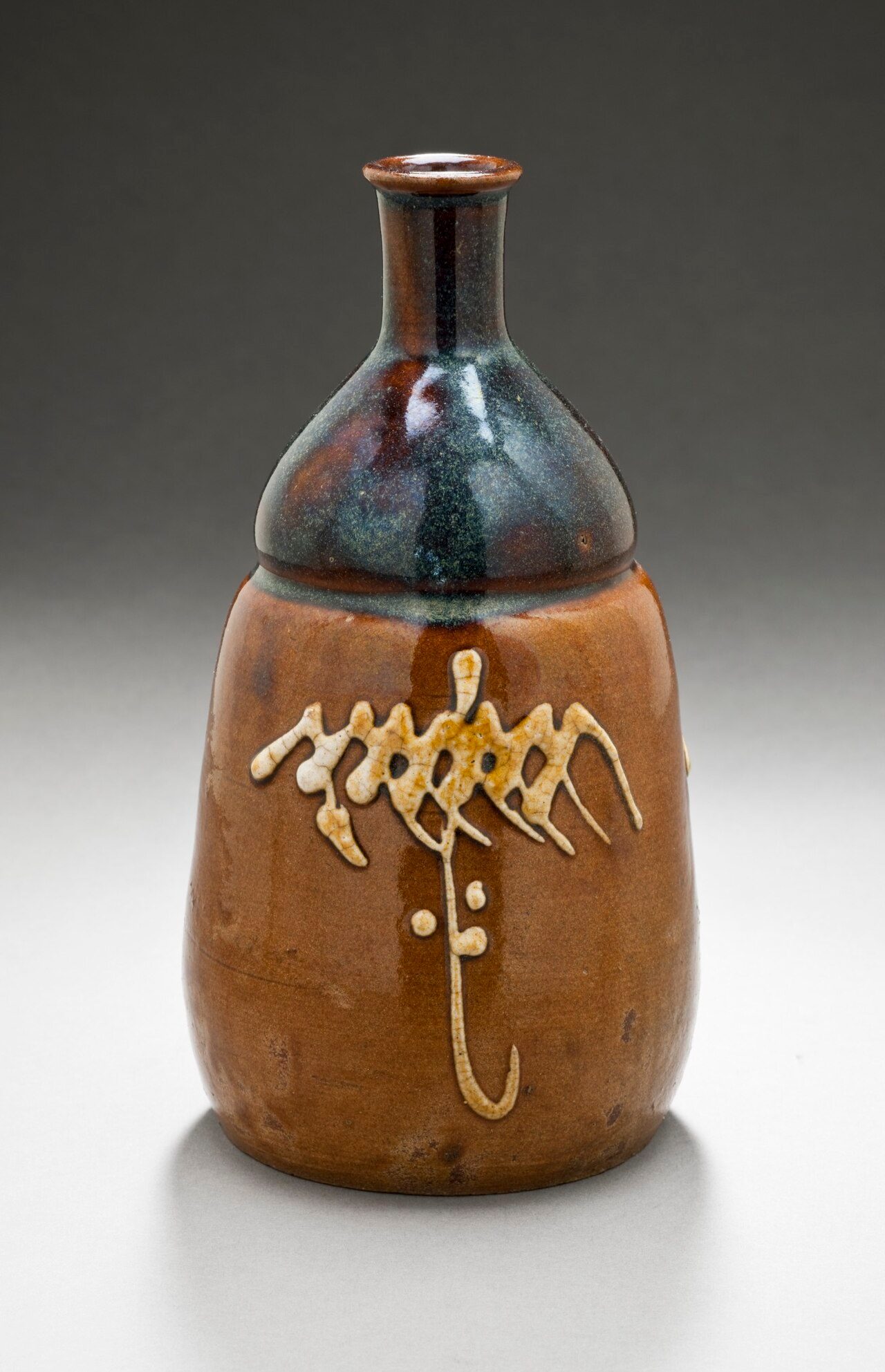
2 min read · 2 sourcesKoishiwara ware (小石原焼, Koishiwara-yaki), formerly known as Nakano ware, is a type of Japanese pottery traditionally from Koishiwara, Fukuoka Prefecture in western Japan. Koishiwara ware consists of utility vessels such as bowls, plates, and tea cups. The style is often slipware. 1
History
Pottery was first made in Koishiwara in 1682 as a result of the relocation of the Korean-founded Takatori workshop to nearby Tsuzumi. A kiln for firing porcelain was built in Koishiwara, and porcelain wares were made for export there with local materials until the eighteenth century. The Koishiwara style as it is known today had developed by the mid-eighteenth century. Abandoning porcelain production, potters began to use dark-firing stoneware for their pottery. 1
20th century
Beginning in the mid-twentieth century, technological advancements such as clay crushers, kiln shelves, and electric kilns allowed Koishiwara potters to work more efficiently and profitably than other potters in the surrounding area. As a result, Koishiwara potters were able to purchase land near their ceramic sites and develop it as tourist resorts and retail centers. Modern Koishiwara ware pottery represents the success of the mingei or folk craft movement in Japan. 1
Contemporary Koishiwara style
Stylistic trademarks of Koishiwara ware include different types of slip decoration in which light-colored slip is applied to a leather-hard pot before a tool is used to create a pattern which reveals the dark clay underneath. The characteristic double glazing style of Koishiwara ware uses an overall clear glaze and trailing or pouring copper green and iron glazes in spots over the clear base glaze. The area still serves as a large ceramic production site for everyday wares, attracting tourists and selling large amounts of pottery every year. 1
The text above is adapted from the Wikipedia article “Koishiwara ware”, available under the Creative Commons Attribution-ShareAlike 4.0 licence. 1
Koishiwara ware is type of Japanese pottery, according to the structured record cited below. This entry was generated automatically from that record and has not yet been reviewed by a person familiar with the tradition. 2
The source record links this tradition to 2 external registers, which can be verified through the citation. 2