The tradition & historical record
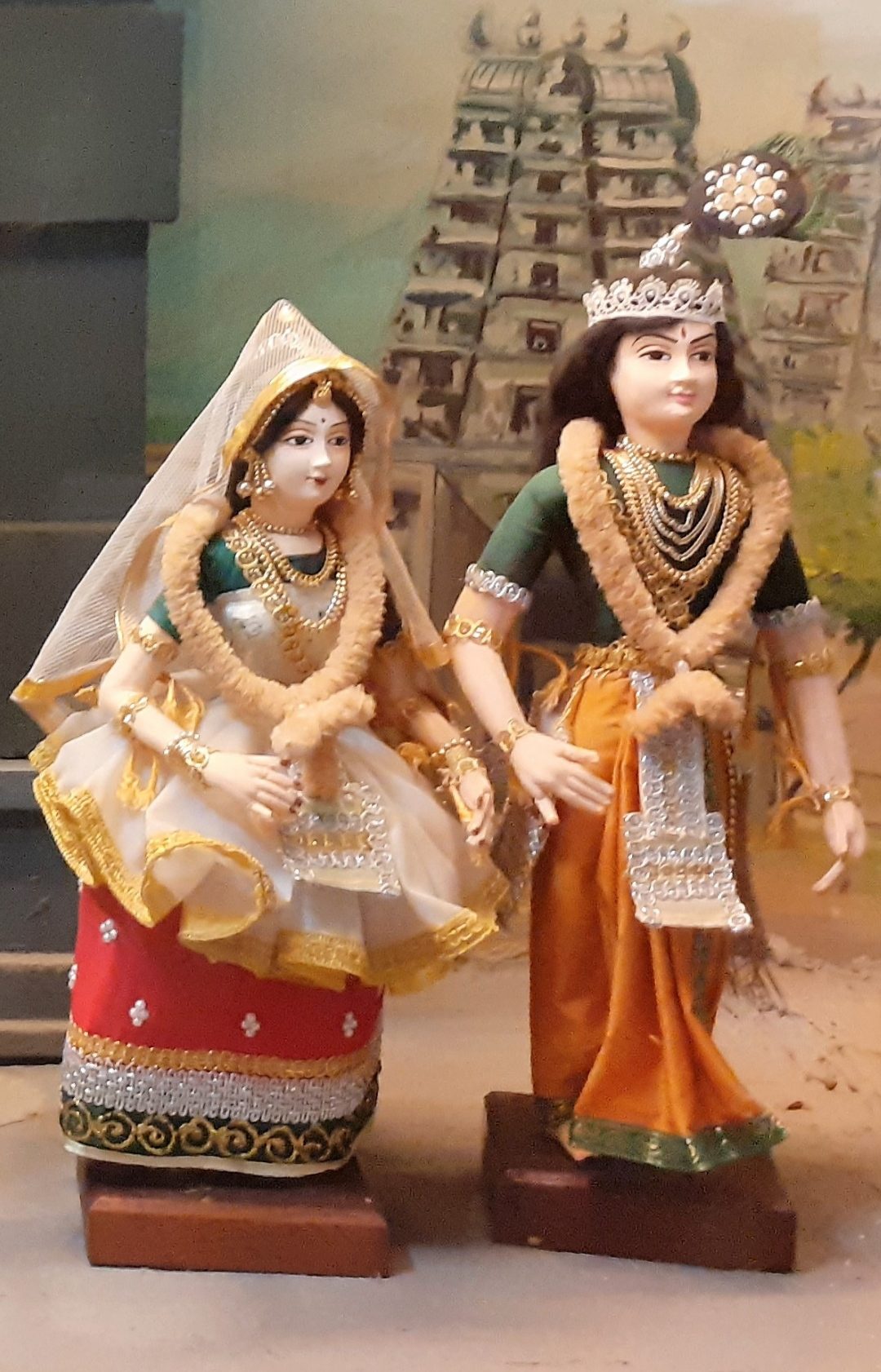
3 min read · 2 sourcesLaiphadibi (), also known as Laiphadabi (ꯂꯥꯏꯐꯗꯕꯤ) or Laidhibi (ꯂꯥꯏꯙꯤꯕꯤ) or Laidhabi (ꯂꯥꯏꯙꯕꯤ) or Laidhi (ꯂꯥꯏꯙꯤ), refers to the traditional Meitei handmade dolls, usually made of clothes and straws. It is one of the masterpieces of the Meitei handicrafts. These dolls play crucial roles in different elements of Meitei culture, including but not limited to Meitei dances, Meitei festivals, Meitei folklore, Meitei folktales, Meitei history, Meitei literature, Meitei mythology, Meitei proverbs, traditional Meitei religion (Sanamahism), etc. These traditional Meitei dolls, or laidhibi, start as toys but also become an important part of rituals. They are treated as if they are living spirits, with own feelings, referring to them as ‘Ita’ (ꯏꯇꯥ), which means ‘a female companion’. The laidhibi dolls has changed a lot since it was first made from old clothes. The early versions sold commercially wore tonga-phanek and lai-phi (clothes meant for the gods). Later, dolls wore simple potloi without decorations. Now, dolls in the market often copy the costumes and jewelry from the raslila dance. The simple doll has evolved into a much more detailed one, wearing potloi and boswan. The Koktumbi dolls, with a thin, transparent veil, are especially popular with tourists visiting Manipur. These dolls have a conical cap on their head instead of hair or other decorations. 1
Etymology
The word for doll in the Meitei language is Laiphadibi (ꯂꯥꯏꯐꯗꯤꯕꯤ). The word "lai" (ꯂꯥꯏ) means god, and "phadi" (ꯐꯗꯤ) means a shabby piece of cloth. The last part, "bi," (ꯕꯤ) shows that it’s feminine. So, Laiphadibi or a doll is a female image of a god made from old clothes. 1
In ancient texts
The ancient Meitei text Leisemlol Sai-on-ba (ꯂꯩꯁꯦꯝꯂꯣꯟ ꯁꯥꯏꯑꯣꯟꯕ) talks about how dolls are made and used both in rituals and as toys. The dolls are an important part of some rituals. 1
Uses
The children, mostly girls, would gather at a friend's porch with their dolls and accessories. They had many things for their dolls, like phanek (a long piece of cloth), phi (a shawl), beds, sofas, and sometimes even kitchen items. These were made by hand using cloth, mud, and leftover wood, and kept in a lubak (bamboo basket). After playing, the dolls were put to sleep, covered with a blanket inside the lubak. If the dolls were left out and not taken care of, the elders would warn, "If you don’t put your dolls back in the lubak after playing, they will cry at night under the banana trees." This was something no child wanted to happen. 1
Ending the relationship
When the child grew up and stopped playing with the laidhibi, it was time to say goodbye. The laidhibi wasn’t thrown away, but given to a younger sibling or buried under a banana tree. It was important to end the connection properly. 1
Need to respect
Today, children have more dolls than they can play with. The dolls are often thrown around, losing their arms or heads, which makes adults scold the child for being careless and unkind. This happens because people believe that laidhibis are living spirits and should be treated with respect. 1
The text above is adapted from the Wikipedia article “Laiphadibi”, available under the Creative Commons Attribution-ShareAlike 4.0 licence. 1
Laiphadibi is dolls in Meitei culture, according to the structured record cited below. This entry was generated automatically from that record and has not yet been reviewed by a person familiar with the tradition. 2