The tradition & historical record
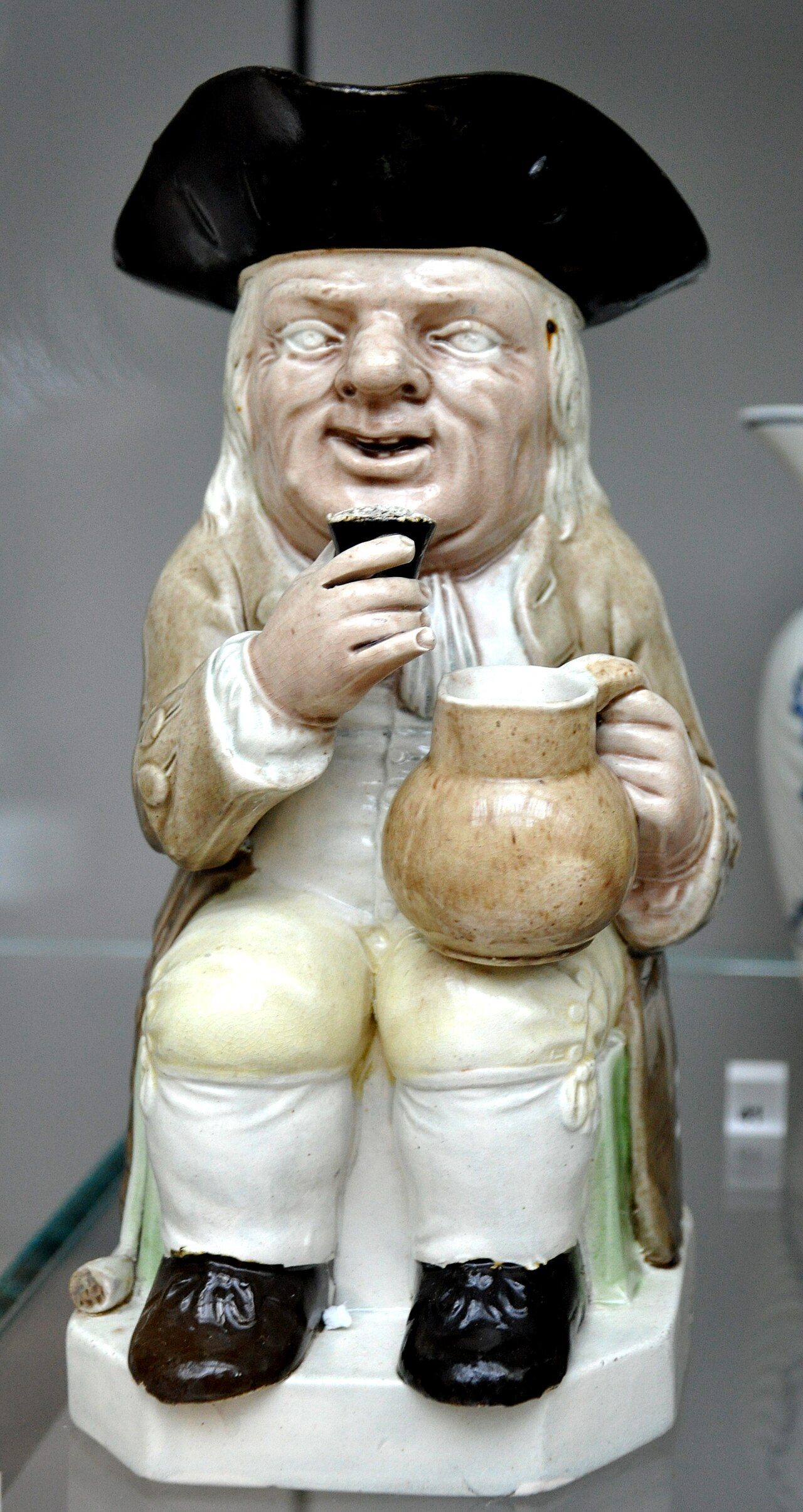
2 min read · 2 sourcesLead-glazed earthenware is one of the traditional types of earthenware with a ceramic glaze, which coats the ceramic bisque body and renders it impervious to liquids, as terracotta itself is not. Plain lead glaze is shiny and transparent after firing. Coloured lead glazes are shiny and either translucent or opaque after firing. Three other traditional techniques are tin-glazed (in fact this is lead glaze with a small amount of tin added), which coats the ware with an opaque white glaze suited for overglaze brush-painted colored enamel designs; salt glaze pottery, also often stoneware; and the feldspathic glazes of Asian porcelain. Modern materials technology has invented new glazes that do not fall into these traditional categories. In lead glazes, tints provided by impurities render greenish to brownish casts, with aesthetic possibilities that are not easily controlled in the kiln. The Romans used lead glazes for high-quality oil lamps and drinking cups. At the same time in China, green-glazed pottery dating back to the Han period (25–220 AD) gave rise eventually to the sancai ('three-color') Tang dynasty ceramics, where the white clay body was coated with coloured glazes and fired at a temperature of 800 degrees C. Lead oxide was the principal flux in the glaze. Polychrome effects (i.e. the colours) were obtained by using the oxides of copper (which turns green), iron (brownish yellow), and less often manganese (brown) and cobalt (blue). 1
The text above is adapted from the Wikipedia article “Lead-glazed earthenware”, available under the Creative Commons Attribution-ShareAlike 4.0 licence. 1
lead-glazed earthenware is traditional type of glazed earthenware, according to the structured record cited below. This entry was generated automatically from that record and has not yet been reviewed by a person familiar with the tradition. 2
The source record links this tradition to 3 external registers, which can be verified through the citation. 2