The tradition & historical record
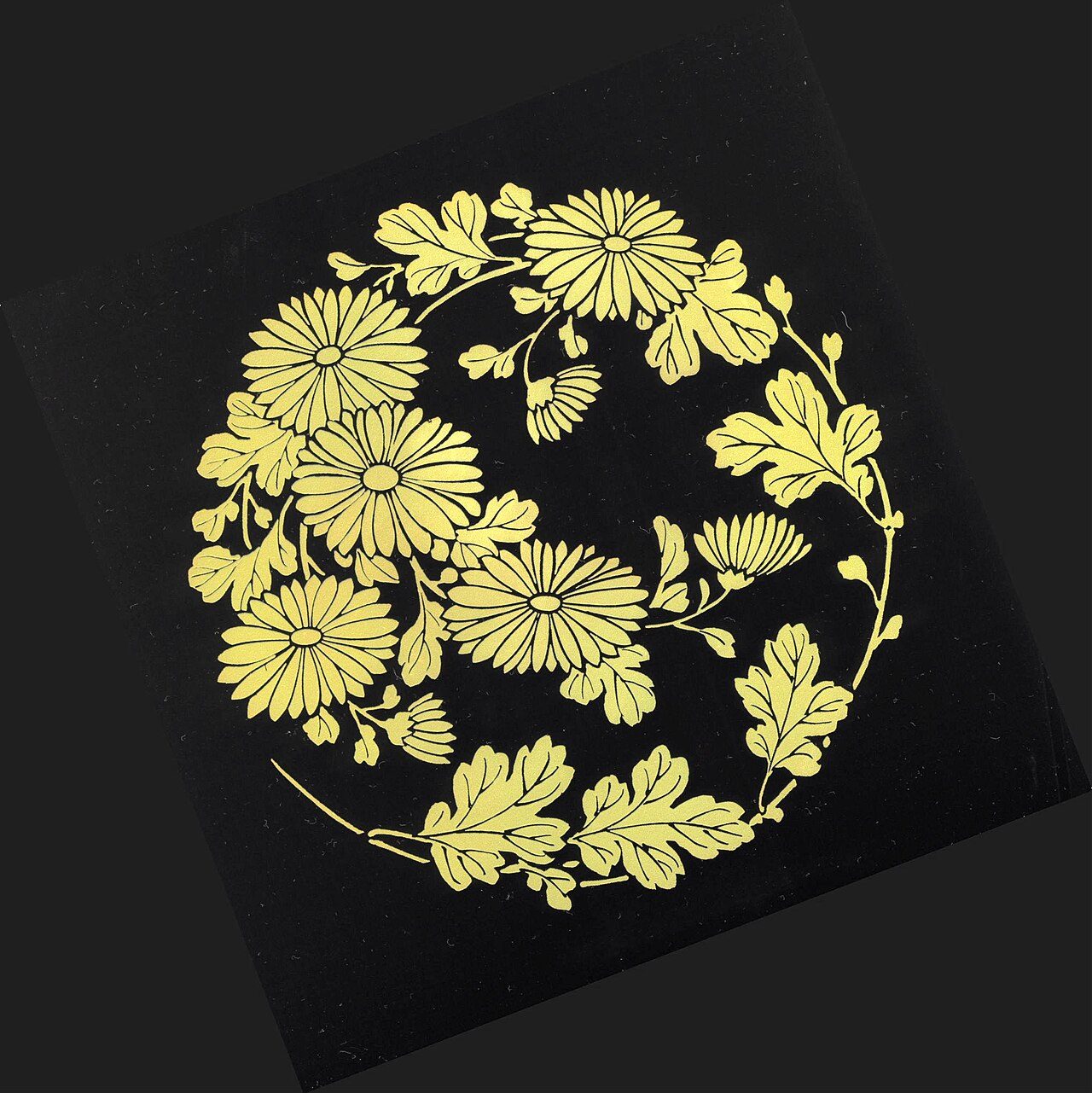
4 min read · 2 sourcesMaki-e (蒔絵, literally: sprinkled picture (or design)) is a Japanese lacquer decoration technique in which pictures, patterns, and letters are drawn with lacquer on the surface of lacquerware, and then metal powder such as gold or silver is sprinkled and fixed on the surface of the lacquerware. The origin of the term maki-e is a compound word of maki meaning "sprinkling" and e meaning "picture" or "design". The term can also be used to refer to lacquerware made with this decorative technique. The term maki-e first appeared in the Heian period. This technique is the most used technique in Japanese lacquer decoration. The maki-e is often combined with other techniques such as raden (螺鈿) in which a nacreous layer of mollusk shell lining is embedded or pasted in lacquer, zōgan (象嵌) in which metal or ivory is embedded in lacquer, and chinkin (沈金) in which gold leaf or gold powder is embedded in a hollow where lacquer has been shaved. To create different colours and textures, maki-e artists use a variety of metal powders including gold, silver, copper, brass, lead, aluminum, platinum, and pewter, as well as their alloys. Bamboo tubes and soft brushes of various sizes are used for laying powders and drawing fine lines. As it requires highly skilled craftsmanship to produce a maki-e painting, young artists usually go through many years of training to develop the skills and to ultimately become maki-e masters. 1
Classification by manufacturing process
Maki-e is roughly classified into three techniques of hira maki-e (平蒔絵), togidashi maki-e (研出蒔絵) and taka maki-e (高蒔絵) as a process classification. In Japan, these three techniques and shishiai togidashi maki-e (肉合研出蒔絵), which is a combination of togidashi maki-e and taka maki-e, are widely used. These maki-e processes are started after the normal lacquerware process is finished. In other words, it is necessary to make a thick foundation layer of lacquer in advance by repeating a series of works such as coating the wood or paper with lacquer using a spatula or brush, drying it and polishing it. 1
Hira maki-e (平蒔絵) At the first stage, a preliminary sketch process called okime is performed. After the original picture is drawn on the paper, thin washi is overlapped and copied along the outline from above, and then lacquer is applied to the outline drawn on the washi with a thin brush, and is pressed to the surface of the lacquerware to transfer. If the picture or pattern is simple, this process may be omitted. The next step, called jigaki, is the preparation process before metal powder is sprinkled. Lacquer is applied to the place where metal powder is to be sprinkled and it is used as an adhesive. Then, in a process called funmaki metal powder is sprinkled using a bird's feather shaft or a bamboo tube. In the next process, lacquer is applied on top of metal powder to protect the metal powder, and then the lacquer is dried. The first polishing is performed in the next funtogi process. The lacquer is slightly polished to expose only the surface of the metal powder with the metal powder embedded in the lacquer. In the subsequent polishing process, the entire lacquerware is polished with abrasives of different particle sizes. 1
Classification by size and shape of metal powder
The particles of the metal powder are roughly classified into three types of keshifun maki-e (消粉蒔絵), hiragime or hiragoku maki-e (平極蒔絵) and marufun (丸粉) or hon maki-e (本蒔絵) in order of decreasing size. Fine particles keshifun maki-e are easy to work with, but the adhesion of the particles is weak, and the color becomes whitish with little gloss and looks dull. Large particles marufun maki-e are difficult to work with but have high durability, and have a strong luster and a flashy appearance due to irregular reflection of particles. 1
Maque
The Mexican word maque derives from the Japanese word. It is used for "Mexican lacquerware". Japanese lacquerware arrived to Mexico through the Manila galleons during the Namban period. Mexican artisans fused pre-Hispanic, European and Asian influences in their work. 1
The text above is adapted from the Wikipedia article “Maki-e”, available under the Creative Commons Attribution-ShareAlike 4.0 licence. 1
maki-e is Japanese lacquer sprinkled with gold or silver powder, according to the structured record cited below. This entry was generated automatically from that record and has not yet been reviewed by a person familiar with the tradition. 2
The source record links this tradition to 7 external registers, which can be verified through the citation. 2