The tradition & historical record
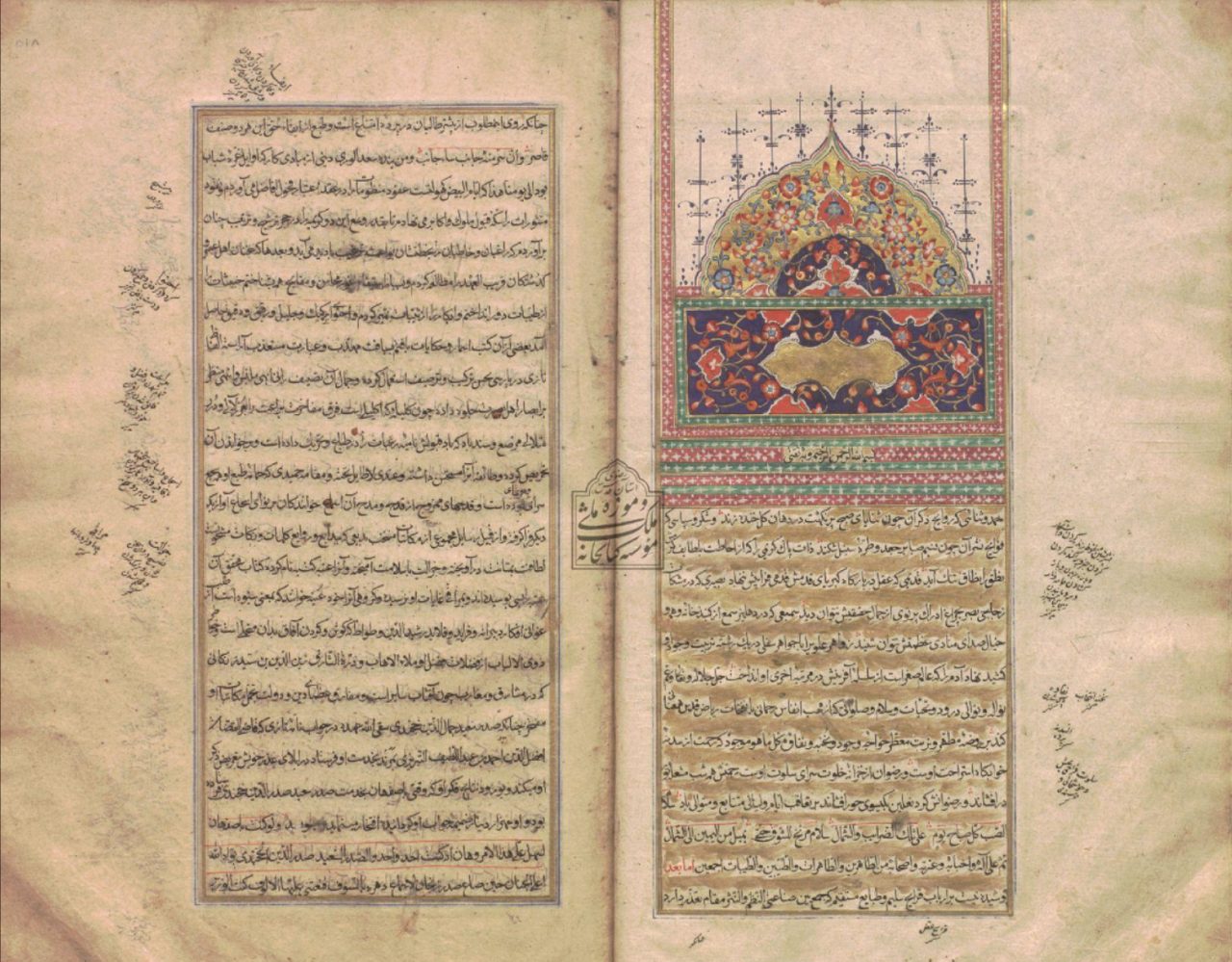
2 min read · 2 sourcesThe Marzbān-nāma (Persian: مرزباننامه, lit. 'Book of Marzban') is an early 13th-century Persian prose work. It consists of "various didactic stories and fables used as illustrations of morality and right conduct", and belongs to the "mirror for princes" literary genre. It was written in 1210–1225 by Sa'ad al-Din Varavini, under the patronage of Abu'l-Qasem Harun, the vizier of the Eldiguzid ruler (atabeg) Muzaffar al-Din Uzbek (r. 1210–1225). The Marzbān-nāma was translated fully or as an abridgement into Turkish, Arabic, French and English. K. Crewe Williams notes that the Marzbān-nāma is said to have been based upon a non-extant precursor, which was written in the vernacular of Tabaristan (a historic region in northern Iran) around the 10th century, by the Bavandid ruler Al-Marzuban (r. 979–986). As opposed to normal practice, the three illustrations found at the beginning of the earliest extant manuscript (dated 1299) were drawn before the text was written. The illustrations depict the Islamic prophet Muhammad, the author of the work and the patron. 1
Manuscripts
Older extant manuscripts of the Marzbān-nāma include (per the Encyclopedia Iranica and the Grove Encyclopedia of Islamic Art & Architecture): 1
Ms. 216 (Library of the Archaeological Museum, Istanbul), the only known manuscript with illustrations, dated 698/1299. It is the earliest known extant copy. OR 6476 (British Library, London, used in the collation of Qazvini), dated 8th/14th century, displays evidence of more than one copier. Ancien Fonds Persan 384 (Bibliothèque Nationale, Paris; also used in Qazvini’s collation), dated 9th/15th century. 1
The text above is adapted from the Wikipedia article “Marzban-nama”, available under the Creative Commons Attribution-ShareAlike 4.0 licence. 1
Marzubannama is collection of 10th-century fables in Persian, according to the structured record cited below. This entry was generated automatically from that record and has not yet been reviewed by a person familiar with the tradition. 2
The source record links this tradition to 4 external registers, which can be verified through the citation. 2