The tradition & historical record
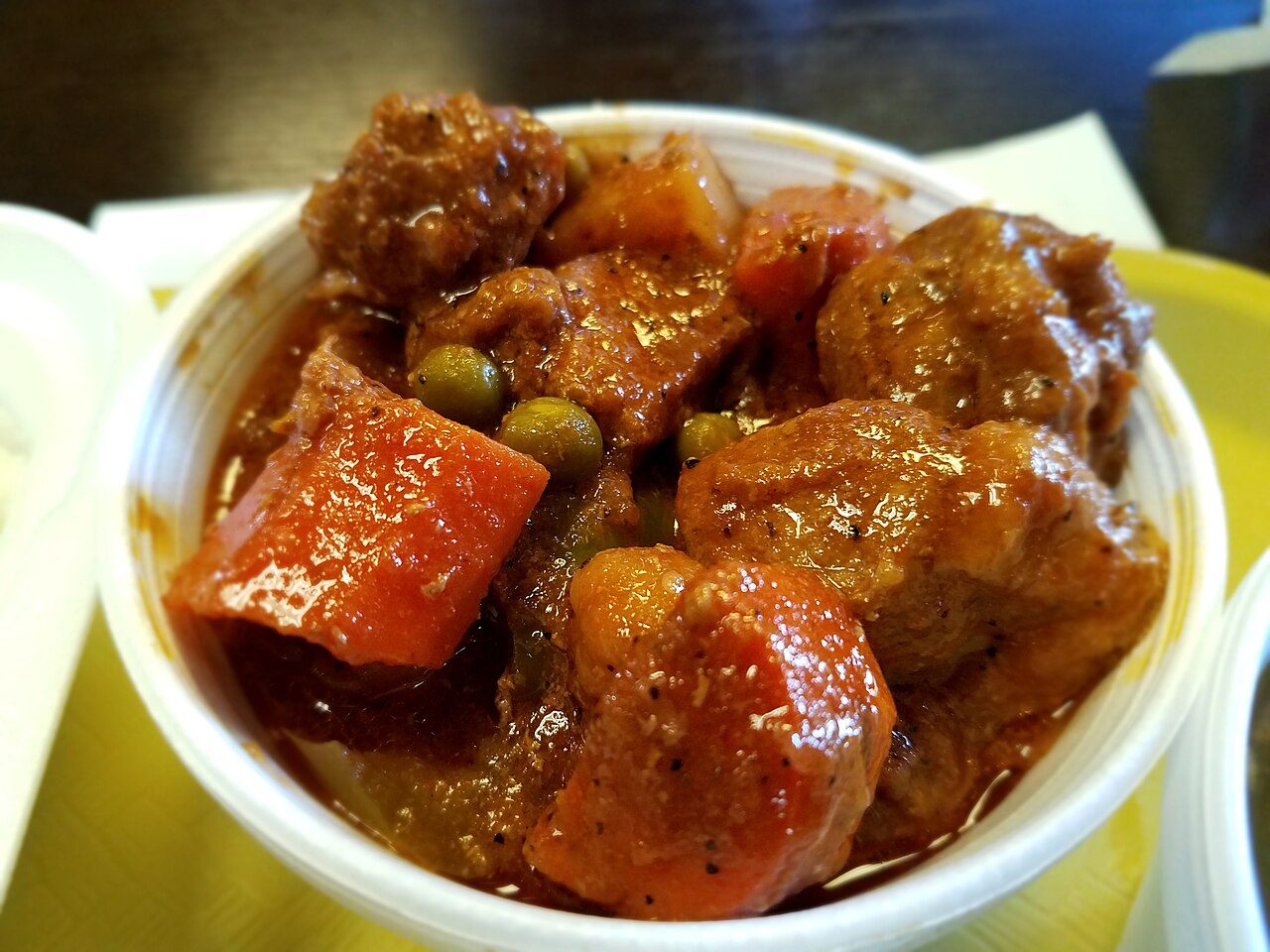
2 min read · 2 sourcesMenudo (from Spanish: "small [bits]"), also known as ginamay or ginagmay (Cebuano: "[chopped into] smaller pieces"), is a traditional stew from the Philippines made with pork and sliced liver in tomato sauce with carrots and potatoes. Unlike the Mexican dish of the same name, it does not use tripe, hominy, or red chili sauce. 1
Description
The dish is made with garlic, onions, tomatoes, pork, liver (pork or beef), diced potatoes, peas, raisins, diced carrots, green bell peppers, soy sauce, vinegar or calamansi, and tomato sauce, and seasoned with salt and pepper. It is one of the most common offerings in carinderias or karinderyas (small eateries that offer budget-friendly meals to local residents) and is also commonly served in potlucks or buffets due to the inexpensive ingredients used in the dish. 1
Waknatoy
Waknatoy, also called Marikina menudo, is a Filipino pork stew with pickles. It is a variant of the Filipino menudo stew originating from Marikina. It is made with cubed pork and pork liver with sausages (typically Chorizo de Bilbao), red and green bell peppers, tomatoes, garlic, onions, and distinctively, pickle relish, cooked in a tomato-based sauce with salt, pepper, fish sauce, and bay leaves. Waknatoy does not traditionally include other vegetables like potatoes and carrots, like menudo, but they can be included. 1
The text above is adapted from the Wikipedia article “Menudo (Filipino stew)”, available under the Creative Commons Attribution-ShareAlike 4.0 licence. 1
Menudo is Philippine stew, according to the structured record cited below. This entry was generated automatically from that record and has not yet been reviewed by a person familiar with the tradition. 2
The source record links this tradition to 1 external register, which can be verified through the citation. 2