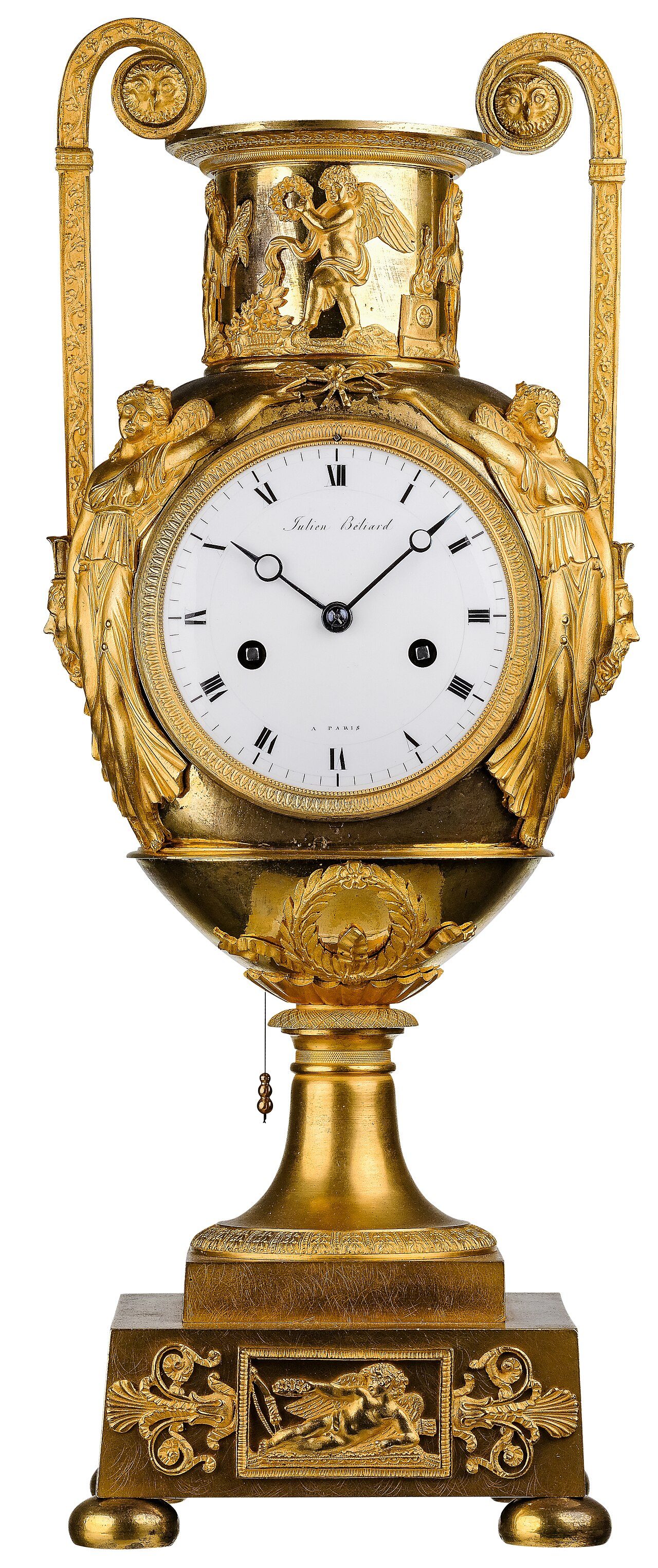
The tradition & historical record
1 min read · 2 sourcesMercury silvering or fire gilding is a silvering technique for applying a thin layer of precious metal such as silver or gold (mercury gilding) to a base metal object. The process was invented during the renaissance and is documented in Vannoccio Biringuccio's 1540 book De la pirotechnia. An amalgam of mercury and the precious metal is prepared and applied to the object which is then heated, sometimes in oil, vaporizing most of the mercury. The technique is dangerous since mercury is highly toxic, especially in its vapor phase. Mercury silvering can be detected through a variety of methods. The technique was also used in Asia, for example tokin plating in Edo-period Japan. 1
The text above is adapted from the Wikipedia article “Mercury silvering”, available under the Creative Commons Attribution-ShareAlike 4.0 licence. 1
Mercury silvering is Metalworking technique, according to the structured record cited below. This entry was generated automatically from that record and has not yet been reviewed by a person familiar with the tradition. 2
The source record links this tradition to 2 external registers, which can be verified through the citation. 2