The tradition & historical record
4 min read · 2 sourcesA national dish is a culinary dish that is strongly associated with a particular country. A dish can be considered a national dish for a variety of reasons: 1
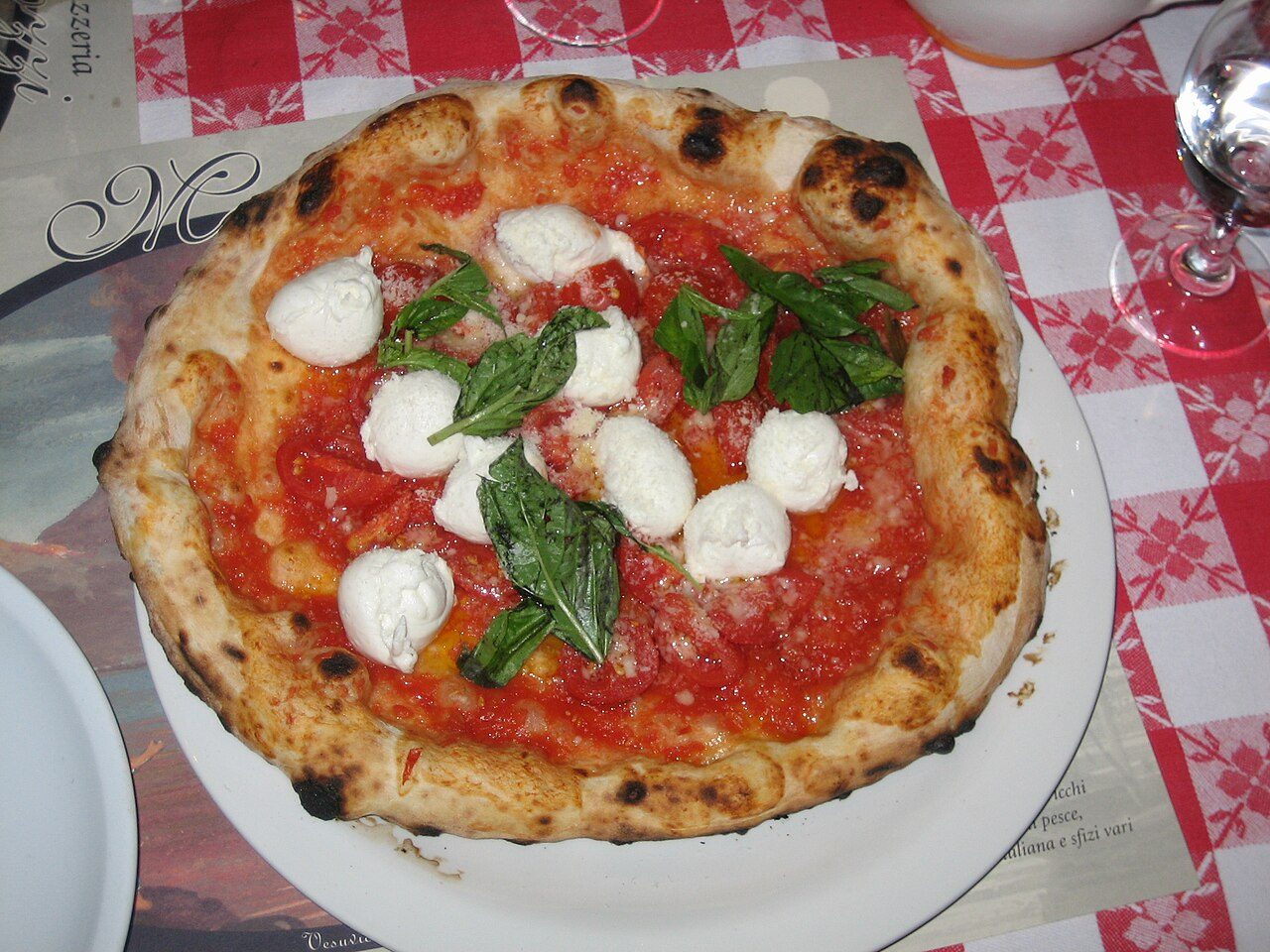
It is a staple food, made from a selection of locally available foodstuffs that can be prepared in a distinctive way, such as fruits de mer, served along the west coast of France. It contains a particular ingredient that is produced locally, such as a paprika grown in the European Pyrenees. It is served as a festive culinary tradition that forms part of a cultural heritage—for example, barbecues at summer camp or fondue at dinner parties—or as part of a religious practice, such as Korban Pesach or Iftar celebrations. It has been promoted as a national dish, by the country itself, such as the promotion of fondue as a national dish of Switzerland by the Swiss Cheese Union (Schweizerische Käseunion) in the 1930s. National dishes are part of a nation's identity and self-image. For example, pizza is considered one of the national dishes of Italy and its variants are among the most popular foods in the world. During the age of European empire-building, nations would develop a national cuisine to distinguish themselves from their rivals. Some countries such as Mexico, China or India, because of their diverse ethnic populations, cultures, and cuisines, do not have a single national dish, even unofficially. 1
By country
This is not a definitive list of national dishes, but rather a list of some foods that have been suggested to be national dishes. 1
A
Afghanistan: kabuli palaw Albania: tavë kosi, flia Algeria: couscous, rechta Andorra: escudella i carn d'olla Angola: moamba de galinha Antigua and Barbuda: fungee and pepperpot Argentina: asado, empanada, matambre, locro Armenia: khorovats, harisa (not to be confused with the North African pepper paste harissa) Aruba: Keshi yena Australia: roast lamb, meat pie, Vegemite on toast Austria: Wiener schnitzel Azerbaijan: dolma 1
B
Bahamas: crack conch with peas and rice Bahrain: kabsa Bangladesh: rice and fish (particularly ilish) Barbados: cou-cou and flying fish Belarus: draniki Belgium: frites (particularly served with mussels or steak), carbonade flamande, waterzooi, chocolate mousse, Belgian waffle Belize: rice and beans Benin: kuli-kuli Bhutan: ema datshi Bolivia: salteñas Bosnia and Herzegovina: Bosnian pot, ćevapi, burek Botswana: seswaa Brazil: feijoada, churrasco Brunei: ambuyat Bulgaria: Shopska salad, banitsa Burkina Faso: riz gras Burundi: boko boko 1
C
Cambodia: fish amok, num banhchok, samlar kako Cameroon: ndolé Canada: poutine, donair, butter tarts, Nanaimo bar, tourtière Cape Verde: cachupa Central African Republic: cassava Chad: boule Chile: empanada, pastel de choclo, marraqueta China: Peking duck, crayfish, hot pot, dumpling, malaxiangguo, dim sum, kaolengmian, tanghulu Colombia: ajiaco, bandeja paisa Comoros: Langouste a la vanille (vanilla lobster) Democratic Republic of the Congo: poulet à la moambé Republic of the Congo: poulet moambé Costa Rica: casado, chifrijo (chicharrón or deep fried seasoned pork pieces served with beans, usually red or black beans), white rice and pico de gallo (it may be served with avocado and/or corn chips), gallo pinto, olla de carne (stewed beef soup with a variety of vegetables). Croatia: zagorski štrukli, pašticada, sinjski arambaši, soparnik, rapska torta, imotska torta, rafioli, jota Cuba: ropa vieja Cyprus: souvla, kleftiko, trachanás Czech Republic: vepřo knedlo zelo (roast pork with dumplings and sauerkraut), svíčková, paštika 1
D
Denmark: stegt flæsk, smørrebrød, flæskesteg Faroe Islands: Skerpikjøt Greenland: suaasat Djibouti: skoudehkaris Dominica: mountain chicken (historical), callaloo Dominican Republic: La bandera (rice, beans and meat) 1
The text above is adapted from the Wikipedia article “National dish”, available under the Creative Commons Attribution-ShareAlike 4.0 licence. 1
national dish is culinary dish that is strongly associated with a particular country, according to the structured record cited below. This entry was generated automatically from that record and has not yet been reviewed by a person familiar with the tradition. 2
The source record links this tradition to 4 external registers, which can be verified through the citation. 2