The tradition & historical record
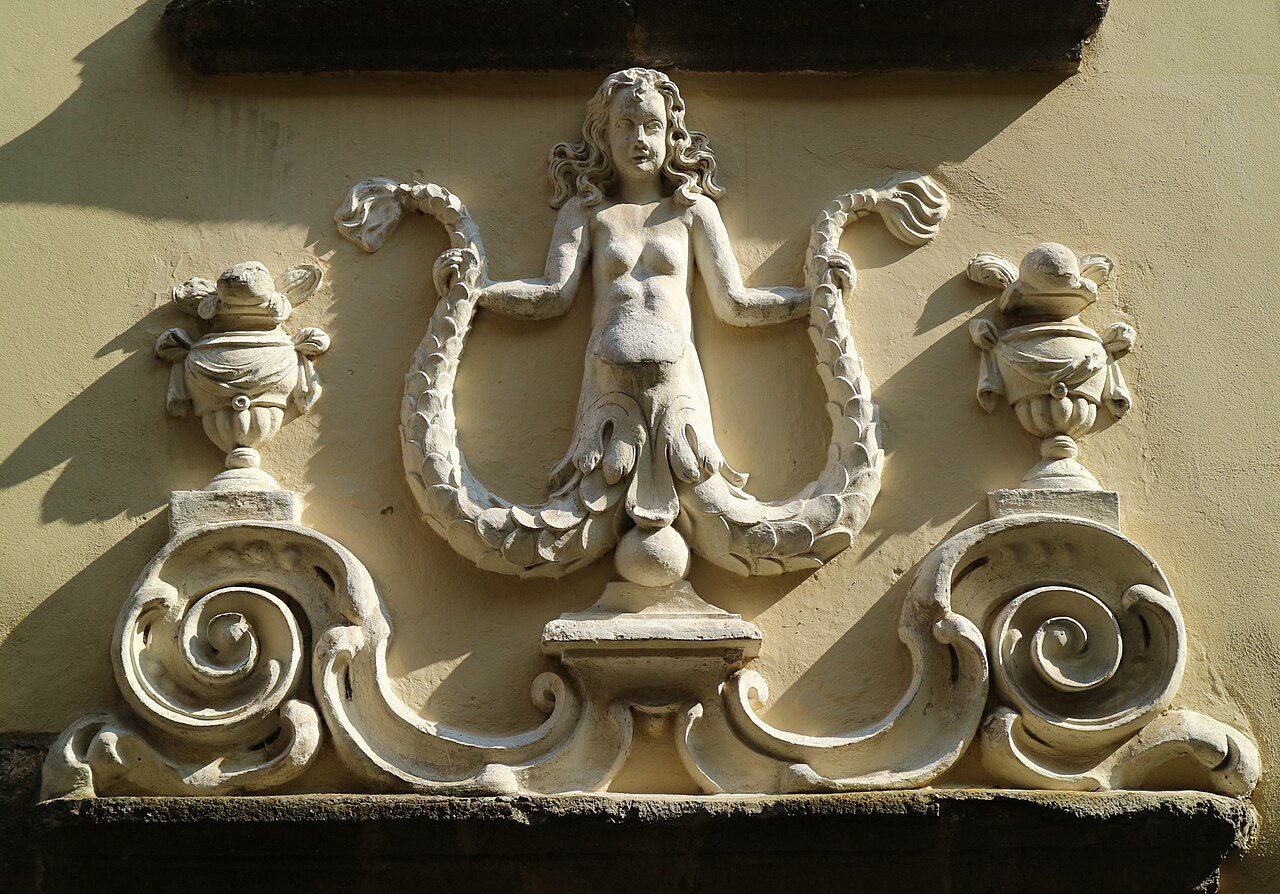
6 min read · 2 sourcesThe nixie, nixy, nix, neck, or nicker (Old English: nicor; Danish: nøkke; Dutch: nikker, nekker; Estonian: näkk; Faroese: nykur; Finnish: näkki; German: Nixe; Icelandic: nykur; Norwegian Bokmål: nøkk, nøkken; Nynorsk: nykk; Swedish: näck, näcken, French: neckre), are humanoid, and often shapeshifting, water spirits in Germanic mythology and folklore. Under a variety of names, they are common to the stories of all Germanic peoples, although they are perhaps best known from Scandinavian folklore. The related English knucker was generally depicted as a worm or dragon, although more recent versions depict the spirits in other forms. Their sex, bynames, and various transformations vary geographically. The German Nix and Scandinavian counterparts were male. The German Nixe was a female river mermaid. Similar creatures are known from other parts of Europe, such as the Melusine in France, the Xana in Asturias (Spain), and the Slavic water spirits (e.g., the Rusalka) in Slavic countries. 1
Names and etymology
The names are held to derive from Proto-Germanic *nikwus or *nikwis(i), derived from Proto-Indo-European *neigʷ ("to wash"). They are related to Sanskrit nḗnēkti, Greek νίζω nízō and νίπτω níptō, and Irish nigh (all meaning to wash or be washed). The form neck appears in English, as well as in Swedish, although spelled as näck (definite form näcken). The Swedish form is derived from Old Swedish neker, which corresponds to Old Icelandic nykr (gen. nykrs), and nykk in Norwegian Nynorsk. In Finnish, the word is näkki. In Old Danish, the form was nikke and in modern Danish and Norwegian Bokmål it is nøkke or nøkk. The Icelandic and Faroese nykur are horselike creatures. In Middle Low German, it was called necker and in Middle Dutch nicker (modern Dutch: nikker, compare also Nickel or Nikkel plus Kobolt). The Old High German form nihhus also meant "crocodile", while the Old English nicor could mean both a "water monster" like those encountered by Beowulf, and a "hippopotamus". The Norwegian Fossegrim and Swedish Strömkarlen are related figures sometimes seen as by-names for the same creature. The southern Swedish (Scanian) version can take on the form of a horse named Bäckahästen ("the brook horse"), similar to other water horses such as the Scottish kelpie and the Welsh Ceffyl Dŵr. The modern English form nixie stems from German: Nixe (feminine form of Nix), from Middle High German: nixe, from an earlier nickes, from Old High German: nicchessa (feminine form of nichus, nihhus), meaning "water-spirit, water-elf, crocodile". 1
England
English folklore contains many creatures with similar characteristics to the Nix or Näck. These include Jenny Greenteeth, the Shellycoat, the river-hag Peg Powler, the Bäckahäst-like Brag, and the Grindylow. At Lyminster, near Arundel in the English county of West Sussex, there are today said to dwell "water-wyrms" called knuckers, in a pool called the Knucker-hole. The Victorian authority Walter William Skeat had plausibly suggested the pool's name of knucker (a name attested from 1835, Horsfield) was likely derived from the Old English nicor, a creature-name found in Beowulf. 1
Nordic folklore
The Nordic nixies (Danish: nøkke, Norwegian: nøkk, Swedish: näck; Icelandic: nykur, Faroese: nykur; Finnish: näkki) are male water spirits who play enchanted songs on instruments, luring women and children to drown in lakes or streams. Such can also drown people directly by dragging them down into water (compare brunnsgubben, "the well man", from Sweden and Finland, and the Sami rávga). However, not all of these spirits were necessarily malevolent; many stories indicate at the very least that nixies were entirely harmless to their audience and attracted not only women and children but men as well with their sweet songs. Stories also exist wherein the spirit agrees to live with a human who had fallen in love with him. Still, many of these stories ended with the nixie returning to his home, usually a nearby waterfall or brook. The nixie were said to grow despondent unless they had free, regular contact with a water source. 1
The Norwegian Fossegrim or Grim, Swedish Näcken ("The Nixie") or Strömkarlen, is a related powerful figure, a powerful nature spirit, who, if properly approached, will teach a musician to play so adeptly "that the trees dance and waterfalls stop at his music". It is difficult to describe the appearance of the nix, as one of his central attributes was thought to be shapeshifting. Perhaps he did not have any true shape. He could show himself as a man playing the violin in brooks and waterfalls (though often imagined as fair and naked today, in folklore, he was more frequently described as wearing more or less elegant clothing) but also could appear to be treasure or various floating objects, or as an animal—most commonly in the form of a "brook horse" (see below). The modern Scandinavian names are derived from nykr, meaning "river horse". 1
Swedish and Finnic folklore
In Sweden, nixies (Swedish: näck) are said to be water spirits, or similar, living in lakes and streams. By some accounts, they take the shape of gnomes (Swedish: tomte), but they are also said to appear in the shape of animals, most often in black or white, such as a dog, a cat, a bull, a horse, among others (compare strömkatten, "the stream cat"; see the brook horse). It can also take the shape of inanimate objects, like any floating object or treasure. A trait shared with other folk beliefs is that the animal forms sometimes appears with three legs. 1
Beyond minor or regional spirits, there is also a major collective nature spirit known as Näcken ("The Nixie"), or Strömkarlen ("The Stream Man"), among others (in Norway Fossegrim), appearing as a slender young or old undressed man, the latter bearded, sitting on a rock near water, masterfully playing an instrument to lure people, especially women, to and into water. He can play many instruments, with the instrument varying, such as a horn, a flute, a harmonica, etc, but most commonly a violin or similar. The hair color varies but is often said to be green, or rather made of foliage, with other hair colors worth mentioning being red. The Nixie is both powerful and dangerous in its abilities, bordering on being a quasi-deity. Even in shallow water, it can lock peoples' footing in place. Other names include: bäckamannen ("the brook man"), dammapågen ("the dam boy"), trasken, nixen, ellen, neken" forskarlen ("the rapid man"), gölamannen ("the pool man"), kvarngubbe ("watermill man"), kvarnrå ("watermill rå"), strömkatten ("the stream cat"), älven ("the river") etc. To protect oneself against the powers of Näcken, it is said that one must stick a knife in the ground before entering the water to swim. 1
The brook horse
One of the more infamous shapes, in which the Nordic nixie appears in, is "the brook horse" (Swedish: bäckahästen, åhästen), also simply referred to as nixie (especially Faroese: nykur). 1
The text above is adapted from the Wikipedia article “Nixie (folklore)”, available under the Creative Commons Attribution-ShareAlike 4.0 licence. 1
Neck is water sprite from European mythology, according to the structured record cited below. This entry was generated automatically from that record and has not yet been reviewed by a person familiar with the tradition. 2
The source record links this tradition to 5 external registers, which can be verified through the citation. 2