The tradition & historical record
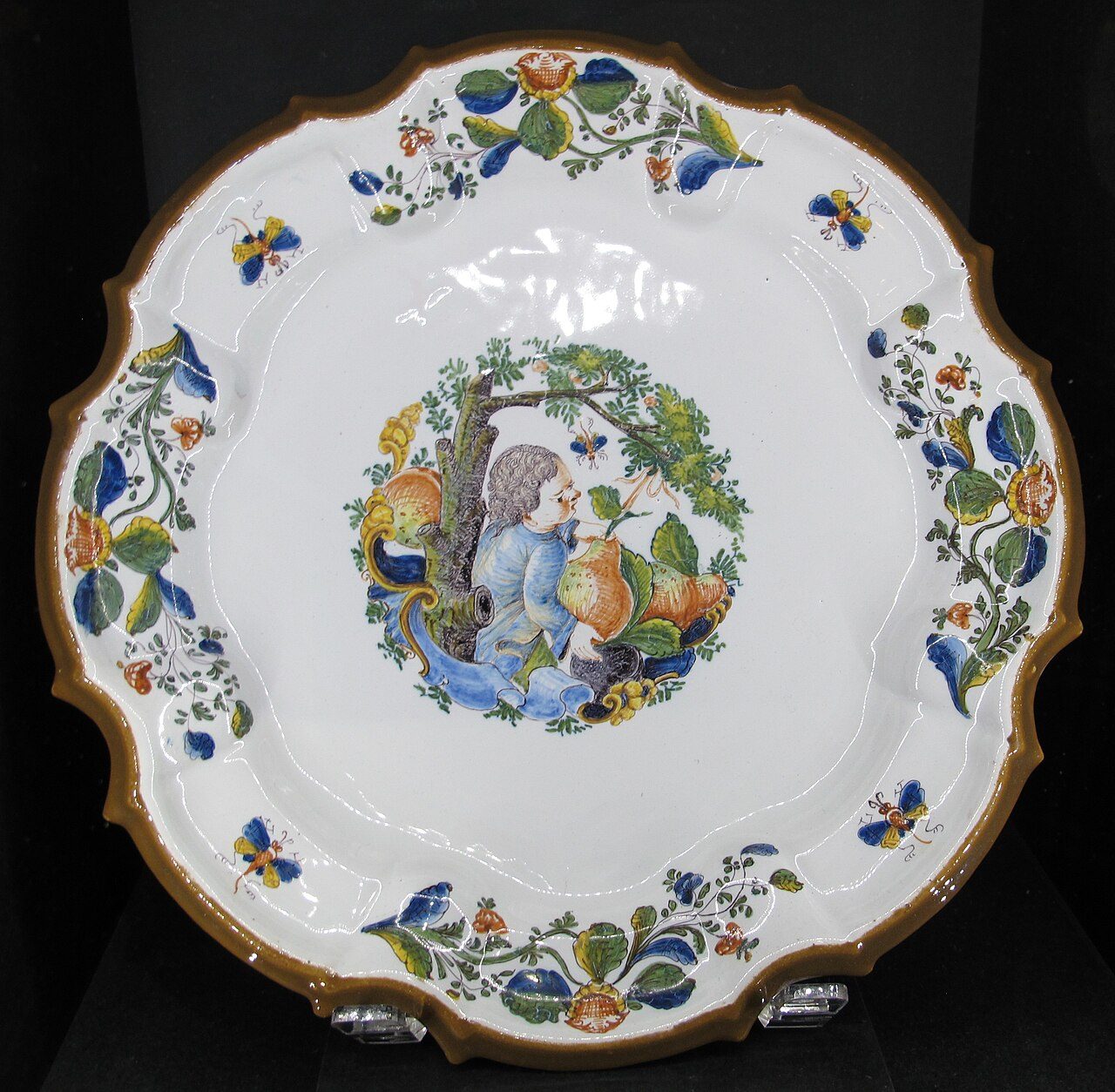
1 min read · 2 sourcesNove Ware is a type of maiolica, or tin-glazed earthenware. It was made in Nove, Italy, in the 18th century, mainly in a factory founded by Giovanni Battista Antonibon in 1728. Near the end of the 18th century the factory became associated with another factory, in nearby Bassano, where majolica was produced in the 16th century. Nove ware was fashioned in the Rococo style common in the 18th century, with an emphasis on light, decorative works that conformed to a sense of stylistic elegance, as opposed to the ebullient style of the baroque. 1
The text above is adapted from the Wikipedia article “Nove Ware”, available under the Creative Commons Attribution-ShareAlike 4.0 licence. 1
Nove Ware is recorded in open cultural data. The structured record cited below does not describe the practice, and this entry has not yet been reviewed by a person familiar with the tradition. 2
The source record links this tradition to 2 external registers, which can be verified through the citation. 2